










How to Grow Mammoth Sunflowers: A Complete Gardening Guide
Introduction to Mammoth Sunflowers
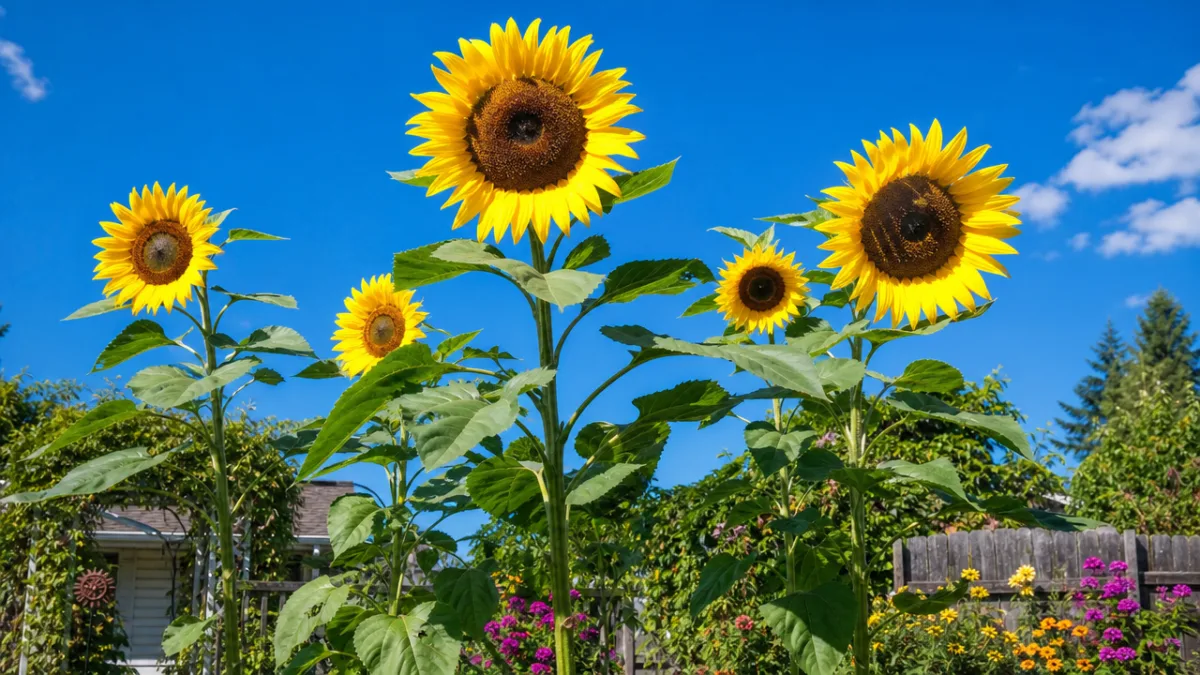
If you’ve never grown mammoth sunflowers — scientifically Helianthus annuus ‘Mammoth’ — you’re in for a treat. These things are genuinely enormous. We’re talking 9 to 12 feet tall, with flower heads stretching anywhere from 12 to 24 inches across. Plant a row of them and your neighbors will slow down to stare. The best part? You don’t need to be an experienced gardener to pull it off. Growing mammoth sunflowers is one of those rare projects that’s both beginner-friendly and deeply satisfying, the kind of thing that reminds you why gardening is worth doing in the first place.
And they’re more useful than they look, too. Those massive seed heads become a buffet for birds and squirrels come autumn, which is great if you enjoy watching wildlife in your garden. The seeds are edible for people as well — roast them with a little salt and you’ve got a genuinely good snack straight from your own backyard. So beyond the wow factor, these plants earn their space by giving something back to the garden ecosystem around them.
This guide covers everything you need to know, from picking the right seeds and getting your soil ready, all the way through pest management, staking tall stalks, and harvesting at just the right moment. Whether you’re working with a big backyard or a modest plot, these steps will get you there. By the end, you won’t just know what to do — you’ll understand why each step matters, which makes the whole process a lot more intuitive.
Choosing the Right Seeds and Location
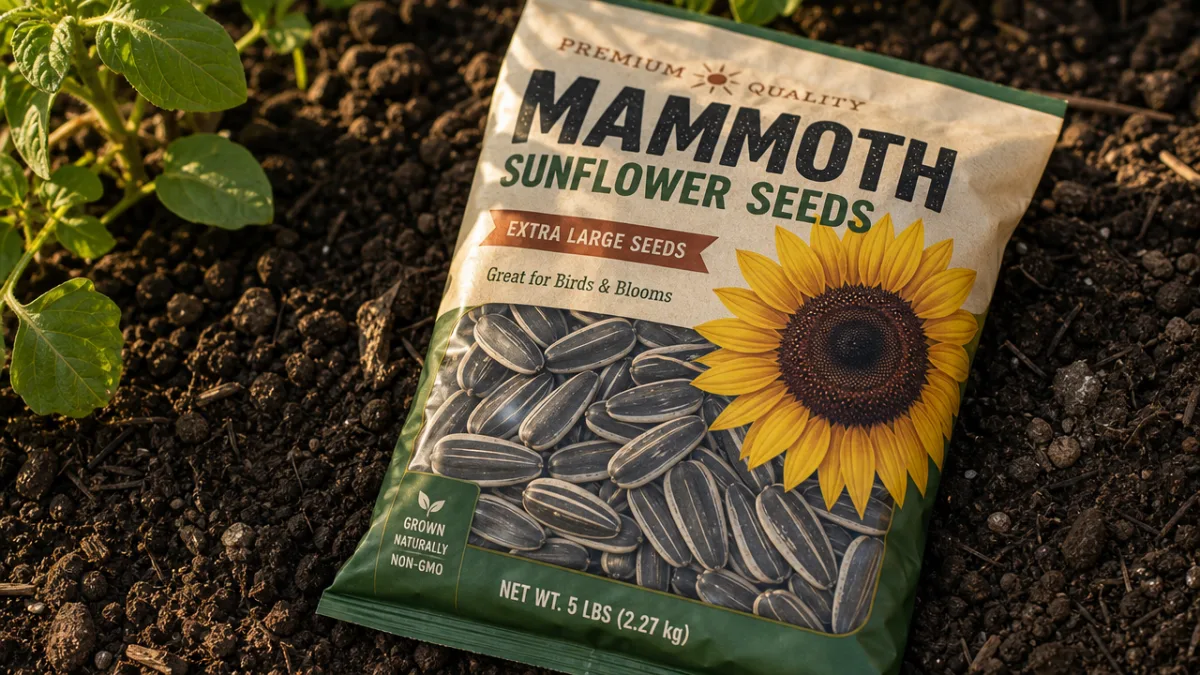
Start with the right seeds and you’re already halfway there. Look for packets labeled ‘Mammoth,’ ‘Russian Mammoth,’ or ‘Giant Sunflower’ — these varieties are specifically bred for height and big seed production. You can find them at garden centers or order them online pretty easily. When you’re buying, check the packet for germination rate and try to use seeds no more than two or three years old. Fresh seeds germinate faster and more reliably, and that strong early start matters more than most people realize.
Location is just as important as the seeds themselves. Mammoth sunflowers need room and they need light — ideally six to eight hours of direct sun per day, with a southern or western exposure working best. Young plants are heliotropic, meaning the stems actually follow the sun across the sky during the day, so unobstructed morning and afternoon light really does make a difference in how they grow. Steer clear of spots that are shaded by trees, buildings, or tall fences during peak daylight hours.
Wind is something a lot of gardeners don’t think about until it’s too late. Once a mammoth sunflower reaches full height with a heavy head on top, a strong gust can snap the stalk or knock the whole plant over. Planting along a fence line, beside a garden wall, or in a naturally sheltered corner helps a lot. That said, you don’t want a completely closed-in spot either — decent airflow around the plants keeps fungal diseases from taking hold. The sweet spot is somewhere that buffers wind without cutting off air circulation entirely.
Soil Preparation and Planting Techniques
Mammoth sunflowers aren’t fussy about soil, but they do their best in loose, well-draining ground with a pH somewhere between 6.0 and 7.5. Before you plant, take the time to really prepare the bed. Loosen the top 12 to 18 inches with a garden fork or tiller and clear out any stones, roots, or compacted clumps. That deep loosening gives the roots somewhere to go — and these plants develop serious root systems to anchor a stem that can end up ten feet tall and weigh several pounds. It also keeps drainage good, which is key to avoiding root rot.
Mixing in organic matter before planting makes a noticeable difference in how big and healthy your sunflowers end up. Work aged compost, well-rotted manure, or a balanced slow-release fertilizer into the top six inches of soil. Compost does double duty — it adds nutrients and improves the soil structure at the same time. If your soil is very sandy, it’ll help hold moisture; if it’s heavy clay, it’ll improve drainage. A cheap soil test kit from a garden center can show you exactly what your soil is missing so you can target your amendments more precisely.
When it comes to planting, direct sowing is the way to go. Mammoth sunflowers develop long taproots that really don’t like being moved, so starting them in pots and transplanting usually ends in disappointment. Wait until after your last frost date and until soil temperatures are at least 50°F — 70°F is even better for quick germination. Plant seeds about an inch deep, spacing them 18 to 24 inches apart in rows about 30 inches apart. If you want insurance, drop two or three seeds per spot and thin down to the strongest seedling once they hit three or four inches tall. Water gently after sowing to settle the soil, and then wait — sprouts usually show up within a week or two.
Watering, Feeding, and General Care
Once your seedlings are up — usually seven to fourteen days after planting — watering becomes your main job. Young plants need consistent moisture to support how fast they grow in those early weeks, but overwatering is a real problem too. A good rule of thumb is to water deeply once or twice a week, always at the base of the plant rather than overhead. Keeping the foliage dry cuts down on disease risk, and deep watering pushes roots to grow downward, which means a stronger, more drought-tolerant plant as the season goes on. Not sure if it’s time to water? Stick your finger two inches into the soil — if it’s dry that far down, go ahead and water.
Fertilizing these plants is worth doing thoughtfully. Early in the season, when the plant is all stem and leaves, a nitrogen-rich fertilizer supports that rapid upward growth. Once flower buds start forming, switch to something with lower nitrogen and higher phosphorus and potassium — this supports the bloom and seed development rather than pushing more leaves. Too much nitrogen at the flowering stage can actually work against you, giving you a lush, leafy plant with disappointing flowers. A side dressing of compost around the base every four to six weeks is an easy, gentle way to keep nutrients topped up throughout the whole season.
As your plants get taller, staking becomes part of the routine. Around three feet of height, push a sturdy wooden or metal stake into the ground beside each stem and loosely tie the stem to it using soft garden twine in a figure-eight pattern — this keeps the twine from cutting into the stalk as the plant grows. Check those ties regularly and adjust as needed. It’s also worth putting down a two to three inch layer of straw or wood chip mulch around the base of each plant. It holds moisture in, keeps weeds down, and helps even out soil temperature during summer heat. It’s one of those small things that pays off more than you’d expect.
Managing Pests and Diseases
Mammoth sunflowers are pretty tough, but they’re not bulletproof. Aphids are probably the most common pest you’ll run into — they cluster on tender new growth and the undersides of leaves, draining sap and gradually weakening the plant. A strong blast from the garden hose will knock most of them off, and if you can attract ladybugs and lacewings to your garden, they’ll help keep aphid populations in check naturally. For stubborn infestations, diluted insecticidal soap sprayed in the early morning works well without harming the bees and other pollinators visiting your flowers.
Cutworms and caterpillars are another thing to watch for, especially with young seedlings. They do their damage at night, cutting through stems right at or just below the soil surface — you’ll come out in the morning to find a seedling flopped over for no obvious reason. A simple cardboard collar pushed about an inch into the soil around each seedling blocks them effectively. Slugs and snails can also chew through seedlings and lower leaves, particularly after wet weather. Sprinkling coarse diatomaceous earth in a ring around each plant keeps them at bay without any chemicals. And honestly, a quick flashlight check after dark lets you spot and remove slugs and caterpillars by hand before they do real damage.
On the disease side, the most common problems are downy mildew, powdery mildew, and fungal stem rots — and nearly all of them trace back to overcrowding, overhead watering, or poor airflow. Give your plants enough space, water at the base, and don’t work in the bed when everything’s wet. If you spot powdery mildew (it looks like a white chalky dusting on the leaves), pull off the affected leaves right away and treat with a diluted baking soda and water solution as an organic remedy. And make a note of where you’re planting this year, because rotating sunflowers to a different spot next season keeps soil-borne pathogens from building up over time.
Harvesting Seeds and End-of-Season Care
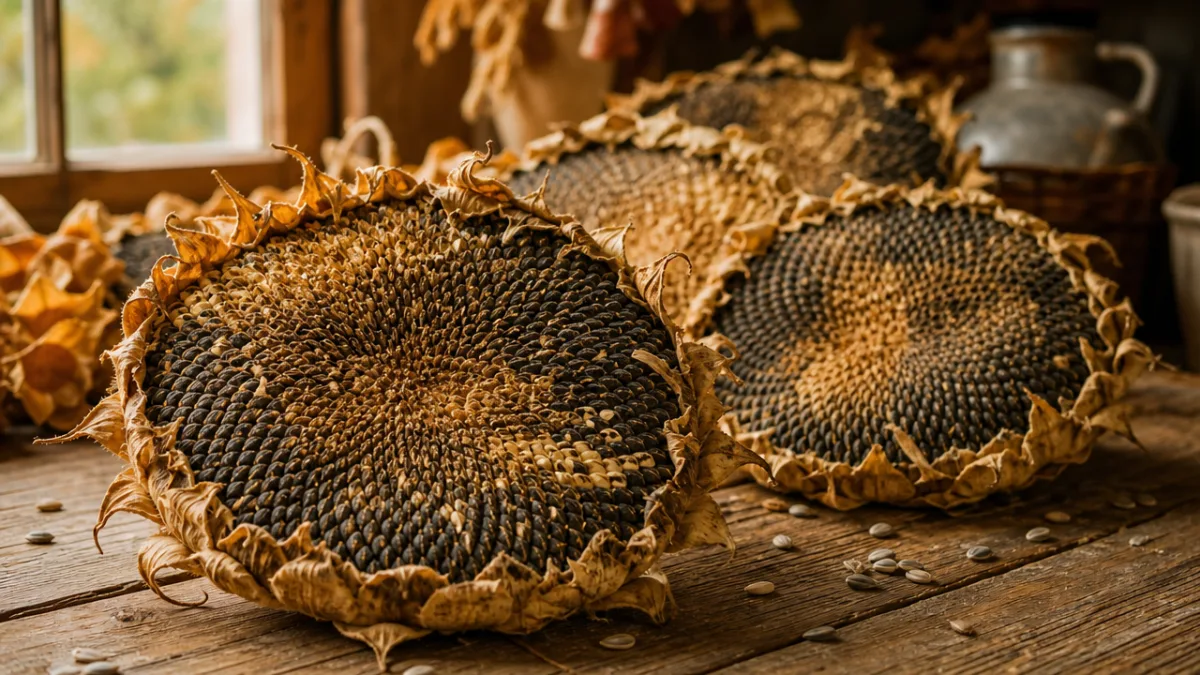
Harvesting at the right moment is one of those skills that’s really satisfying once you get the hang of it. The seeds are ready when the back of the flower head has gone from green to yellow to brown, the petals have dried up and fallen off, and the seeds look plump and fully formed with their striped pattern clearly showing. The head itself will start drooping under its own weight. Resist the urge to harvest early — seeds picked too soon won’t store well and may not germinate reliably next year.
When it’s time, cut the flower head off with clean pruning shears, leaving about twelve inches of stem attached. Hang the heads upside down somewhere dry and well-ventilated — a shed, garage, or covered porch works great — for another two to three weeks to finish drying. Once they’re fully cured, rub the head over a clean bucket or tray and the seeds will come right out. Spread them in a single layer and let them air dry for a few more days, then store them in an airtight container in a cool, dark spot. Stored that way, they’ll stay viable for up to three years.
It’s tempting to call it done once the seeds are collected, but end-of-season cleanup really does set you up for a better garden next year. Cut the stalks down to ground level and compost the plant material if it was healthy, or bag it for yard waste if you had disease problems during the season. Lightly turn the soil in the old sunflower bed and work in a fresh layer of compost to replace what the plants used up. And jot down where this year’s bed was so you remember to plant elsewhere next season. It only takes a few minutes, but it makes a real difference when spring rolls around.
Tips for Maximizing Height and Bloom Size
Every mammoth sunflower grower eventually wants to know: how do I get mine to grow even taller? The honest answer is that it comes down to a combination of good genetics, rich soil, consistent watering, and a few deliberate choices early in the season. Start with quality seeds from a source you trust — genetics really is the biggest single factor in how tall a plant gets. Then thin your seedlings without hesitation, leaving only the single strongest plant per spot. It feels a little ruthless, but when one plant gets all the nutrients, moisture, and space instead of sharing with two or three competitors, the difference in final height can be several feet.
Deep, infrequent watering — rather than light, frequent watering — is another technique that experienced growers swear by. When you water deeply enough to soak the soil twelve inches or more down, roots chase that moisture downward and build an extensive underground system that can tap into a much larger reservoir of water and nutrients. That deep root architecture is what supports serious top growth and keeps the plant standing through hot, dry stretches. Pair that with a fertilization schedule that starts nitrogen-heavy and shifts toward phosphorus and potassium as flowers form, and you’re giving the plant exactly what it needs at each stage of its life.
A couple of finishing touches can push your results from good to genuinely impressive. Removing side shoots as they appear — a technique called disbudding — stops the plant from dividing its energy into multiple smaller blooms and directs everything into that one central flower head. It’s what competitive growers do when they’re trying to win at the county fair, and it really works. Adding a diluted liquid seaweed fertilizer as a foliar spray every couple of weeks provides trace minerals that support healthy cell growth and help the plant fight off stress. Put these pieces together and your mammoth sunflowers will keep getting better season after season.
- Start with fresh, high-quality ‘Russian Mammoth’ or ‘Mammoth’ variety seeds from a reputable supplier.
- Select a location with a minimum of six to eight hours of full direct sunlight daily.
- Prepare soil to a depth of 12 to 18 inches with generous compost amendments before planting.
- Sow seeds directly in the ground after the last frost when soil is at least 50°F.
- Thin seedlings to one plant per station once they reach three to four inches in height.
- Water deeply and infrequently, targeting the base of the plant rather than overhead.
- Stake plants when they reach three feet tall and adjust ties regularly as they grow.
- Fertilize with nitrogen early in the season, transitioning to phosphorus and potassium near flowering.
- Remove lateral side shoots to direct energy toward the single central flower head.
- Harvest seeds when the back of the flower head turns fully brown and petals have dropped.
- Dry harvested seed heads for two to three weeks in a ventilated space before extracting seeds.
- Practice crop rotation each year to reduce soil-borne disease buildup in the planting area.








What do you think?
It is nice to know your opinion. Leave a comment.