










35 Medicinal Herbs to Grow in Your Garden This Summer and How They Heal
Why Growing Medicinal Herbs at Home Matters More Than Ever
Honestly, there’s never been a better time to take a little piece of your health into your own hands by growing a medicinal herb garden. More and more people — whether they have a sprawling backyard or a few pots on a balcony — are figuring out that a handful of the right plants can essentially function as a living medicine cabinet. And this isn’t some new trend. People have known how to use plants to heal for thousands of years, across every culture imaginable, and that knowledge is just as useful today as it ever was.
What’s exciting is that modern science is starting to catch up with what traditional healers already knew. Herbs like echinacea, valerian, and turmeric aren’t just folk remedies anymore — their medicinal properties are showing up in peer-reviewed research. And when you grow these plants yourself, you’re getting fresh, potent material that’s often far more effective than the dried or heavily processed stuff sitting on a store shelf.
There’s also something wonderfully practical about having medicinal herbs right outside your door. A headache hits at midnight, a kid scrapes their knee, or a summer cold starts creeping in — and instead of scrambling for a remedy, you just step outside and grab what you need. Your garden stops being just a pretty space and starts being a genuine part of how you take care of yourself and your family. Start planting this summer, and you’ll be laying the groundwork for a practice that connects you to nature, to centuries of healing wisdom, and to your own health in a really meaningful way.
Top Healing Herbs for Everyday Ailments
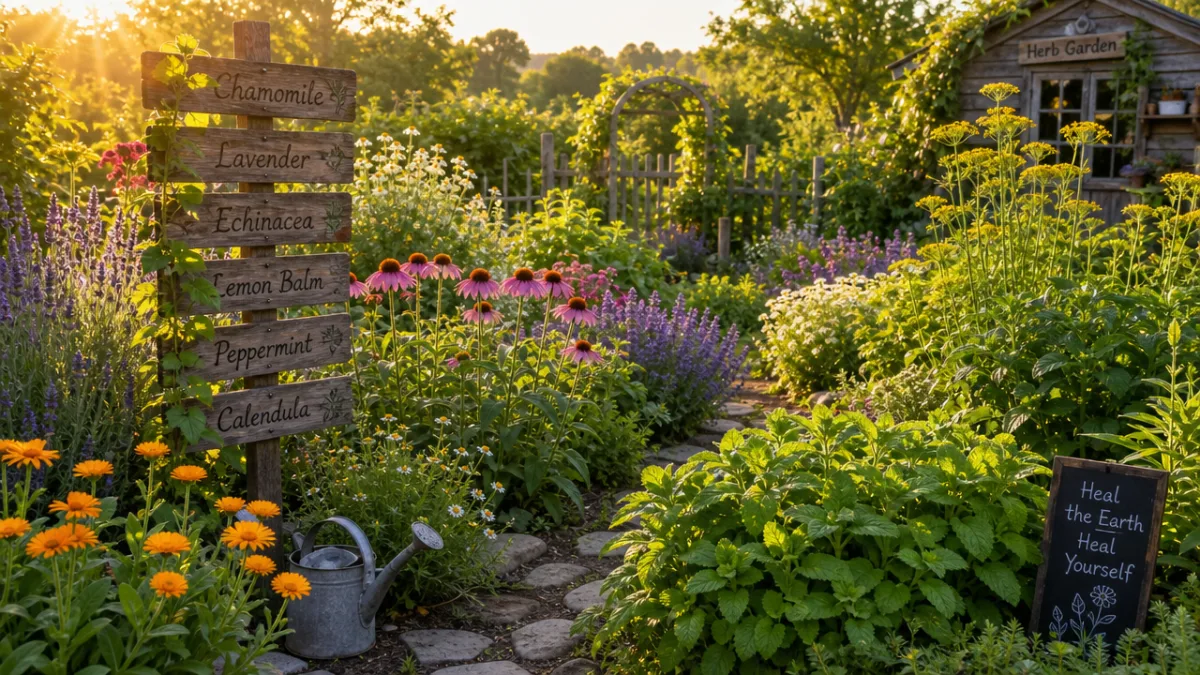
Some herbs earn a permanent spot in every medicinal garden simply because they’re so versatile. Lavender is a perfect example — it’s one of the most well-researched aromatic herbs out there, and for good reason. Studies have shown it can ease anxiety, improve sleep, knock out headaches, and even speed up healing on minor burns and bug bites. It loves full sun and well-drained soil, asks almost nothing of you once it’s settled in, and is forgiving enough for complete beginners.
Peppermint is another one you really don’t want to skip. The menthol in its leaves works as a natural muscle relaxant and pain reliever, which is why peppermint tea is such a go-to for tension headaches, nausea, indigestion, and those miserable IBS flare-ups. Fair warning, though — peppermint spreads aggressively through underground runners, so tuck it into a container or raised bed unless you want it colonizing half your garden. Fresh leaves are wonderful steeped into tea, tossed into a smoothie, or used in a steam inhalation when you’re congested.
And then there’s chamomile, with its cheerful little daisy flowers, which might just be the most beloved medicinal herb of all. German chamomile contains a compound called apigenin that binds to the same brain receptors associated with relaxation and sleep — which explains why that bedtime cup of chamomile tea actually works, and not just in a placebo sort of way. Clinical trials back it up. Beyond sleep, chamomile is a solid anti-inflammatory herb that calms skin irritations, eases menstrual cramps, and settles an upset stomach. It grows easily from seed and blooms generously all summer long.
Immune-Boosting Herbs You Should Plant Right Now
If you’re serious about supporting your immune system through your garden, echinacea is the obvious starting point. Native to North America, this beautiful flowering plant has been used by Indigenous healers for centuries to fight infections, treat wounds, and even handle snake bites. Modern research has confirmed that it genuinely stimulates white blood cell production and activates multiple parts of the immune system. Catch a cold or flu coming on and start taking echinacea early — multiple studies show it can meaningfully shorten how long you’re sick and how bad it gets.
Elderberry (Sambucus nigra) deserves just as much love. The dark purple berries are loaded with anthocyanins and antioxidants that have shown real antiviral activity against influenza in lab studies, which is part of why elderberry syrup has become so popular. Making your own from garden-grown berries means you know exactly what’s in it and you’re getting it at peak freshness. The plant itself is a showstopper — it grows into a substantial shrub or small tree, puts out gorgeous clusters of creamy white flowers in early summer, and then rewards you with berries by late summer or early fall.
Astragalus is less of a household name, but if you’re into Traditional Chinese Medicine or just want to dig into some genuinely impressive research, it’s worth getting to know. TCM practitioners have used it for centuries to strengthen what they call “wei qi” — essentially the body’s protective energy. Modern immunologists have found real compounds in astragalus root, including polysaccharides and saponins, that stimulate immune cell activity and may even help regulate an overactive immune response. It’s a perennial legume that actually improves your soil by fixing nitrogen, grows well in a sunny, well-drained bed, and has roots worth harvesting after a couple of years for teas or tinctures.
Herbs That Support Mental Health and Nervous System Function
The relationship between herbs and mental wellness runs deep, and the research is more solid than a lot of people realize. Ashwagandha has become a major player in Western wellness culture, and it’s earned it — clinical trials have shown it can significantly lower cortisol levels, improve sleep quality, and make people genuinely feel less stressed and anxious. It comes from Ayurvedic tradition and grows as a woody shrub in warm climates; in cooler regions, you can treat it as an annual and harvest the roots at the end of summer.
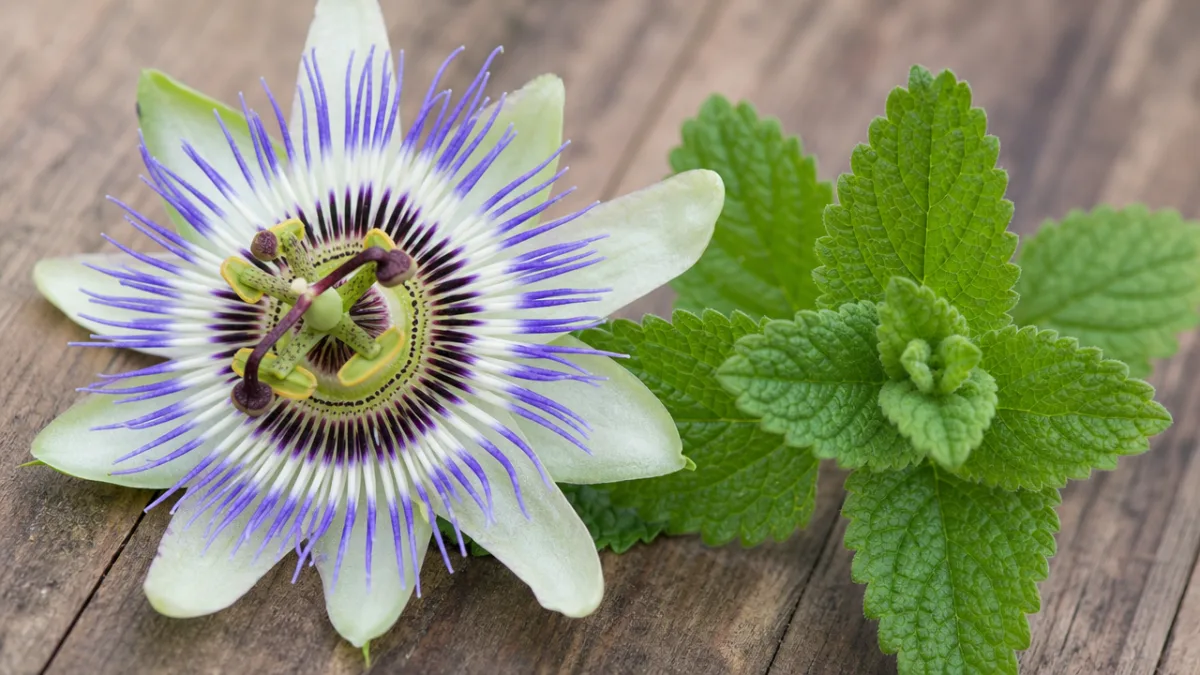
Lemon balm (Melissa officinalis) is one of those herbs that feels gentle but quietly does a lot. It belongs to the mint family, has a soft citrusy scent that’s calming just to be around, and its active compounds — rosmarinic acid and various flavonoids — have real anxiolytic and mood-lifting effects backed by clinical research. It’s easy to grow, happy in partial shade, and works beautifully fresh or dried in teas and tinctures. It’s especially good for people who tend to get anxious stomachs, since it soothes both the nervous system and the digestive tract at the same time.
Passionflower might be the most visually dramatic plant in this whole list — the flowers look almost alien, like something out of a botanical illustration — but what it does for the nervous system is just as impressive. Clinical studies have found it works as well as some pharmaceutical anti-anxiety medications for generalized anxiety disorder, with far fewer side effects. It does this mainly by boosting GABA, the neurotransmitter that essentially helps your brain quiet down when it’s in overdrive. The flowers, leaves, and tendrils are all harvested during bloom and make excellent teas and tinctures for anxiety, sleeplessness, and nervous tension.
- Valerian root — deeply sedative, best for insomnia and physical tension; harvest roots in the second year
- Skullcap — cooling nervine for overthinking and nervous exhaustion; use fresh aerial parts in tincture form
- Holy basil (tulsi) — adaptogenic and uplifting, supports stress resilience and mental clarity
- St. John’s Wort — well-researched for mild to moderate depression; harvest buds when they bleed red oil
- California poppy — gentle relaxant and pain reliever; safe for children; harvest whole aerial parts in bloom
Digestive and Anti-Inflammatory Herbs for Gut Health
We’ve learned a lot in recent years about how central gut health is to overall wellbeing, and medicinal herbs offer some of the gentlest, most effective tools available for keeping your digestive system happy. Fennel is a great one to start with — the seeds, leaves, and roots all have carminative properties, meaning they help move gas along, reduce bloating, and relax the smooth muscle spasms that cause cramping. A simple fennel seed tea after a big meal can head off discomfort before it starts. And as a bonus, fennel is a beautiful, architectural plant that earns its space in the garden even when you’re not using it medicinally.
Turmeric, with those vivid orange rhizomes, contains curcumin — one of the most intensively studied natural anti-inflammatory compounds we know of. Chronic inflammation is at the root of so many modern health problems, from arthritis and heart disease to type 2 diabetes and certain cancers. Curcumin has been shown to inhibit the same inflammatory pathways that ibuprofen targets, but without the digestive side effects that come with long-term NSAID use. Turmeric is a tropical plant, but you can grow it as a summer annual in temperate climates by planting rhizomes in spring and harvesting before frost hits.
Marshmallow root (Althaea officinalis) is one of those herbs that might not get a lot of press, but once you try it for anything involving irritated or inflamed tissue, you’ll understand why traditional herbalists relied on it so heavily. The root is packed with mucilaginous polysaccharides that coat and protect irritated mucous membranes — which makes it genuinely helpful for things like gastritis, acid reflux, leaky gut, urinary tract infections, and dry coughs. Interestingly, cold-water infusions pull out the mucilage better than hot ones, so this is one of the few herbal preparations where you skip the kettle. The plant itself grows four to five feet tall and blooms with pale pink flowers all summer — it’s as pretty as it is useful.
Wound-Healing and Skin-Supporting Herbs
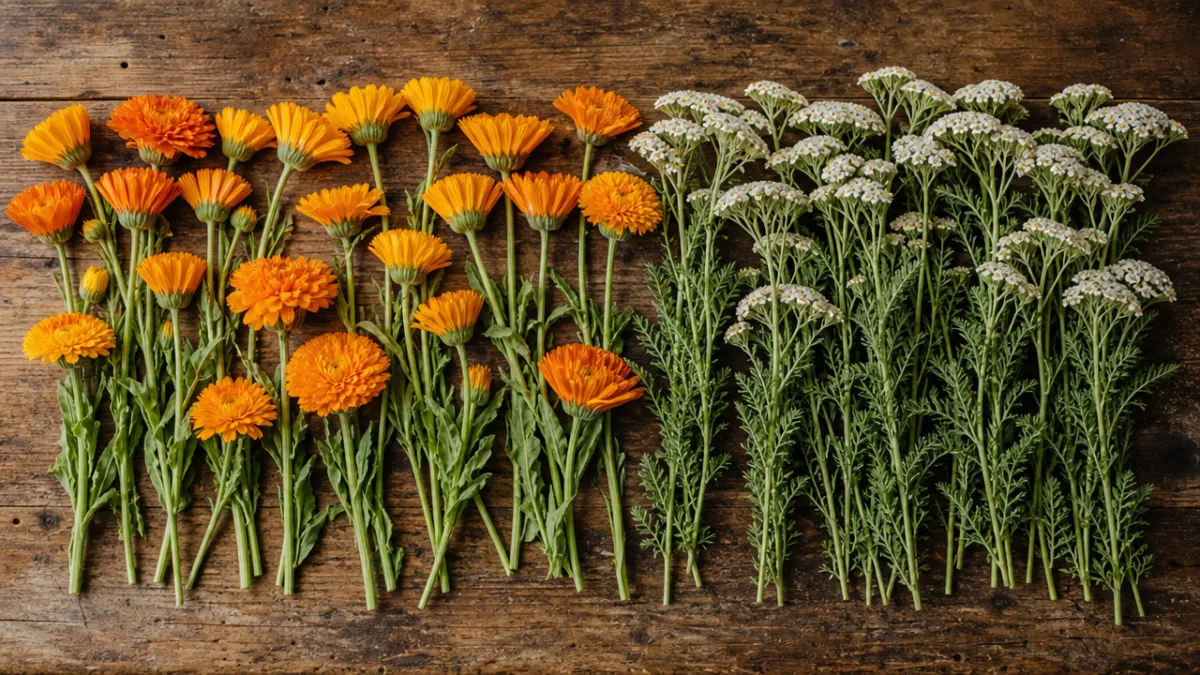
Herbs have been healing skin — from small cuts and burns to stubborn chronic conditions — for about as long as humans have been paying attention to plants. Calendula (Calendula officinalis) is probably the single most useful topical herb you can grow. Those bold orange and yellow flowers contain flavonoids and triterpene saponins that fight inflammation, kill bacteria and fungi, encourage tissue regeneration, and speed up wound healing. Infused into oil and made into a salve, calendula works beautifully on cuts, burns, eczema, diaper rash, dry cracked skin, and even post-surgical wound care.
Plantain — not the banana-like fruit, but the humble lawn weed Plantago major or Plantago lanceolata — is quietly one of the most powerful healing herbs out there, and there’s a good chance it’s already growing in your yard right now. Its leaves contain allantoin, which promotes cell growth and wound healing, plus a potent anti-inflammatory compound called aucubin. If you crush a fresh plantain leaf and press it onto a bee sting or insect bite, the pain and swelling often ease up within minutes. Plantain poultices and salves are also genuinely helpful for chronic skin issues like psoriasis, rosacea, and eczema.
Comfrey has a bit of a complicated reputation, but it’s worth understanding what it can and can’t do. Its leaves and roots contain very high concentrations of allantoin, making it one of the fastest-acting wound-healing plants known — traditional herbalists called it “knitbone” because it was used to speed the healing of fractures, sprains, and bruises. Modern research confirms it works topically, though internal use is now generally discouraged because of compounds called pyrrolizidine alkaloids that can put a strain on the liver over time. As a poultice, compress, or infused oil used externally, though, comfrey is an incredibly powerful tool to have in a garden-based herbal practice.
- Aloe vera — immediate relief for burns, sunburn, and skin irritation; apply fresh gel directly
- Yarrow — styptic herb that stops bleeding rapidly; use crushed fresh leaves on wounds
- Thyme — powerful antimicrobial for infected skin and respiratory infections
- Rosemary — improves circulation, stimulates hair growth, and acts as an antioxidant protectant
- Oregano — contains carvacrol, one of the strongest natural antimicrobials known
- Sage — astringent and antimicrobial; gargle for sore throat; compress for bruising
- Basil — anti-inflammatory and antimicrobial; effective topical for insect bites and minor cuts
Getting Started: Planting and Harvesting Tips for Maximum Healing Potency
Here’s something that a lot of people don’t realize when they first start growing medicinal herbs: when you harvest matters just as much as what you grow. Plants produce their highest concentrations of active compounds at very specific points in their life cycle. Flowers are most potent right when they first open. Leaves are at their peak just before the plant starts to flower. Roots are richest in fall, after everything above ground has died back. Harvest at those windows, preserve your material promptly — through drying, tincturing, or infusing in oil — and your homegrown medicine will be as effective as it can possibly be.
Soil matters more than most people think, too. Many medicinal herbs — echinacea, astragalus, and valerian among them — actually produce more of their beneficial compounds when they’re grown in lean, well-drained soil with minimal fertilization. Pumping them full of nitrogen encourages big leafy growth, but it comes at the expense of the aromatic oils, glycosides, and alkaloids that make them medicinally valuable. Skip the synthetic fertilizers in your medicinal garden and focus on building healthy, living soil with compost, mulch, and good companion planting. A little bit of stress — mild drought, rocky ground — often pushes plants to produce more of the compounds you’re growing them for in the first place.
One last thing: keep a simple garden journal as you go. Write down planting dates, what you observe as things grow, when you harvest, and what preparations you make. Note what works for your family and what doesn’t. This kind of careful, personal observation is really at the heart of all genuine herbal medicine traditions — from 16th-century apothecary notebooks to the field journals of modern ethnobotanists. Your garden isn’t just a collection of plants; it’s a living laboratory where centuries of inherited wisdom meets your own hands-on experience, season after season. And that combination — old knowledge tested by your own direct practice — is where the most meaningful healing really begins.








What do you think?
It is nice to know your opinion. Leave a comment.