










Nature Wax C-3 Soy Wax: The Complete Guide to Premium Candle Making
What Is Nature Wax C-3 Soy Wax?
Nature Wax C-3 is one of the most widely recognized and trusted soy wax formulations available to candle makers today. Developed by IGI (International Group, Inc.), this wax was specifically engineered for use in container candles, offering a smooth, creamy finish and excellent fragrance-holding capabilities. It is made from hydrogenated soybean oil, which means it is a natural, renewable resource derived entirely from plants grown predominantly in the United States and other agricultural regions around the world.
Unlike paraffin wax, which is a petroleum byproduct, Nature Wax C-3 provides a cleaner, more eco-conscious alternative for both hobbyist candle makers and professional manufacturers. The formulation includes a small amount of food-grade additives that help improve its overall performance, particularly when it comes to fragrance throw and adhesion to glass containers. This makes it especially popular among artisan candle brands that market their products as natural or environmentally friendly offerings.
The wax has a melt point of approximately 125°F (51.7°C), which makes it relatively easy to work with at home or in a small studio setting. Its lower melt point compared to harder waxes means it requires less heat to liquefy, reducing energy consumption during production. Whether you are just starting out in candle making or scaling up a small business, Nature Wax C-3 is widely considered a benchmark product against which many other soy waxes are measured and evaluated.
Key Characteristics and Technical Properties
Understanding the technical properties of Nature Wax C-3 is essential for achieving consistent, high-quality results in your candle-making process. The wax has a melt point range of roughly 120°F to 125°F, which is ideal for container applications. Its pour temperature is typically recommended between 140°F and 160°F, though many experienced candle makers adjust this range based on their specific fragrance oils and environmental conditions. Pouring at the right temperature is one of the most critical variables in producing a flawless finished candle.
One of the most appreciated characteristics of C-3 is its ability to hold fragrance oil at loadings of up to 10% by weight, although most candle makers find the sweet spot to be between 6% and 9%. This is quite impressive for a natural wax and contributes to both a strong cold throw — the scent you detect when the candle is unlit — and a satisfying hot throw when the candle is burning. Proper fragrance binding also reduces the risk of seepage or pooling on the surface of the finished candle.
From an aesthetic standpoint, Nature Wax C-3 is known for producing a smooth, matte top surface with minimal frosting when conditions are controlled carefully. Frosting is a natural characteristic of soy wax and is actually a sign of its purity, but many makers prefer to minimize it for a more polished, commercial appearance. The wax also exhibits good adhesion to glass, which prevents unsightly pull-away or sinkholes that can plague other soy formulations. Below is a quick reference summary of key technical data:
- Melt Point: 120°F – 125°F (48.9°C – 51.7°C)
- Recommended Pour Temperature: 140°F – 160°F
- Maximum Fragrance Load: Up to 10% by weight
- Optimal Fragrance Load: 6% – 9% by weight
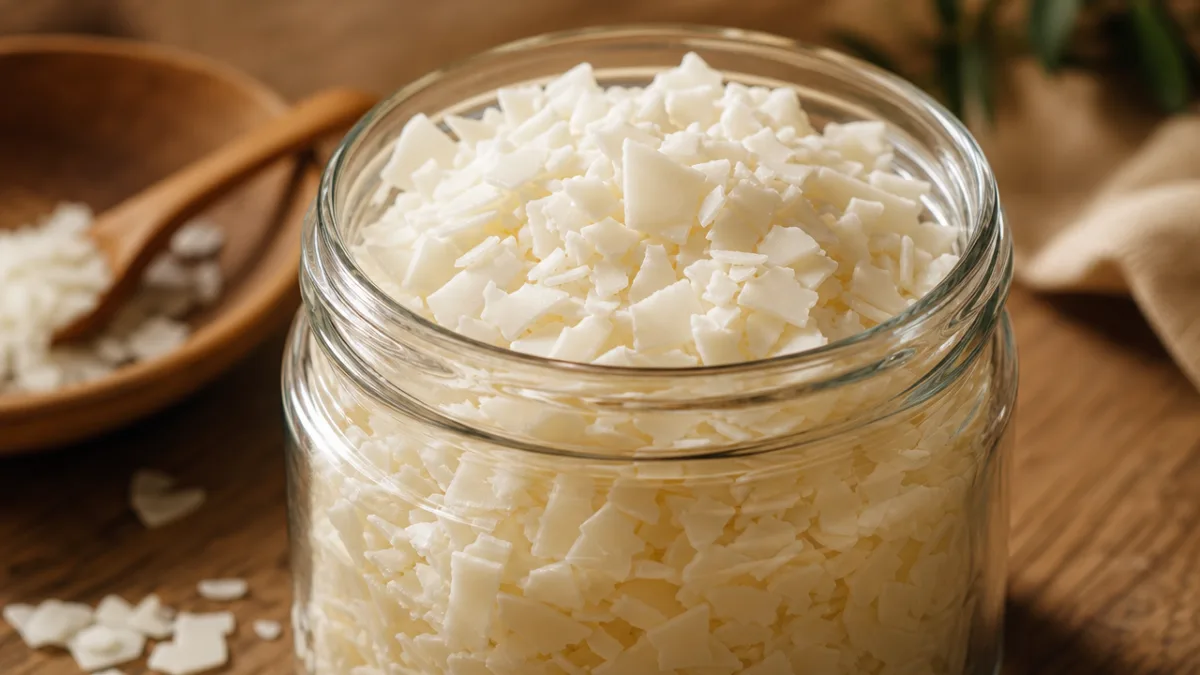
- Appearance: Creamy white, smooth matte finish
- Wax Type: Refined hydrogenated soybean oil with food-grade additives
- Recommended Application: Container candles only
Why Choose Nature Wax C-3 Over Other Soy Waxes?
The candle-making supply market is filled with dozens of soy wax options, and choosing the right one can feel overwhelming for both newcomers and seasoned crafters. Nature Wax C-3 consistently stands out because of its reliable, repeatable performance across a wide variety of conditions. Many alternative soy waxes require significant testing and adjustment to achieve the same level of fragrance throw and surface quality that C-3 delivers with relatively minimal trial and error. This reliability translates directly into saved time, materials, and frustration during the development phase of a new candle product.
Compared to 464 soy wax — another extremely popular choice — C-3 tends to produce a slightly firmer candle body, which can be beneficial in warmer climates or during summer months when softer waxes may become too pliable during shipping or retail display. While 464 is celebrated for its outstanding hot throw and ease of use, C-3 offers a more balanced profile that suits makers who prioritize a combination of firmness, scent performance, and visual appeal. Neither wax is definitively superior; rather, each excels in particular scenarios and personal preferences play a large role in the decision.
Another distinguishing factor is C-3’s long track record in the industry. It has been commercially available and widely used for many years, meaning there is an enormous community of candle makers who have tested it extensively and documented their results. This wealth of community knowledge makes troubleshooting far easier and gives beginners access to an abundance of tried-and-tested recipes and techniques. For small business owners concerned about consistency, sourcing a well-established wax with predictable batch-to-batch performance is an invaluable practical advantage.
How to Work with Nature Wax C-3: Step-by-Step Process
Working with Nature Wax C-3 successfully requires attention to temperature management, fragrance incorporation, and wick selection. The process begins with melting your wax in a double boiler or a dedicated wax melting pitcher set over low to medium heat. Use a reliable thermometer — a digital probe thermometer is strongly recommended — to monitor the temperature continuously. You should aim to bring the wax to approximately 170°F to 180°F to ensure it is fully and uniformly melted before you begin adding any colorants or fragrance oils to the mixture.
Once the wax reaches your target fragrance addition temperature, typically between 140°F and 160°F, carefully measure your fragrance oil by weight using a digital kitchen scale. Add the fragrance oil slowly while stirring gently but consistently for at least two full minutes to ensure thorough incorporation. Insufficient mixing at this stage is one of the most common causes of poor fragrance throw in finished candles. Stir in slow, deliberate motions to avoid introducing excessive air bubbles into the wax, which can cause surface imperfections once the candle sets and cools.
Prepare your containers by centering pre-waxed wicks and securing them with a wick centering tool or two pencils placed across the rim of the jar. Pour your prepared wax at a temperature between 130°F and 150°F for best results, filling the container to your desired level and leaving appropriate headspace near the rim. Allow the candles to cool at room temperature — avoid placing them in a refrigerator or drafty area, as rapid or uneven cooling is a leading cause of sinkholes and rough tops. After the candles have fully set, typically 24 to 48 hours, perform a trim of the wick to approximately one-quarter inch before conducting your first test burn.
- Melt wax to 170°F – 180°F in a double boiler
- Allow wax to cool to 140°F – 160°F before adding fragrance
- Add fragrance oil by weight and stir for at least two minutes
- Add liquid dye if desired and stir gently to combine
- Pour into prepared containers at 130°F – 150°F
- Allow to cure at room temperature for 24 to 48 hours minimum
- Trim wick to one-quarter inch and perform test burns

Wick Selection and Fragrance Pairing for C-3
Selecting the correct wick for Nature Wax C-3 is arguably the most important and nuanced aspect of the entire candle-making process. An improperly sized wick can result in a candle that tunnels through the center without creating a full melt pool, or alternatively, one that burns too hot, causing excessive soot, mushrooming, and potential safety hazards. Because C-3 is a softer container wax with a relatively low melt point, it generally pairs well with cotton core wicks or wood wicks, though the specific series and size will depend heavily on your jar diameter and the fragrance load you are using.
For containers in the 3 to 4 inch diameter range, many C-3 users find success with CD series wicks (such as CD-18 or CD-20) or ECO series wicks (ECO-10 or ECO-12). Wood wicks have also gained considerable popularity with C-3 due to their aesthetic appeal and the gentle crackling sound they produce when burning. However, wood wicks require their own testing protocol, as their performance can be significantly affected by fragrance oil viscosity, dye concentration, and the specific diameter of the vessel. Always purchase a wick sampler assortment and commit to rigorous burn testing before finalizing any production candle recipe.
When it comes to fragrance selection, Nature Wax C-3 is compatible with a broad range of fragrance oils, though it performs particularly well with fragrances that are designed specifically for soy wax applications. Fragrances with high vanillin content may cause discoloration in the wax over time, a completely natural phenomenon that does not affect performance but can alter the appearance of white or lightly colored candles. Floral, citrus, and fresh fragrance families tend to perform beautifully in C-3, while heavier gourmand or musky scents may benefit from slight adjustments in pour temperature or fragrance load to achieve optimal throw. Always source your fragrance oils from reputable suppliers who provide usage guidelines and phthalate-free formulations.
Troubleshooting Common Issues with Nature Wax C-3
Even experienced candle makers encounter problems when working with soy wax, and Nature Wax C-3 is no exception. One of the most frequently reported challenges is frosting, which appears as a white, powdery or crystalline coating on the surface or sides of the candle. As mentioned previously, frosting is a natural property of pure soy wax and actually indicates high soy content, but it can be minimized by pouring at slightly higher temperatures, keeping your containers warm prior to pouring, and storing finished candles away from direct sunlight or temperature fluctuations during the curing period.
Sinkholes and rough or cracked tops are another common complaint, typically caused by the wax contracting as it cools and air becoming trapped beneath the surface. The most effective solution is to perform a second pour — also called a top-off pour — using wax that has been reheated to approximately 10°F above your original pour temperature. This fills in any voids left by shrinkage and creates a smoother, more uniform surface. Reducing your pour temperature slightly can also help, as can pouring in a warm room to slow the cooling process and allow trapped air to escape more gradually and evenly.
Weak fragrance throw, either in cold or hot form, is perhaps the most disheartening issue a candle maker can face after investing time and materials into a batch. If your C-3 candles are not throwing scent as expected, consider the following possibilities: the fragrance was added at too high a temperature and flash points were exceeded, the fragrance percentage was too low, the wick is undersized and not generating a full melt pool, or the candle has not been given adequate cure time. Most soy candles benefit significantly from a cure period of at least one full week before final assessment, as the fragrance oil continues to bind more fully with the wax during this time, resulting in a noticeably improved cold throw and overall scent experience.

Sustainability and Environmental Benefits of Soy Wax
One of the most compelling reasons that candle makers and consumers alike have embraced Nature Wax C-3 and soy wax products in general is their environmental profile compared to traditional paraffin wax. Soy wax is derived from soybeans, a renewable agricultural crop that can be grown season after season without depleting finite fossil fuel reserves. The production of soybean oil and its subsequent hydrogenation into wax generates a significantly lower carbon footprint than the extraction and refinement of petroleum-based paraffin wax, making soy candles a more sustainable choice for environmentally conscious consumers and businesses.
Soy candles also burn cleaner than their paraffin counterparts, releasing fewer airborne toxins and producing minimal black soot. While no candle is entirely without combustion byproducts, studies have suggested that soy wax candles emit lower levels of carcinogenic compounds during burning, contributing to better indoor air quality for households that burn candles regularly. For families with young children, pets, or members who suffer from respiratory sensitivities, this cleaner burn profile is a genuinely meaningful benefit that goes beyond marketing language and directly affects everyday quality of life.
Furthermore, soy wax spills and residue are much easier to clean up than paraffin, as soy is water-soluble when warm. Candle jars can be cleaned with hot soapy water and reused or recycled, aligning with a broader zero-waste lifestyle. The growth of the soy candle industry has also supported American soybean farmers, contributing to domestic agricultural economies and reducing dependence on imported petrochemicals. By choosing products like Nature Wax C-3, candle makers participate in a supply chain that, while not without its complexities, represents a meaningful step toward more responsible and sustainable manufacturing practices within the artisan craft and home goods sectors.
Building a Candle Business with Nature Wax C-3
For entrepreneurs looking to launch or grow a candle-making business, Nature Wax C-3 provides a solid and dependable foundation. Its consistent performance reduces the variability that can plague small-scale manufacturers using lesser-known or inconsistent wax sources, and its established reputation with consumers adds credibility to product labels that feature natural soy wax as a key ingredient. Many successful candle brands built on C-3 have scaled from kitchen-table operations to regional and even national retail presences, a testament to the wax’s suitability for commercial production at virtually any volume.
From a cost perspective, Nature Wax C-3 is competitively priced within the natural wax category and is available in convenient flake form, which makes measuring and melting significantly easier than working with block or slab waxes. It is sold by numerous candle-making suppliers across the United States and internationally, ensuring reliable availability and competitive pricing through multiple sourcing channels. Purchasing in bulk — typically in 50-pound cases — brings down the per-pound cost considerably and is a natural step as production volume increases and order forecasting becomes more predictable within a growing business.
Marketing candles made with Nature Wax C-3 also benefits from the broader consumer trend toward natural, plant-based, and artisan-crafted home goods. The keywords “soy wax,” “natural wax,” and “clean burning” resonate strongly with modern consumers who are increasingly scrutinizing the ingredients and sourcing of products they bring into their homes. Pairing C-3 with high-quality, phthalate-free fragrance oils, sustainable packaging, and thoughtful branding creates a product offering that can command premium pricing in both online marketplaces and brick-and-mortar retail environments. Investing in thorough burn testing and quality documentation further distinguishes a professional candle brand from hobby-level competitors and builds long-term customer trust and loyalty.








What do you think?
It is nice to know your opinion. Leave a comment.