










Twysted Roots: The Art of Bead and Wire Tree Sculptures
The Ancient Craft Reimagined: What Are Bead and Wire Tree Sculptures?
Bead and wire tree sculptures are intricate, handcrafted artworks that transform humble raw materials into breathtaking miniature trees. Using thin gauge wire twisted and shaped into lifelike branches and roots, artists weave or thread colorful beads throughout the structure to create foliage, blossoms, or purely decorative effects. The result is a shimmering, three-dimensional tree that captures the organic beauty of nature while adding a sparkling, jewel-toned quality entirely unique to this art form.
The tradition of wire and bead artistry stretches back centuries across many cultures. In South Africa, wire art has deep cultural roots, with artisans crafting everything from animals to decorative objects using wire salvaged from fences and other materials. Beadwork similarly carries enormous significance across African, Native American, and Eastern European traditions, where intricate bead patterns convey stories, status, and spiritual meaning. Wire tree sculptures as we know them today represent a beautiful convergence of these two ancient crafts.
What makes these sculptures so compelling is their extraordinary versatility. A skilled artist can render a gnarled, ancient oak with rough copper wire and earthy brown beads, or conjure a delicate cherry blossom tree using silver wire and pale pink crystal beads. The medium allows for incredible personalization, with artists able to tailor color palettes, tree species, size, and style to suit virtually any aesthetic preference or interior design scheme. Each piece becomes a small, permanent garden that never needs watering.
Materials That Make the Magic
The core materials for bead and wire tree sculptures are deceptively simple, but the quality and selection of those materials profoundly affects the final result. Wire comes in many gauges and metals, including copper, aluminum, brass, and silver-plated varieties. Thicker gauge wire forms the trunk and primary branches, providing structural integrity, while progressively thinner gauges are used for smaller branches and delicate twigs. The choice of metal influences both the aesthetic warmth of the piece and its workability in the artist’s hands.
Beads are where artists truly express their creativity and personal style. The range of available beads is staggering, encompassing seed beads, crystal beads, glass beads, gemstone chips, freshwater pearls, and acrylic varieties in thousands of colors and finishes. Matte beads create a soft, naturalistic foliage effect, while faceted crystal beads catch and scatter light like sunlit leaves. Many artists mix bead types within a single sculpture, using larger beads near the base of branches and smaller ones toward the tips for a convincing sense of natural scale.
Beyond wire and beads, the base or pot of a wire tree sculpture deserves careful consideration. Artists often secure their trees in decorative pots filled with plaster, epoxy resin, or air-dry clay, sometimes embedding gemstone chips, decorative gravel, or moss to complete the natural scene. The base contributes significantly to the overall composition and can be matched to complement a room’s existing decor. Some artists create elaborate naturalistic settings with miniature rocks and moss, while others prefer sleek, modern containers that let the tree itself command full attention.
The Twysted Roots Brand: Craftsmanship With a Distinctive Twist
Twysted Roots has carved out a distinctive niche in the handmade art market by combining exceptional technical skill with a bold, contemporary aesthetic. The brand name itself is a playful nod to the twisted wire technique at the heart of every sculpture, as well as a reference to the way tree roots twist and intertwine beneath the soil. This clever wordplay speaks to the brand’s personality: thoughtful, creative, and just a little bit irreverent. Twysted Roots trees are not simply decorative objects but genuine conversation pieces.
What sets Twysted Roots apart from other bead and wire tree artists is a commitment to sculptural ambition. Many wire tree makers produce charming but relatively flat, symmetrical trees. Twysted Roots sculptures lean into asymmetry, movement, and drama, creating trees that look as though they have genuinely weathered storms, reached toward light, and grown over decades. The branches are positioned with careful attention to visual balance and flow, giving each piece a sense of organic life rather than manufactured uniformity.
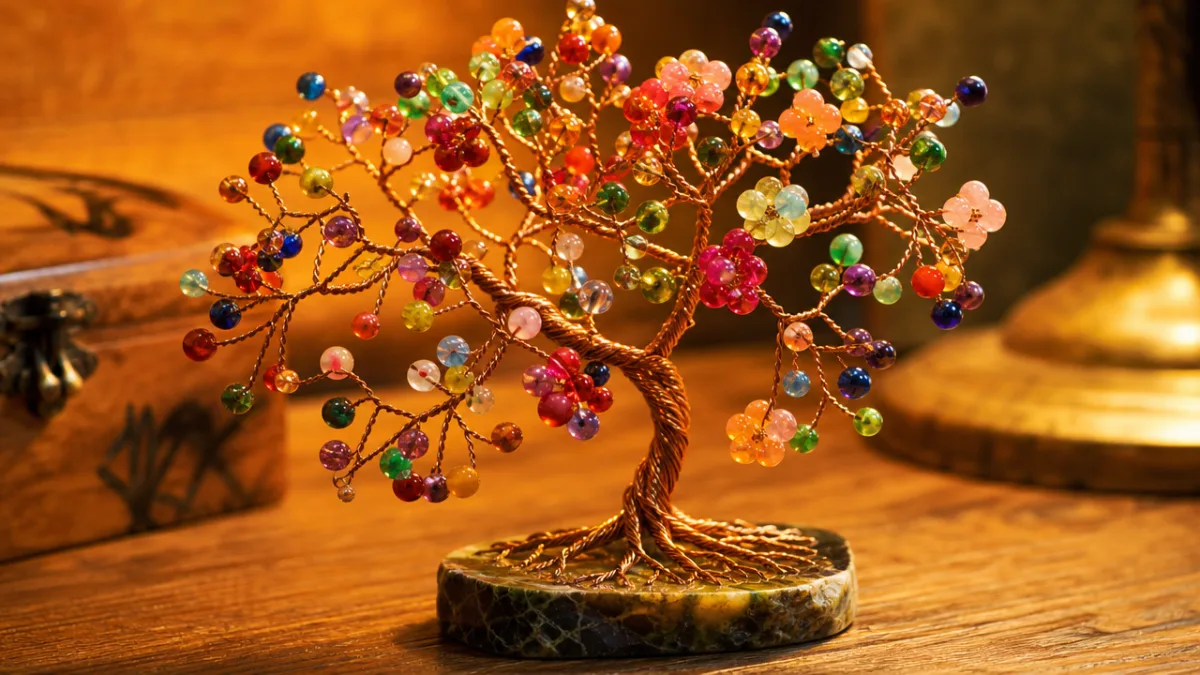
The brand also distinguishes itself through an adventurous approach to color and material combinations. Twysted Roots trees are not limited to naturalistic greens and browns. Shoppers can discover sculptures incorporating vivid jewel tones, seasonal color palettes, monochromatic designs, and even abstract color combinations that transform the tree motif into something closer to pure sculpture than botanical representation. This willingness to push boundaries has earned the brand a dedicated following among art collectors, interior designers, and gift shoppers looking for something truly memorable.
Popular Styles and Signature Collections
Among the most beloved Twysted Roots offerings are the gemstone chip trees, in which the branches are adorned entirely with chips of genuine semi-precious stones rather than glass or acrylic beads. Amethyst trees shimmer in shades of lavender and deep purple, believed by many to carry calming, spiritual energy. Rose quartz trees glow with soft pinks and warm creams, making them perennial favorites as romantic gifts. Citrine trees burst with yellows and golds that seem to radiate warmth and optimism into any room they inhabit.
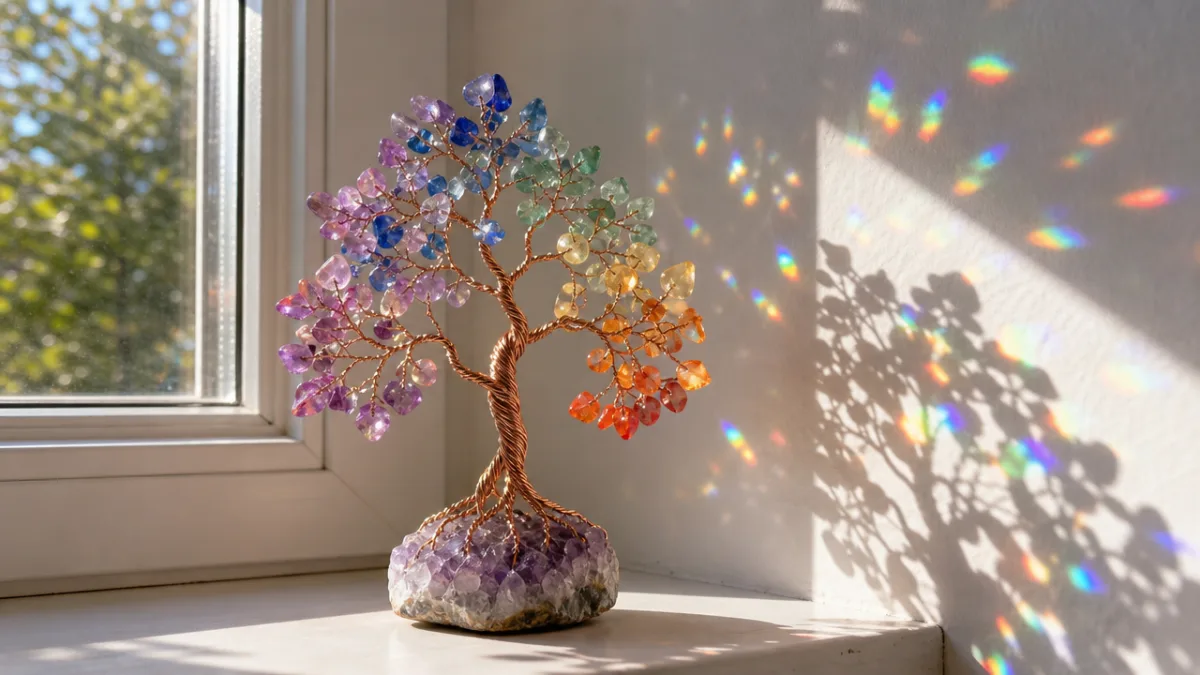
Crystal bead trees represent another signature style, where the use of faceted glass or Swarovski-style crystals creates a piece that genuinely sparkles. Positioned near a window or under ambient lighting, a crystal tree casts tiny prisms of refracted light across surrounding surfaces, creating a living, changing light display throughout the day. These pieces are especially popular in home offices, meditation spaces, and reading nooks where their gentle light play adds an element of magic to the environment.
For those who prefer more naturalistic aesthetics, Twysted Roots also produces trees using matte seed beads in realistic foliage colors, sometimes combined with tiny dried flowers or preserved moss to blur the line between sculpture and botanical arrangement. Autumn trees ablaze with reds, oranges, and golds are perennial bestsellers, as are delicate spring blossoms rendered in whites and pale pinks. These naturalistic designs tend to appeal to buyers who want the warmth of handmade craft without an overtly decorative or eclectic feel.
Why Handmade Art Matters: The Value of Choosing Bead and Wire Trees
In a marketplace flooded with mass-produced decor, choosing a handmade bead and wire tree sculpture is a meaningful act. Every piece requires hours of careful, skilled labor. A medium-sized tree sculpture might involve dozens of individual wire strands twisted together, hundreds or even thousands of individually placed beads, and painstaking adjustments to branch positioning until the overall shape achieves the right balance and character. No machine can replicate this process, and no two pieces are ever identical. When you purchase a Twysted Roots sculpture, you are acquiring something genuinely one of a kind.
Supporting independent handmade artists also means directing your spending toward small creative businesses rather than large manufacturing operations. Artists who sell through platforms like Pinterest and Etsy rely on customer engagement to sustain their livelihoods, fund the purchase of new materials, and continue developing their craft. When a piece is discovered through a Pinterest pin and leads to a purchase, it directly enables the artist to keep creating. This connection between viewer, platform, and maker represents one of the more heartening aspects of the contemporary handmade marketplace.
There is also an environmental dimension to consider. Bead and wire sculptures are made from durable materials built to last a lifetime, representing a stark contrast to fast-fashion decor items that end up in landfills within a few years. A well-made wire tree sculpture will not fade, wilt, or break down. It requires no maintenance, no water, and no replacement. For consumers trying to make more sustainable choices in their home decor, handmade objects built to endure represent a genuinely responsible option.
Gifting and Occasions: Perfect Moments for a Wire Tree
Bead and wire tree sculptures make exceptional gifts for a remarkable range of occasions, which contributes significantly to their popularity. Their visual beauty makes them immediately impressive as gifts, while their handmade nature communicates thoughtfulness and effort beyond what a typical store-bought present could convey. The wide range of styles, colors, and sizes available means a buyer can easily find or commission a piece suited to the specific recipient, making the gift feel personal and considered rather than generic.
Some of the occasions for which Twysted Roots sculptures are especially well suited include:
- Housewarming gifts: A beautiful tree sculpture is a universally appealing addition to a new home, carrying symbolic resonance around growth, stability, and new beginnings.
- Weddings and anniversaries: Rose quartz or crystal trees make romantic and lasting keepsakes that far outlast flowers or perishable gifts.
- Retirement celebrations: A gemstone tree chosen to reflect the recipient’s favorite colors or birthstone creates a deeply personal and elegant commemorative gift.
- Birthdays and holidays: Trees can be customized to match seasonal themes or personal color preferences, making them suitable for virtually any age or taste.
- Memorial tributes: A wire tree planted in a pot with a small plaque or note creates a lasting, living-style memorial that honors a loved one with beauty rather than grief.
Beyond traditional gift occasions, many buyers purchase Twysted Roots trees for themselves as a form of intentional self-gifting. Interior design enthusiasts use them as focal point accessories on shelves, mantles, and side tables. Crystal healers and wellness practitioners incorporate gemstone trees into their practice spaces. Writers, artists, and creative professionals keep them in their studios as sources of visual inspiration. The sculptures occupy that rare category of decorative object that manages to feel both personal and universal simultaneously.
Caring for Your Bead and Wire Tree Sculpture
One of the great practical advantages of bead and wire tree sculptures is how little care they require. Unlike living plants or cut flowers, they demand no watering, feeding, pruning, or pest management. However, a few simple practices will ensure your sculpture remains in pristine condition and retains its visual brilliance for years to come. Understanding the materials from which your particular tree is made will help you care for it most appropriately, as different bead and wire types respond differently to environmental conditions.
Dust is the most common maintenance challenge for these sculptures. The intricate structure of branches and beads can trap fine particles over time, dulling the sparkle of crystal beads and obscuring the fine detail of the wirework. The best approach to dusting is a gentle one. Using a very soft paintbrush or a can of compressed air, carefully remove dust from branches and beads without applying pressure that might bend the wire or dislodge beads. Avoid using liquid cleaners on bead and wire trees unless you know specifically that both the wire and bead materials are water-safe.
Placement within the home also affects the longevity of your sculpture. Direct sunlight, while beautiful for displaying the light-catching qualities of crystal beads, can over time cause certain bead colors to fade, particularly in lower-quality acrylic or dyed glass beads. Natural gemstone beads and high-quality crystal beads are generally more fade-resistant. Humidity is another consideration: copper wire, while beautiful, will naturally oxidize over time, developing a patina that some owners love and others prefer to prevent. Keeping copper wire trees away from high-humidity environments like bathrooms will slow oxidation.
Display Ideas and Interior Styling Tips
The way you display a bead and wire tree sculpture dramatically affects its visual impact. Placing a crystal or gemstone tree near a natural light source, such as a windowsill or skylight, allows it to perform its best trick: refracting light into tiny, shifting spectrums of color. A tree positioned just inside a sunny window will cast small rainbow patterns onto walls and ceilings that shift throughout the day as the sun’s angle changes, turning a static sculpture into a dynamic element of the room’s atmosphere.
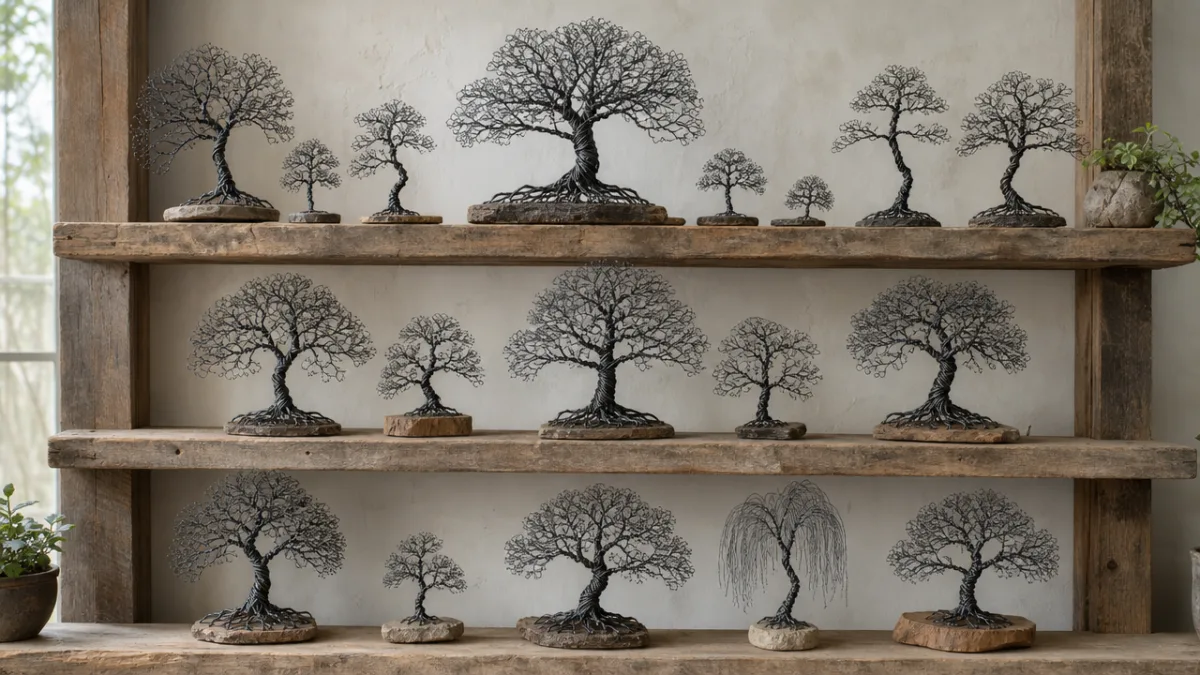
Grouping several trees together in varying heights and colors creates a compelling miniature forest effect on a shelf or console table. Consider mixing tree styles to create visual interest: a tall copper wire tree with amber beads alongside a smaller silver wire tree with clear crystal beads creates a dynamic pairing that references seasonal change or the interplay of warm and cool light. Adding natural elements nearby, such as a polished river stone, a small piece of driftwood, or a single succulent in a complementary pot, reinforces the organic theme without cluttering the arrangement.
For those who use Pinterest and social media for interior inspiration, bead and wire tree sculptures photograph beautifully, making them perennial favorites in styled home photography. Their reflective surfaces respond well to both natural and artificial photographic lighting, and their intricate detail rewards close-up photography. If you are building a visually cohesive aesthetic for your home or creative space, a Twysted Roots tree is both a genuine artistic investment and a highly shareable, photogenic accent piece that will draw admiration from visitors and followers alike.
Finding and Purchasing Twysted Roots Sculptures
Discovering Twysted Roots through Pinterest is a fitting entry point, as the platform’s visually driven format is ideally suited to showcasing the intricate beauty of bead and wire sculptures. Pinterest functions as both a discovery tool and an inspiration board, allowing potential buyers to explore different styles, color palettes, and sizes before committing to a purchase. Saving pins to personal boards allows shoppers to compare pieces, return to favorites over time, and share discoveries with friends and family who might appreciate the work or be searching for gift ideas.
From Pinterest, most independent artists selling bead and wire tree sculptures maintain shops on handmade marketplace platforms such as Etsy, where detailed product listings include multiple photographs, size and material specifications, and information about the creation process. Reading shop reviews is a valuable step before purchasing, as it reveals how other buyers have experienced the quality of craftsmanship, the accuracy of product descriptions, and the reliability of shipping and packaging. Reputable sellers like Twysted Roots typically have robust review histories that reflect their commitment to customer satisfaction.
Many bead and wire tree artists also accept custom commissions, which is one of the most exciting purchasing options available. A custom commission allows you to specify the tree’s size, the type of wire, the bead materials and colors, and even the style of the base or pot. For a truly personal gift or a piece designed to match a specific room, commissioning directly from the artist ensures the finished sculpture will be precisely what you envisioned. Communication with the artist throughout the commission process also tends to make the final product feel more meaningful, as you gain insight into the creative decisions and craftsmanship that went into its making.
What to Look for When Buying
When evaluating a bead and wire tree sculpture for purchase, several quality indicators are worth examining closely. The trunk and main branches should feel solid and hold their shape without flopping or bending under light touch. Individual wire strands should be tightly and evenly twisted, with no loose ends protruding in ways that suggest hasty finishing. The overall silhouette of the tree should have visual balance and a sense of organic movement, neither rigidly symmetrical nor chaotically random.
Bead attachment quality is equally important. Beads should be securely fixed to their wire branches and should not slide freely along the wire unless that is an intentional design choice clearly described by the maker. For gemstone chip trees in particular, look for even distribution of stones throughout the canopy, with no sections noticeably sparse or overcrowded. The base should be stable and well-finished, with the wire trunk firmly embedded so the tree does not rock or tip when the pot is placed on a flat surface.
Price is often a reliable indicator of quality in the handmade art market, though it is not the only one. Very inexpensive wire trees may use low-quality wire that bends out of shape easily, or acrylic beads that fade and cloud over time. Mid-range to premium pieces using genuine gemstones, quality crystal beads, or fine copper and silver wire will maintain their beauty far longer and justify their higher cost as lasting investments in your living space. The extraordinary amount of skilled labor involved in creating a quality bead and wire tree sculpture makes a fair price an entirely reasonable and worthwhile commitment to craftsmanship and art.








What do you think?
It is nice to know your opinion. Leave a comment.