










Lemon Blossom Candle: A Complete Guide to Citrus Serenity in Your Home
The Timeless Appeal of Lemon Blossom Fragrance
There is something undeniably uplifting about the scent of lemon blossom. It carries within it a brightness that no other fragrance quite replicates — part citrus, part floral, part something ineffably fresh and alive. Unlike the sharp, almost aggressive tang of straight lemon zest, lemon blossom fragrance is softer, more nuanced, and deeply evocative of warm spring days when citrus trees come into their brief but spectacular flowering. For centuries, people across Mediterranean cultures have treasured this scent as a symbol of renewal and abundance.
When this fragrance is captured in a candle, something magical happens. The warmth of the flame gently releases the aromatic compounds in waves rather than all at once, creating an evolving sensory experience that changes subtly over the hours of burning. Early in the burn you might detect the bright topnotes — crisp, clean, almost sparkling. As the wax pool deepens and the heat increases, the heart of the fragrance emerges: the delicate white floral character of the blossoms themselves, sweet and almost honeyed. This layered reveal is one of the chief pleasures of a well-made lemon blossom candle.
The psychological effects of citrus and floral fragrances have been well documented in aromatherapy research. Lemon-derived scents in particular are associated with improved mood, reduced anxiety, and increased mental alertness. Combine that with the calming ritual of candlelight itself, and a lemon blossom candle becomes more than mere decoration — it becomes a genuine tool for creating a sense of well-being in your living space. It is the kind of object that transforms an ordinary Tuesday evening into something that feels intentional and restorative.
Understanding What Makes a Quality Lemon Blossom Candle
Not all lemon blossom candles are created equal, and learning to distinguish a high-quality product from a mediocre one can save you both money and disappointment. The first indicator is the wax itself. Premium candles are most commonly made from soy wax, beeswax, or coconut wax, all of which burn cleaner and slower than traditional paraffin. Soy wax in particular has become the standard for artisan candle makers because it holds fragrance exceptionally well, produces minimal soot, and comes from a renewable resource. When you see a cloudy, matte appearance on an unlit soy candle, that is actually a sign of quality — it indicates the natural properties of the wax rather than any flaw.
The fragrance load is another critical quality marker. Mass-produced candles often contain as little as three to five percent fragrance oil, which results in a weak, flat scent throw that barely registers in a room. Artisan candle makers typically use between eight and twelve percent fragrance concentration, sometimes higher for particularly dense blends. For a lemon blossom candle specifically, this matters enormously because the blossom notes are inherently delicate and can easily be overwhelmed or lost if the fragrance blend is not carefully calibrated. The best versions use a combination of natural essential oils — true lemon oil, neroli, and sometimes a touch of petitgrain — alongside high-quality fragrance compounds to ensure longevity and complexity.
The wick is the unsung hero of any candle’s performance. A wick that is too thin will tunnel through the wax, wasting the fragrance-laden outer portions and creating a narrow, inadequate melt pool. A wick that is too thick will produce excessive soot, a large flame that consumes wax too quickly, and potentially dangerous heat. The ideal wick for a lemon blossom candle is sized precisely to the diameter of the vessel, maintaining a full, even melt pool that reaches the edges within the first two hours of burning. Cotton wicks remain the most popular choice, though wood wicks — which produce a soft crackling sound reminiscent of a fireplace — have gained significant popularity for their aesthetic appeal.
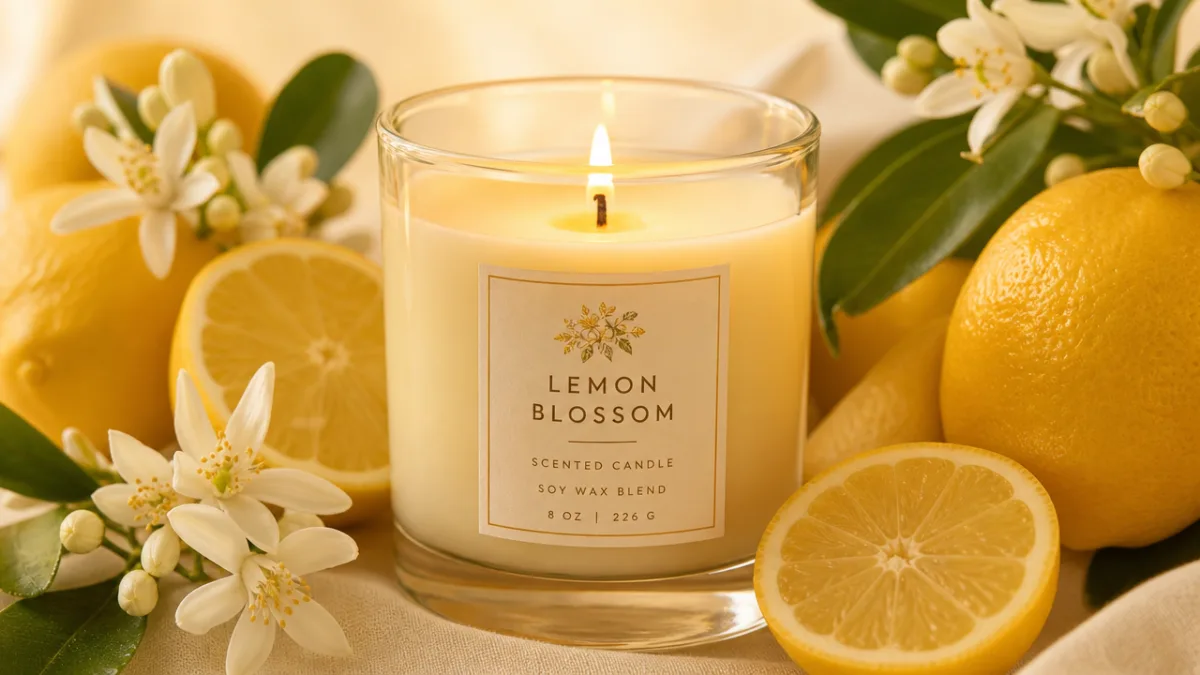
- Soy or coconut wax: Burns cleaner, slower, and holds fragrance more effectively than paraffin alternatives.
- High fragrance load (8–12%): Ensures a robust scent throw that fills a room without becoming overpowering.
- Cotton or wood wick: Properly sized to the vessel diameter for an even, complete melt pool.
- Natural fragrance components: Look for lemon essential oil, neroli, and botanical extracts in the ingredient list.
- Quality vessel: Glass, ceramic, or tin containers that can withstand heat and be repurposed after the candle is finished.
How to Burn Your Lemon Blossom Candle for Maximum Enjoyment
The first burn of any candle is arguably the most important one you will ever give it, and lemon blossom candles are no exception. This is because wax has what candle makers call “muscle memory” — it will tend to melt in the same pattern established during that inaugural lighting. If you extinguish a candle before the melt pool has reached the full diameter of the vessel, the wax will tunnel downward in subsequent burns, leaving a ring of unmelted, fragrance-rich wax clinging permanently to the sides. For a standard jar candle, plan for your first burn to last at least two to three hours, or until you see a complete, even liquid pool across the surface.
Wick maintenance is a practice that many candle owners neglect, but it has a profound impact on both performance and safety. Before each burn, trim your wick to approximately a quarter of an inch. This can be done with dedicated wick trimmers — a worthwhile small investment — or simply with a pair of sharp scissors. A properly trimmed wick produces a steady, controlled flame without excessive flickering, smoking, or the black mushrooming at the tip that indicates incomplete combustion. For lemon blossom candles, which you likely want to use for their mood-enhancing properties, a clean, steady flame also ensures that the fragrance oils are released at the optimal rate rather than being consumed too rapidly.
Placement within your home matters considerably for getting the most from your lemon blossom candle. Avoid positioning candles in areas with strong drafts, near air vents, or in direct lines of airflow from fans or open windows. Drafts cause uneven burning, excessive smoking, and dramatically shortened burn times. Instead, choose a stable surface in a location where the scent can circulate naturally through the room — a coffee table, a bathroom counter, or a bedside table are all classic choices. Never leave a burning candle unattended, and keep it away from flammable materials, children, and pets. These are foundational safety practices that apply to any candle but are worth restating clearly.
To extend the life of your candle and preserve the quality of the lemon blossom fragrance between uses, store it with the lid on in a cool, dark location. Fragrance oils are volatile compounds that will slowly dissipate when exposed to light, heat, and open air. Sunlight is particularly damaging, and can also cause discoloration in the wax. A quality lemon blossom candle represents a real investment in your home environment, and treating it with the same care you would give to a good perfume or a bottle of quality wine will ensure you enjoy every last hour of its burn time at its absolute best.
Incorporating Lemon Blossom Candles into Your Home Rituals
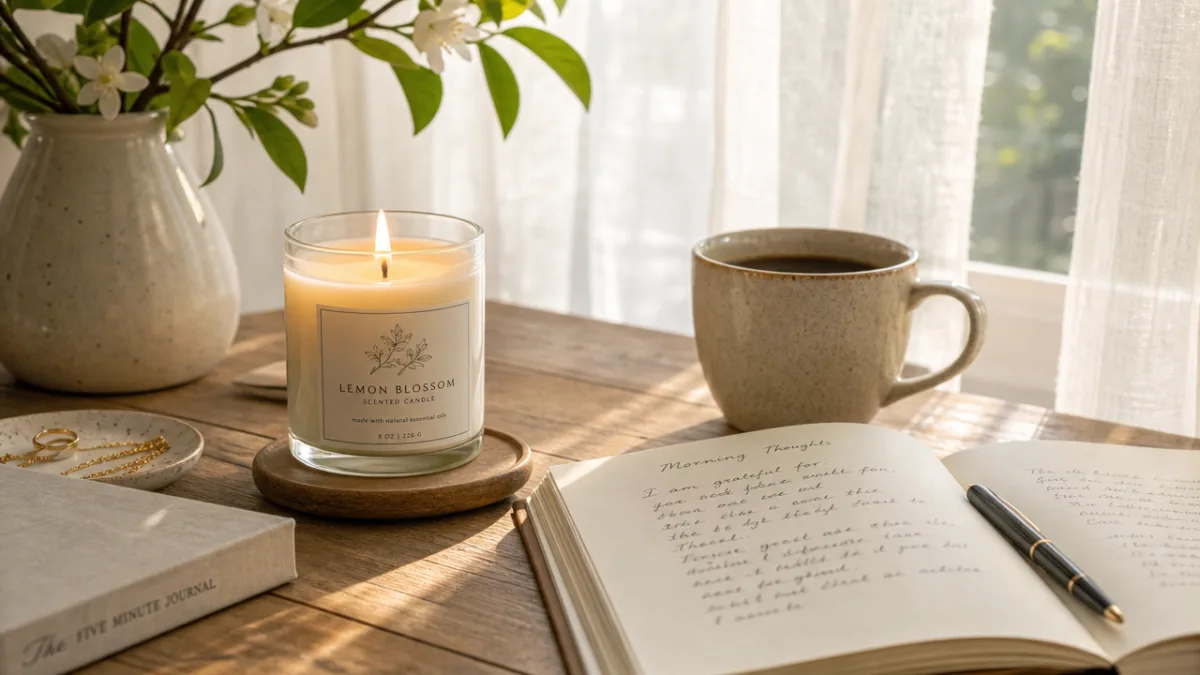
The most transformative way to use a lemon blossom candle is not simply to light it occasionally and hope for pleasant ambient scent, but to weave it deliberately into the rhythms and rituals of your daily life. Morning routines are a particularly powerful context. Lighting your candle while you prepare coffee or tea, while you sit and plan your day, or during a morning meditation practice signals to your brain that this is a time of intentionality and calm. The bright, citrus-forward notes of lemon blossom are especially well-suited to mornings because they share many of the same psychological properties as natural light — they promote alertness and positive mood without being stimulating in an uncomfortable way.
The transition from the working day into personal evening time is another ritual that a lemon blossom candle can anchor beautifully. Many people struggle with this transition, finding that work stress, digital overstimulation, and the relentless pace of modern life make it difficult to truly decompress. Lighting a candle as a physical, deliberate act — striking a match, watching the flame catch and settle — functions as a kind of ceremony that tells the nervous system it is safe to slow down. The lemon blossom scent evolves as the evening progresses, the topnotes giving way to the deeper floral heart, which mirrors the natural process of letting go of the day’s energy and settling into rest.
Creative work of all kinds benefits from the right sensory environment, and many writers, artists, painters, and musicians report that a carefully chosen candle becomes an essential part of their practice. Lemon blossom candles are particularly well-matched to creative contexts because they occupy a middle ground between the stimulating and the calming. They are bright enough to prevent the drowsy unfocused state that heavily musky or amber fragrances can sometimes induce, but gentle enough that they do not compete with or distract from deep concentration. If you have a home studio, a writing desk, or a dedicated creative corner, a lemon blossom candle placed nearby can help condition your mind to associate that space with creative flow.
- Morning intention setting: Light your candle during the first quiet moments of the day alongside coffee, journaling, or meditation to establish a calm, focused mindset.
- Work-to-home transition: Use the act of lighting the candle as a deliberate ritual to signal the shift from professional to personal time.
- Bathtime and self-care: A lemon blossom candle alongside a warm bath elevates the experience from routine hygiene to genuine restorative practice.
- Creative sessions: Place a candle at your workspace to condition your mind for focused, inspired creative work.
- Hosting and entertaining: Light candles throughout your home before guests arrive to create a welcoming, sophisticated atmosphere that guests will notice and remember.
The Art and Craft of Making Your Own Lemon Blossom Candle
Making your own lemon blossom candle at home is a deeply satisfying project that results in a product perfectly tailored to your preferences, and the process itself is far more accessible than many people assume. The essential supplies are modest: soy wax flakes, fragrance oil or essential oils, wicks with sustainer tabs, a vessel of your choice, a thermometer, and a double boiler or microwave-safe pouring pitcher. Many candle supply companies sell beginner kits that include everything you need, which removes the intimidating guesswork of sourcing individual components. Once you have your materials assembled, a batch of candles can be completed in an afternoon, with curing time of approximately 48 hours before the first burn.
Blending your own lemon blossom fragrance is where the craft becomes genuinely creative. Pure lemon essential oil is the obvious starting point, but on its own it tends to be somewhat sharp and short-lived — it fades quickly and lacks the floral complexity of true lemon blossom. The key to a more authentic lemon blossom accord is neroli oil, which is distilled from the flowers of the bitter orange tree and shares the citrus-floral family of lemon blossoms. A blend of approximately sixty percent lemon essential oil, twenty-five percent neroli, and a small amount of ylang ylang or jasmine absolute will produce a fragrance profile that is far more nuanced and true to the experience of walking through a flowering lemon grove. You can also use commercially blended lemon blossom fragrance oils, which are often expertly formulated for candle use and have excellent hot throw performance.
Temperature control is the most technically critical aspect of candle making and the one that most beginners initially struggle with. Soy wax should be melted gently to around 185 degrees Fahrenheit, then allowed to cool to approximately 135 to 140 degrees before adding your fragrance oils. Adding fragrance at too high a temperature causes the volatile aromatic compounds to flash off and dissipate before the wax even sets, resulting in a finished candle with dramatically reduced scent throw. Pouring temperature is equally important — pouring too hot can cause sinkholes and surface cracking, while pouring too cold results in poor adhesion to the vessel walls. A reliable thermometer is not optional; it is an essential tool for consistent results.
Once your candles have cured for the recommended time, the real pleasure begins: testing, evaluating, and refining your blend. Light a candle in a closed room of average size and evaluate the cold throw — the scent before burning — and then the hot throw as it warms up over the first hour. Note whether the fragrance is true to the lemon blossom profile you were aiming for, whether it fills the space adequately, and how it evolves over the burn. Keep a simple notebook of your formulas and observations. Like any craft, candle making rewards patience and iteration, and the satisfaction of burning a candle that you made yourself, blended yourself, and refined through genuine experimentation is quite different from any store-bought equivalent, no matter how good.
Gifting and Styling Lemon Blossom Candles
A well-chosen candle is one of the most universally appreciated gifts you can give, and a lemon blossom candle in particular occupies a sweet spot between accessible and luxurious. It is personal without being overly intimate, practical without being mundane, and beautiful without demanding a specific aesthetic from the recipient’s home. For a housewarming, a lemon blossom candle communicates warmth and a hope for the happiness of the new home. For a birthday, it signals that you know this person deserves sensory pleasure and moments of calm. For no occasion at all — which is perhaps the most meaningful category of gift — it says simply that you were thinking of someone and wanted to bring a little brightness into their life.
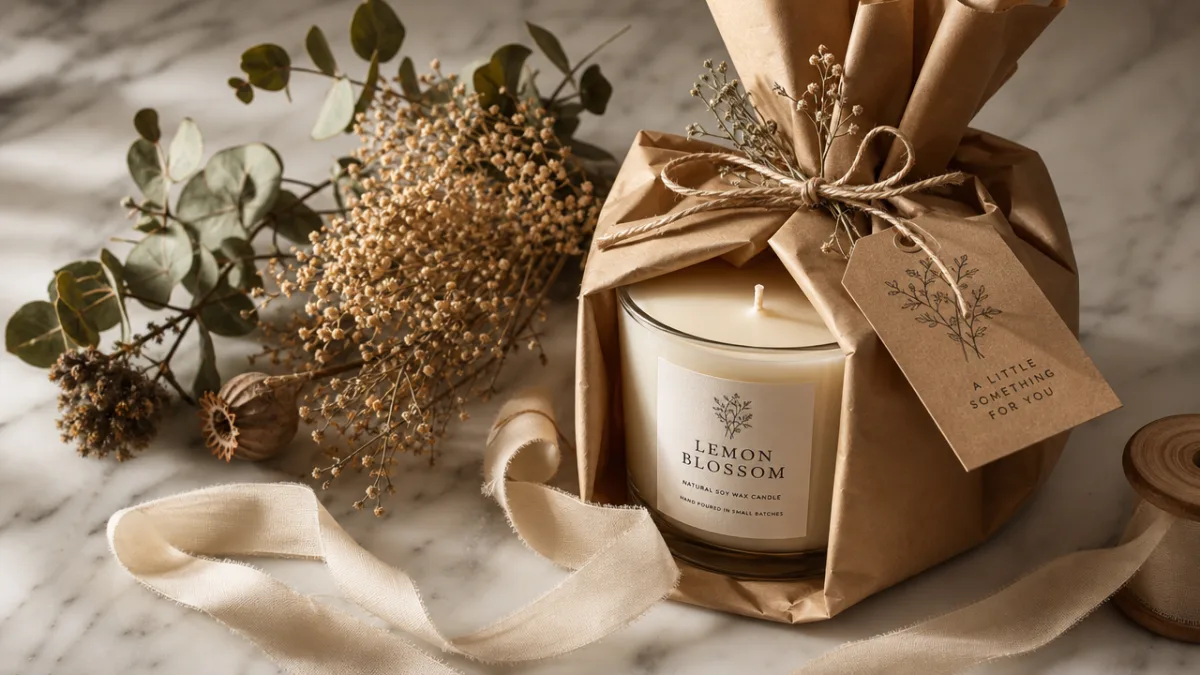
Presentation elevates even a modest candle into something genuinely special. A simple kraft paper sleeve tied with natural twine, a small handful of dried lemon verbena or chamomile tucked alongside it, a handwritten note about the fragrance notes and what they evoke — these small touches cost very little but communicate a level of care and thoughtfulness that mass-produced gift wrapping never achieves. If you are giving a homemade lemon blossom candle, consider creating a small card that lists your fragrance blend, the burn time, and care instructions. This transparency about what went into the candle makes the gift feel even more considered and personal, and it gives the recipient useful information that helps them enjoy it to the fullest.
In terms of home styling, lemon blossom candles are remarkably versatile because their fragrance personality is light and fresh rather than statement-making. They complement almost any existing decor, from the warmly rustic — think reclaimed wood surfaces, ceramic vessels, woven textiles — to the clean and minimal — white surfaces, simple glass containers, spare arrangements. A trio of lemon blossom candles at different heights creates beautiful visual rhythm on a mantelpiece, sideboard, or dining table. A single large vessel candle on a bathroom shelf alongside a few river stones and a small succulent creates a spa-like vignette that transforms even a functional bathroom into a space of quiet pleasure. The golden glow of candlelight is itself a styling element, warming whatever space it inhabits and making everything nearby look more beautiful.
For seasonal styling, lemon blossom candles transition gracefully across the calendar year while maintaining a consistent character. In spring, pair them with fresh flowers — particularly white blooms like ranunculus, sweet peas, or freesia — to amplify the seasonal sense of renewal. In summer, their citrus brightness feels perfectly at home alongside rattan, linen, and light-saturated interiors. In autumn, they provide a counterpoint to the heavier, darker fragrances of the season, offering a reminder of warmth and light. Even in winter, when heavy balsam and spice candles tend to dominate, a lemon blossom candle brings something welcome and different — a hint of warmer places, a scent of the sun returning. This year-round relevance is part of what makes lemon blossom one of the most enduringly popular fragrance families in the candle world.








What do you think?
It is nice to know your opinion. Leave a comment.