










Adorable Giraffe Crochet Kit: The Perfect Project for Animal Lovers & DIY Enthusiasts
Discovering the Joy of Amigurumi: What Makes Giraffe Crochet Kits So Special
There’s something genuinely magical about turning a simple skein of yarn into a soft, squishy giraffe that somehow manages to capture all the goofy charm of the real thing. Giraffe crochet kits have taken off in a big way lately, and honestly, it’s not hard to see why — they hit that sweet spot of being creative, relaxing, and satisfying all at once. Whether you’ve been crocheting for years and want a fun side project, or you’ve never touched a hook in your life and just think giraffes are adorable, one of these kits gives you everything you need to make something you’ll actually be proud of.
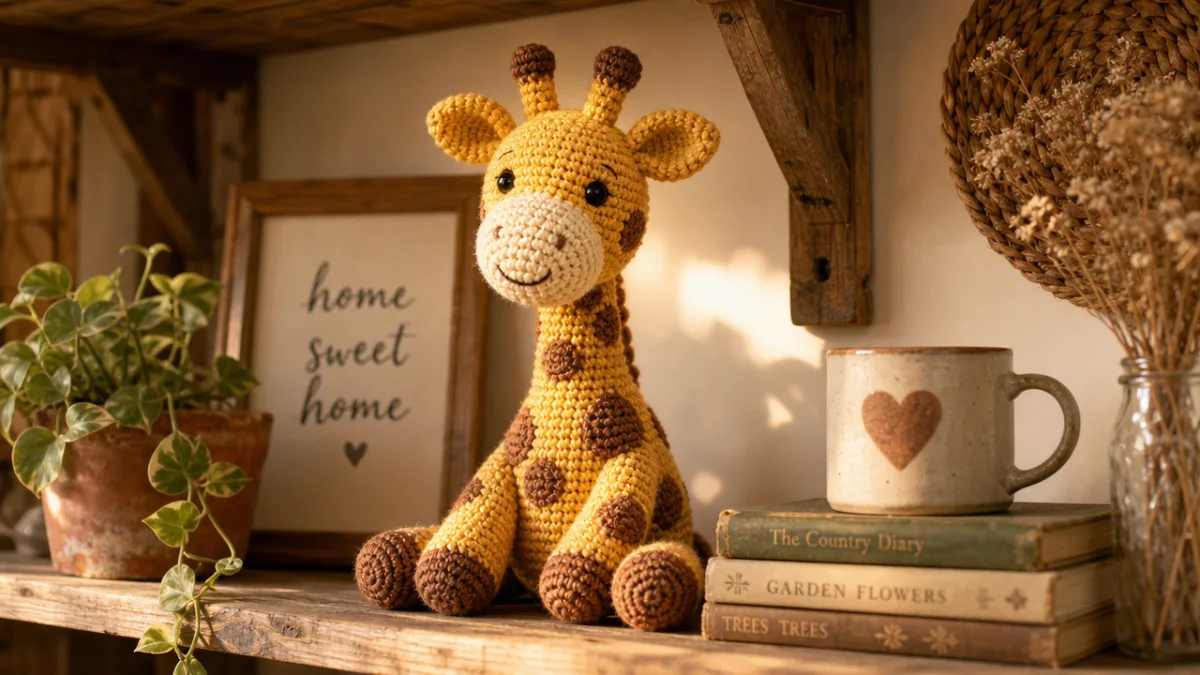
And honestly, the making itself is half the fun. As you work through each part — the long spotty neck, the little rounded body, those tiny ossicones poking up from the head — you start to really appreciate how much thought goes into translating a living animal into something soft and huggable. A lot of crafters say the process is just as enjoyable as holding the finished piece, and there’s real truth to that. It’s the kind of project that quiets your brain in the best possible way.
Giraffe kits are also a fantastic gateway into amigurumi — the Japanese art of crocheting small stuffed animals and characters — which has built up a massive, passionate following all over the world. It’s easy to see why. The giraffe in particular is a brilliant amigurumi subject: those geometric spots, the impossibly long neck, that gentle dopey expression. It’s just interesting enough to keep you engaged without being so complicated that you want to throw it across the room.
What’s Inside a Giraffe Crochet Kit: Breaking Down the Contents
A good giraffe crochet kit takes all the guesswork out of getting started, which is a huge deal if you’re new to this. Right at the core, you’ll find yarn in those warm, sunny yellows, creamy whites, and deep browns that make a giraffe look like, well, a giraffe. Quality kits use soft cotton or acrylic blends that are genuinely nice to work with — they hold their shape well over time and are gentle enough that a child can drag the finished toy around the house without you worrying about it.
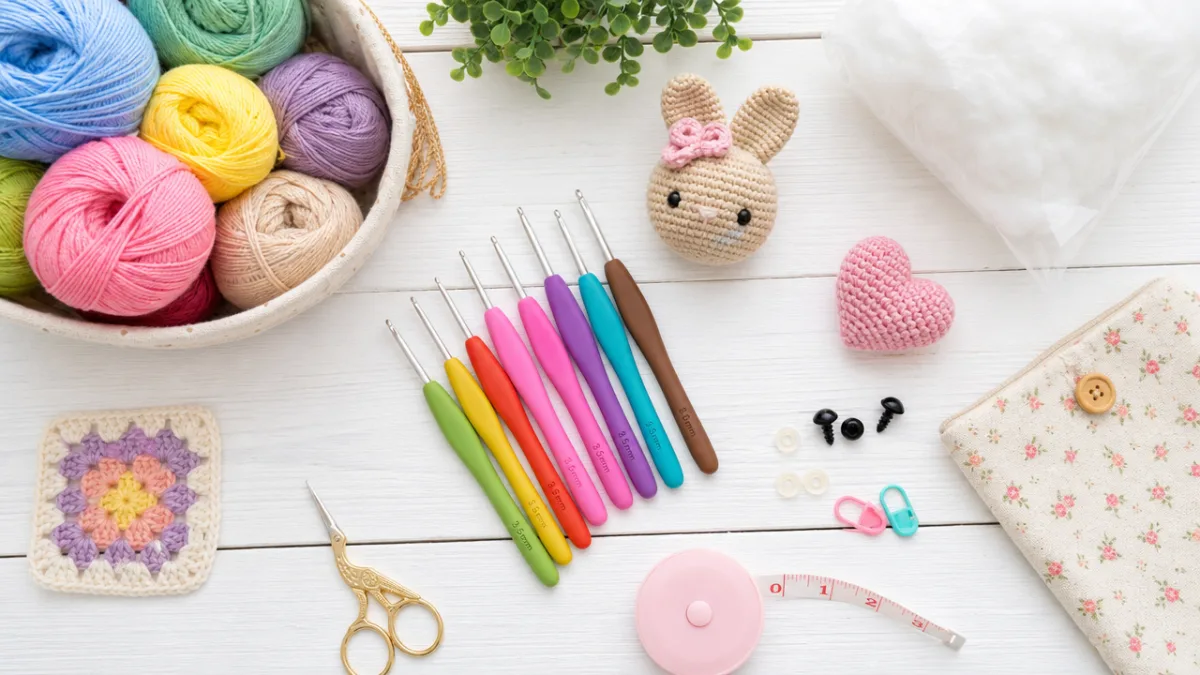
Beyond the yarn, a solid kit will typically throw in a crochet hook that’s the right size for the yarn, polyfill stuffing to make your giraffe satisfyingly plump, and safety eyes sized just right to give it that sweet, soulful look. Many kits also include embroidery thread for the little details — nostrils, a mouth — plus a blunt tapestry needle for sewing everything together and tidying up your ends. Some of the more deluxe versions even add stitch markers, a row counter, and bits of felt for ear linings or hoof details, which is a lovely touch.
But arguably the most important thing in the box is the pattern. A well-written pattern is everything. The best ones walk you through step by step — usually starting with the head, moving through the body and legs, and finishing with assembly — and they include both written instructions and photos or diagrams of what each stage should look like. That visual backup makes it so much easier to catch a mistake before it snowballs. Some kits these days even include a QR code linking to video tutorials, which is an absolute lifesaver if you’re more of a visual learner.
Skill Levels and Learning Curves: Who Can Make a Giraffe Crochet Kit
Here’s the genuinely encouraging part: these kits are accessible to almost anyone. Most are designed with total beginners in mind, easing you into foundational stitches — the magic ring, single crochet, increases and decreases — in a way that actually makes sense. And because amigurumi pieces are three-dimensional and stuffed, they’re surprisingly forgiving. Slight tension wobbles and minor stitch variations that would be glaringly obvious in a flat blanket basically disappear once something is stuffed and shaped. It’s a much kinder first project than it might look.
If you’re at an intermediate level, a giraffe kit still has plenty to offer. Sewing the limbs on at just the right angle, getting smooth color changes for the spot pattern, sculpting an expressive face with embroidery — these things take a bit of skill and patience, and nailing them feels genuinely satisfying. A lot of intermediate crafters also find that building something three-dimensional completely changes how they think about crochet construction, in ways that carry over into bigger and more complex projects.
Even experienced crocheters tend to find value in kits, often using them as a jumping-off point for their own ideas. Maybe they scale the pattern up into a large decorative giraffe, add poseable joints, or design a totally unique spot layout using colorwork. Having the technical framework already laid out actually frees you up to be more creative, not less — your energy can go straight into the expressive, artistic parts. It’s a good reminder that kits aren’t just for beginners.
Benefits Beyond Crafting: Why Giraffe Crochet Kits Make Perfect Gifts
A giraffe crochet kit isn’t just a bag of supplies — it’s an experience in a box, which makes it one of the more thoughtful gifts you can give someone who loves animals, making things, or just working with their hands. Unlike a lot of presents that get used once and end up in a drawer, a crochet kit delivers hours of genuinely enjoyable activity and then leaves the person with something they made themselves. That’s hard to beat. A handmade giraffe carries a kind of sentimental weight that no toy from a shelf ever could.
For kids and teenagers just starting to explore creative hobbies, a giraffe crochet kit can be a real turning point. Learning to crochet builds fine motor skills, sharpens focus, and teaches patience in a way that feels rewarding rather than tedious. Research backs this up — craft-based activities consistently show benefits for cognitive development and emotional resilience in young people. And there’s something quietly powerful about finishing a project like this. Holding a giraffe that you made with your own hands plants a seed of confidence that sticks around.
For adults, especially those going through stressful stretches or just looking for something to do with their evenings beyond scrolling a phone, a giraffe crochet kit is a genuinely useful gift. The repetitive rhythm of crochet is well-documented for its calming, almost meditative effects. You can pick it up on a lunch break, on a train, in the quiet hour before bed. It’s portable, purposeful, and produces something joyful. Giving someone a kit like this is really giving them a little pocket of peace.
- Birthday gifts: A giraffe kit is a wonderfully personal and unique birthday present for animal lovers of any age, combining the fun of unwrapping a gift with the lasting pleasure of a creative project.
- Holiday giving: Crochet kits make ideal holiday gifts because they provide weeks of enjoyable activity during the festive season when people often have more leisure time available.
- Baby showers: A crochet kit gifted at a baby shower allows a new parent or friend to handcraft a unique nursery companion with love and intention for the arriving little one.
- Get-well gifts: For someone recovering from illness or surgery, a crochet kit provides a gentle, absorbing activity that aids recovery by keeping the mind engaged and the hands busy.
- Teacher and colleague appreciation: A beautifully packaged giraffe kit is a thoughtful and original way to show gratitude to someone who deserves a creative treat.
Tips and Techniques for Crocheting Your Perfect Giraffe
Before you make a single stitch, do yourself a favor and read the whole pattern through once. You don’t need to understand every step yet — just get a feel for the overall shape of the project. It’ll flag any techniques you might need to look up ahead of time and give you a mental map of where you’re heading. While you’re at it, lay out all your materials, wind your yarn into balls if it came in hanks, and make sure your hook feels comfortable in your hand. Amigurumi involves a lot of repetitive stitching, and an uncomfortable grip adds up fast.
Tension matters more in amigurumi than in almost any other crochet style, because you need your fabric tight enough that the stuffing doesn’t peek through the gaps. If you tend to crochet loosely, try dropping down half a millimeter in hook size. It’s also worth knowing that amigurumi is traditionally worked in continuous rounds — no joining, no turning — which gives you that smooth, seamless spiral finish. Stitch markers are non-negotiable here; they’re the only way to reliably track where each round starts and ends without losing your mind.
Assembly is where a lot of first-timers get nervous, and honestly it deserves that respect — how you position the legs, ears, and ossicones makes a huge difference to how alive and expressive the finished giraffe looks. Don’t commit to sewing anything until you’ve pinned it in place and stepped back for a look. The eyes especially are worth spending real time on. Moving them even two or three stitches changes the whole character of the face. Go slow here. This is the part that takes your giraffe from “cute craft project” to “thing I’m genuinely proud of.”
- Start with a gauge swatch to understand how your tension compares to the pattern’s requirements, adjusting your hook size accordingly before committing to the full project.
- Use stitch markers generously to track the beginning of each round and any marker-indicated increase or decrease points, which prevents the counting errors that cause misshapen finished pieces.
- Stuff as you go rather than waiting until the end, which allows you to achieve even, consistent firmness throughout the body and prevents the overstuffing or understuffing that distorts the finished shape.
- Weave in ends securely by running your tapestry needle through multiple directions within the fabric rather than just tying a simple knot, which ensures durability especially if the finished giraffe will be handled by children.
- Block gently if needed by lightly misting the finished piece with water and shaping it by hand before allowing it to air dry, which can smooth out any uneven tension in the fabric.
Building a Creative Community: Sharing Your Giraffe Crochet Journey
One of the nicest surprises about starting a giraffe crochet kit is the community you stumble into when you start sharing your progress online. Instagram, Pinterest, and Ravelry are packed with crafters who genuinely want to cheer you on, help you through a tricky section, and show off their own creative spins on the same patterns. Posting a work-in-progress photo — even if it’s just a lopsided head at this point — immediately connects you with people who get it, who understand exactly why you’re simultaneously frustrated and delighted by a tiny crocheted ear.
That community dimension genuinely amplifies how good the whole experience feels. Seeing what other makers have done with the same giraffe pattern — different color palettes, different sizes, little personal touches and embellishments — sparks ideas you wouldn’t have thought of on your own. Commenting, encouraging, answering questions from someone even newer than you: it adds up to real connections built around something you all love. A lot of crafting friendships that started in a comment section have turned into something much more lasting.
And if you fall in love with this project — which most people do — you’ve barely scratched the surface of what’s out there. Safari animals, fantastical creatures, tiny food, beloved characters: the amigurumi world is enormous and wonderfully weird, and a giraffe kit is often the thing that opens the door to all of it. Many dedicated amigurumi artists can trace their whole creative journey back to one kit that grabbed them and didn’t let go. Funny to think it might all start with a ball of yellow yarn and a small metal hook.








What do you think?
It is nice to know your opinion. Leave a comment.