










Thrift Trip: The Ultimate Guide to Thrift Shopping Adventures
What Is a Thrift Trip and Why You Should Take One
A thrift trip is more than just a shopping excursion — it is a deliberate, adventurous journey into the world of secondhand stores, consignment shops, flea markets, and vintage boutiques with the goal of discovering hidden gems at deeply reduced prices. Unlike a routine mall visit, a thrift trip carries the spirit of exploration, where the destination itself becomes part of the experience. People who embrace thrift trips often describe the feeling as something between a treasure hunt and a cultural safari, since you never quite know what you will find once you walk through those doors.
The concept has grown enormously in popularity over the past decade, fueled by a perfect storm of economic awareness, environmental consciousness, and the rise of resale culture on platforms like Depop, Poshmark, and ThredUp. What was once considered a budget necessity has transformed into a lifestyle choice embraced across income levels and age groups. Influencers document their thrift hauls on social media, vintage clothing collectors travel across state lines for estate sales, and interior designers comb through Goodwill outlets hunting for statement furniture pieces to flip or incorporate into client homes.
Whether you are a seasoned thrift veteran or someone curious about dipping a toe into secondhand shopping, organizing a dedicated thrift trip is one of the most rewarding ways to spend a free weekend. It combines the joy of discovery with the satisfaction of responsible consumption, and it is almost always kind to your wallet. The planning, the travel, the digging through racks and shelves — all of it contributes to an experience that feels genuinely earned when you finally uncover that perfect piece hiding beneath a pile of forgotten goods.
Planning Your Thrift Trip for Maximum Success
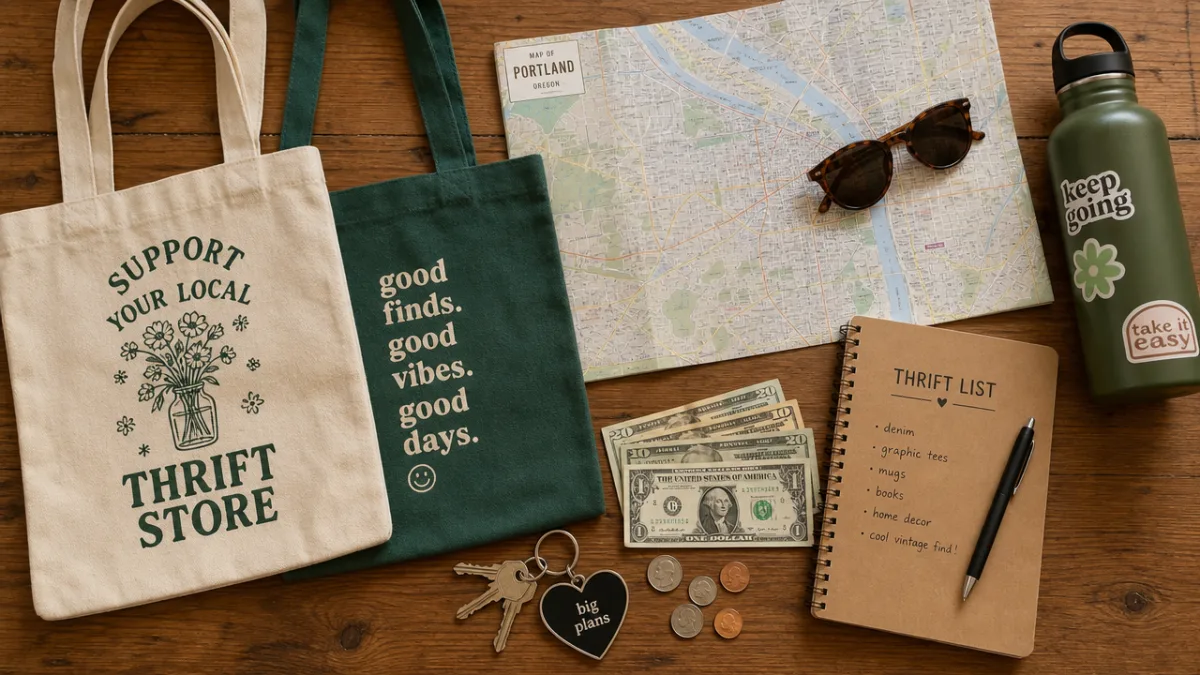
Good planning is the backbone of a successful thrift trip. Before you even leave the house, it pays to do a bit of research on your target locations. Apps like Google Maps, Yelp, and specialized thrift-store finders such as ThriftTrove or iThrift can help you map out a cluster of stores within a reasonable driving radius. The goal is to create a logical route that allows you to hit multiple spots in a single day without wasting time backtracking or sitting in traffic. Many experienced thrift shoppers plan their routes the night before, checking store hours and noting any weekly sale days that certain shops designate for extra discounts.
Setting a budget before you head out is equally important, because the affordability of thrift shopping can create a false sense that spending is unlimited. Individual items are cheap, but those dollars add up quickly when you are excited and filling a cart. A practical approach is to divide your total budget into categories — a certain amount for clothing, a set amount for home goods, and a small flex fund for unexpected finds. Bringing cash can also help you stay disciplined, since handing over physical bills tends to create more spending awareness than swiping a card at every checkout.
Equally valuable is knowing what you are looking for before you walk in. This does not mean you need a rigid shopping list, but having a mental shortlist of items you genuinely need or have been searching for gives your trip direction and prevents you from filling bags with things you do not actually want. Common pre-trip considerations include checking your wardrobe for gaps, measuring furniture spaces at home, and noting specific styles, eras, or brands you tend to gravitate toward. The more intentional your starting point, the more satisfying and curated your final haul will be.
What to Look for When You Are Inside the Store
Once you are inside a thrift store, the sheer volume of merchandise can feel overwhelming. Racks stretch from wall to wall, shelves are piled with mismatched goods, and the organization often follows its own internal logic that takes a few visits to decode. The most effective way to navigate this environment is to slow down and be methodical. Start with the sections most relevant to your shortlist, but leave enough time to wander through areas you do not usually explore, because unexpected categories frequently yield the best surprises. A kitchen section might harbor a beautiful mid-century ceramic, and the book aisle might have a first-edition paperback worth far more than its fifty-cent sticker.
When shopping for clothing, learning to inspect garments quickly and thoroughly is a skill that develops over time. Pull items from the rack and check the fabric content label, look at the seams and stitching, examine underarms and cuffs for staining or thinning, and zip or button anything that has closures to ensure they still function. Natural fabrics like wool, linen, silk, and cotton almost always hold their value and quality better than synthetic blends, and they tend to respond better to alterations if the fit needs adjustment. Brand labels are worth noting too, though a great thrift shopper knows that quality is not always determined by the name on the tag.
For home goods and furniture, condition assessment is everything. A beautiful piece with structural damage may cost more to repair than it is worth, while a visually unremarkable item in excellent working condition can be transformed with paint, new hardware, or reupholstery into something stunning. When examining furniture, check the joints for wobbling, inspect drawer slides, look for signs of water damage or mold on the underside, and sit in any chairs or sofas to test actual comfort and stability. Books, records, and media items should be flipped open or examined for scratches before purchase, since the condition of those items determines their entire value.
The Environmental Case for Thrift Shopping
One of the most compelling and frequently discussed reasons to embrace thrift shopping is its positive environmental impact. The fashion industry alone is one of the world’s largest polluters, responsible for an estimated ten percent of global carbon emissions and producing somewhere between 80 and 150 billion garments per year — far more than the global population could ever need. Fast fashion brands engineer disposability, relying on low-quality construction and rapidly cycling trend cycles to keep consumers buying more. Every secondhand purchase is a direct vote against this system, diverting clothing from landfills and reducing the demand for new production.
The lifecycle of a garment extends dramatically when it passes through the secondhand market. A piece of clothing that might have ended up in a landfill within two years of purchase gets a new chapter when someone discovers it at a thrift store and gives it years more of use. Studies by organizations tracking textile sustainability have found that extending the life of a garment by just nine additional months reduces its carbon, water, and waste footprint by approximately twenty to thirty percent. Multiply that across millions of thrift shoppers making millions of purchases, and the aggregate environmental benefit becomes genuinely significant at a systemic level.
Beyond clothing, the secondhand economy for furniture, electronics, books, and household goods similarly reduces the demand for new manufacturing and keeps usable materials out of waste streams. Buying a used wooden bookshelf means one fewer tree felled and one fewer manufacturing run powered by fossil fuels. Choosing a pre-owned appliance means one fewer unit in the production pipeline. These may seem like small individual choices, but consumer behavior patterns at scale have historically driven real shifts in industrial practice, and the growth of the resale market has already begun to pressure some brands toward more sustainable sourcing and production methods.
There is also a deeply local economic dimension to secondhand shopping worth acknowledging. Many independently operated thrift stores, consignment shops, and vintage boutiques are community anchors — they employ local workers, donate proceeds to charitable causes, and circulate money within neighborhoods rather than funneling it to distant corporate headquarters. Shopping at these stores is simultaneously an environmental choice and a community investment, reinforcing local economies in ways that large retail chains structurally cannot replicate.
Building Your Personal Thrift Shopping Style
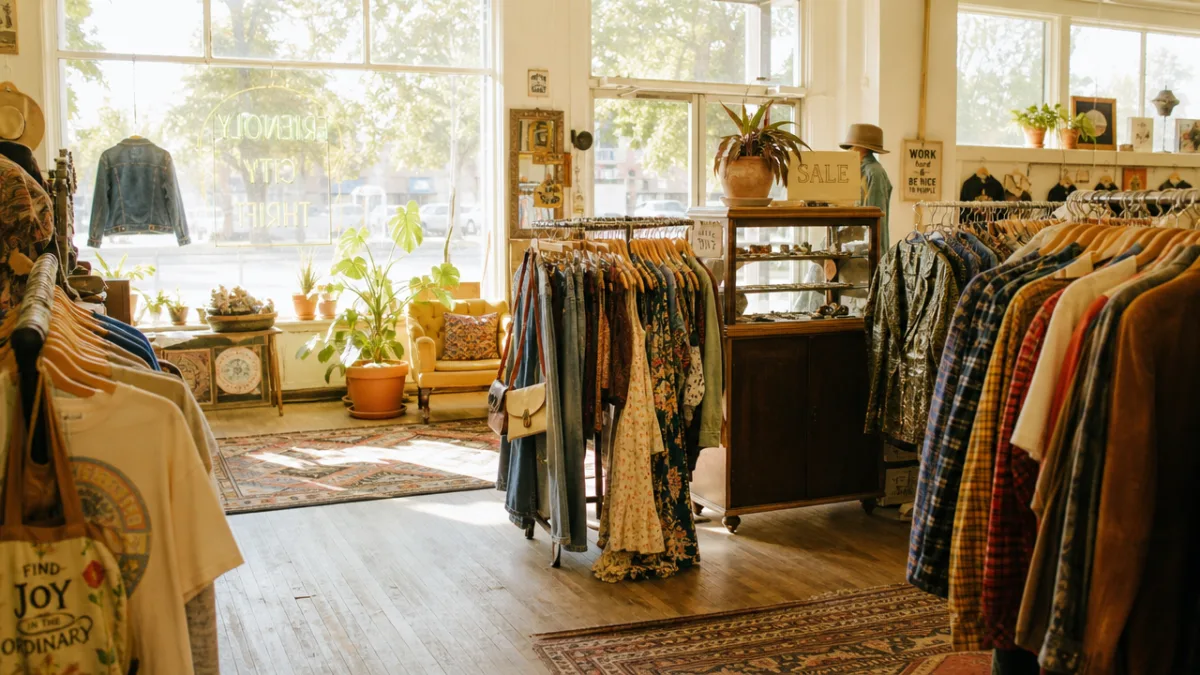
One of the most exciting byproducts of regular thrift shopping is the development of a truly personal aesthetic. When you are not constrained by the curated seasonal collections of retail stores, your wardrobe or home can become an authentic expression of your actual tastes rather than a reflection of whatever trend a marketing team decided to push this quarter. Thrift shopping forces you to engage actively with each item — to ask whether you genuinely love something — rather than simply accepting what the store has decided is stylish right now. Over time, this practice sharpens your eye and your confidence in your own preferences.
Many thrift shoppers develop what enthusiasts call a “trained eye” — the ability to move quickly through a rack or shelf and spot quality or potential almost instinctively. This skill is cultivated through repetition and a willingness to handle a wide variety of items. The more you pick things up, try them on, and assess them, the faster your pattern recognition becomes. You start to know immediately when a fabric feels right, when a silhouette has bones that will work on your body, or when a piece of furniture has the lines of something worth restoring. It is a genuinely transferable skill that improves your consumer judgment far beyond the walls of any thrift store.
Mixing thrifted pieces with new items is also an art form that many style-conscious shoppers have mastered beautifully. A vintage blazer paired with modern slim trousers and clean white sneakers looks polished and intentional. A thrifted mid-century lamp on a contemporary minimalist shelf creates visual interest and texture. The key is treating secondhand pieces not as compromises but as deliberate choices — anchors of character in spaces and outfits that might otherwise feel generic. Developing this integrative eye transforms thrift shopping from a budget activity into a genuine creative practice.
Tips for Making the Most of Every Thrift Trip
Experienced thrift shoppers have accumulated a wealth of practical wisdom through years of regular trips, and much of it can shortcut the learning curve for newcomers considerably. One of the most universally shared pieces of advice is to go often and go early. Thrift stores receive donations and restock their floors on a rolling basis, meaning the inventory changes constantly. Shoppers who visit the same stores regularly are far more likely to catch newly processed items before anyone else does. Early morning visits, especially on weekdays, tend to yield better selection and more relaxed browsing conditions than busy Saturday afternoons.
Another widely shared tip is to try everything on without exception, regardless of the tagged size. Vintage and secondhand clothing spans decades of sizing conventions, which were far from standardized. A garment labeled a size 14 from the 1970s may fit very differently than a contemporary size 14, and international sizing adds further complexity. The only reliable measure is how the item fits your actual body in the fitting room, not the number on the label. Similarly, do not be discouraged by items that are close but not perfect — small alterations like hemming, taking in a seam, or replacing buttons can transform a near-miss into a perfect piece at minimal additional cost.
Here are some additional practical tips that seasoned thrift shoppers swear by:
- Wear form-fitting, easy-to-remove clothing on thrift days to make trying things on as quick and efficient as possible.
- Bring a measuring tape when hunting for furniture or home goods, and keep the measurements of key spaces in your home saved on your phone.
- Check the store’s sale schedule — many Goodwill and Salvation Army locations run color-tag rotational sales that can drop prices by fifty percent or more on specific days.
- Inspect electronics with the store’s test outlets or ask staff before purchasing, as returns on electronics are often not accepted.
- Follow your local thrift stores on social media, where many now post previews of notable incoming donations or announce special sale events.
- Bring a large reusable tote or a rolling cart for larger hauls, avoiding the fumbling with armloads of merchandise while trying to browse.
Finally, embrace the mindset that not every trip will be a triumph, and that is perfectly fine. Some days the racks are picked clean or the new stock simply does not speak to you, and that is part of the rhythm of thrift shopping. The best thrift shoppers treat these quieter days not as failures but as reconnaissance missions — a chance to learn the layout of a new store, to refine your sense of what you are looking for, or simply to enjoy the process without the pressure of needing to come home with something. The cumulative practice of showing up consistently is what ultimately yields the great finds, the unexpected scores, and the stories that every devoted thrift shopper loves to tell.
Making Thrift Shopping a Social and Community Experience
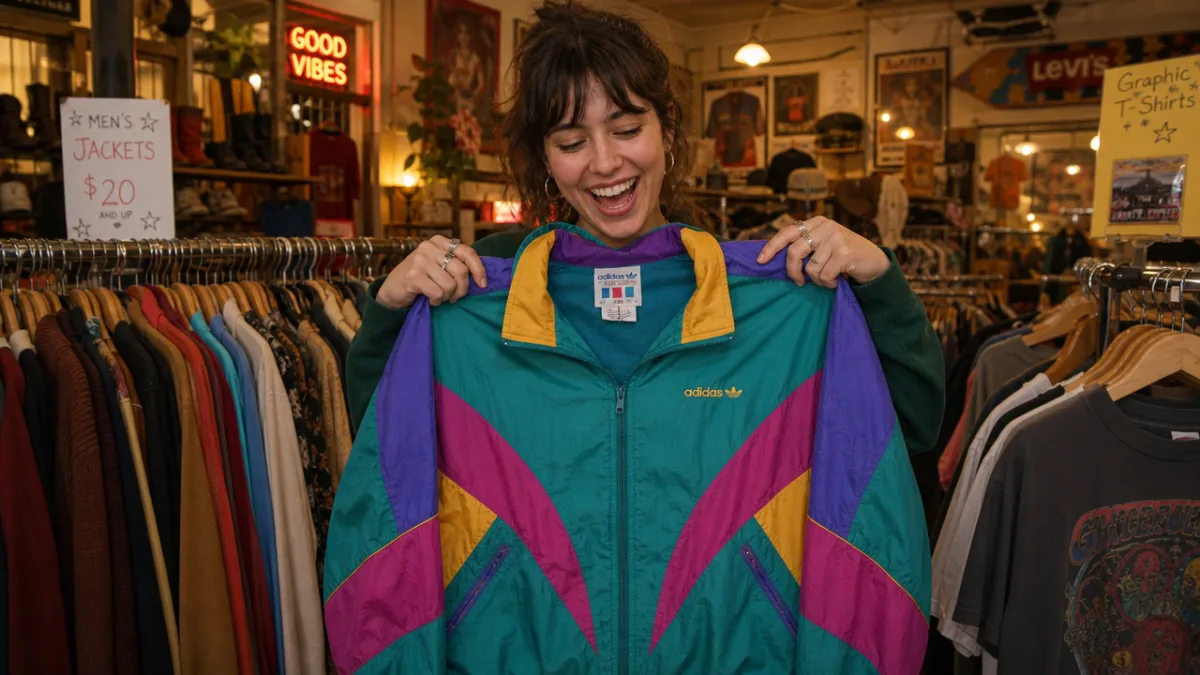
Thrift shopping does not have to be a solitary activity, and for many people the social dimension of a group thrift trip is half the appeal. Going with friends whose style you admire creates a collaborative dynamic where people pull items for each other, offer honest feedback in the fitting room, and collectively raise the energy of the whole outing. Friends often spot things for each other that they would have walked right past on their own, and the shared excitement of a great find is genuinely contagious. Many lasting friendships and creative partnerships have been sparked over the shared language of vintage denim or a mutually appreciated piece of mid-century kitchenware.
Community thrift events have also grown into meaningful local institutions in many cities. Clothing swaps, where participants bring items from their own closets to exchange with others, operate on the same spirit of secondhand circulation but with an even lower barrier to entry since no money changes hands at all. Pop-up vintage markets bring together independent sellers and thrift enthusiasts in curated environments, often paired with food vendors, live music, and a festival atmosphere that turns the act of buying secondhand into a full community celebration. Following local event pages and neighborhood newsletters is a good way to stay connected to these opportunities as they arise throughout the year.
For those interested in turning their thrift habits into something more entrepreneurial, the resale community offers a wealth of learning resources. Online forums, YouTube channels, and dedicated podcasts walk through everything from sourcing strategies and pricing to photographing items for resale and managing inventory. Many resellers started as casual thrift shoppers who discovered they had a knack for identifying undervalued items and a market of buyers eager to purchase them. Whether or not you ever sell a single item, engaging with this broader community deepens your knowledge, refines your eye, and connects you with people who share your enthusiasm for the world of secondhand — a world that, once you enter it seriously, is remarkably difficult to leave.








What do you think?
It is nice to know your opinion. Leave a comment.