










11 Vintage Farmhouse Window Ideas to Transform Your Home
The Timeless Appeal of Vintage Farmhouse Windows
There is something deeply comforting about the aesthetic of a vintage farmhouse window. Whether you live in a sprawling rural property or a cozy urban bungalow, the charm of aged wood frames, wavy antique glass, and rustic hardware has a way of grounding a space in history and warmth. Farmhouse design has surged in popularity over the past decade, but the window details that make it truly authentic are often overlooked in favor of broader decorating choices. Getting those windows right can completely change the personality of a room.
Vintage farmhouse windows carry with them a sense of story and lived-in character that simply cannot be replicated by brand-new materials alone. The slight imperfections in old glass, the layers of paint on a wooden sill, the creak of a casement latch — these are the details that make a home feel genuinely loved and inhabited over time. When you incorporate these elements thoughtfully, you are not just decorating a room; you are connecting it to a broader tradition of American rural craftsmanship that spans well over a century of architectural history.
Beyond their visual appeal, vintage farmhouse windows also serve remarkably practical purposes. Many original farmhouse window designs were engineered for cross-ventilation, maximizing airflow during warm months before air conditioning was commonplace. Double-hung sashes, for example, allow both the top and bottom panels to open, pulling hot air out from the top while drawing cooler air in at the bottom. Understanding these design intentions can help you make smarter choices when selecting or restoring windows for your own home renovation project.
Repurposed Barn Windows as Interior Décor
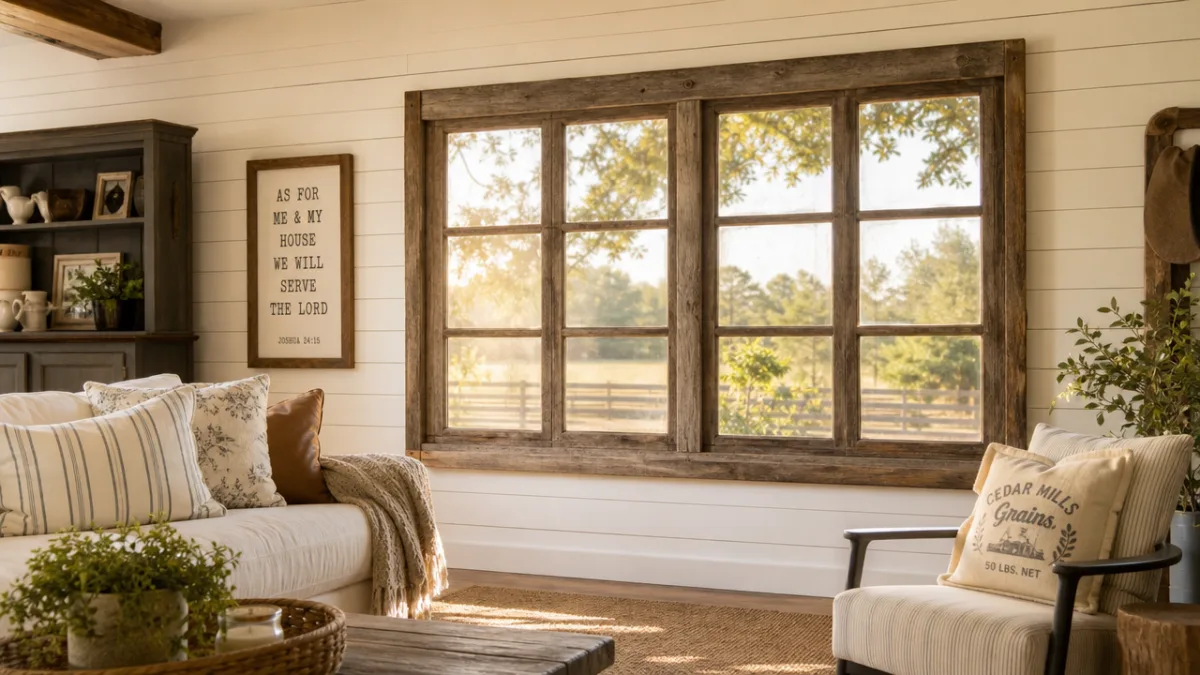
One of the most beloved trends in farmhouse decorating is the use of salvaged barn windows as interior design elements. These weathered frames, often recovered from old outbuildings and storage structures, bring an irreplaceable patina that tells a story of decades of wind, rain, and sunlight. When mounted on an interior wall, a large reclaimed barn window can function as a dramatic focal point, adding architectural interest to an otherwise plain surface without requiring any structural changes to the room itself.
Repurposed barn windows work particularly well in open-plan living areas, farmhouse kitchens, and master bedrooms where you want to create a sense of rustic elegance. Many homeowners choose to install them as pass-through openings between the kitchen and dining area, mimicking the look of a genuine window while also improving the flow of a space. Others mount them flat against a wall and hang small succulents, string lights, or dried flower arrangements from the frame to create a living décor piece that changes with the seasons throughout the year.
When sourcing repurposed barn windows, architectural salvage yards, estate sales, and online marketplaces like Facebook Marketplace or local classified sites are excellent starting points. Look for frames made from old-growth pine, oak, or chestnut, as these hardwoods age beautifully and offer superior structural integrity compared to softer modern lumber. Before installing any salvaged window indoors, inspect it carefully for lead paint, especially if the piece dates from before 1978, and take appropriate precautions to seal or strip the surface safely before bringing it into a living environment.
Classic White-Painted Wood Casement Windows
Few design choices are as classically farmhouse as a white-painted wood casement window flanked by simple interior shutters. This look, which has its roots in early American colonial and Federal architecture, translates effortlessly into both traditional farmhouse settings and modern farmhouse interiors. The crisp white of the painted frame contrasts beautifully against natural wood floors, exposed ceiling beams, and linen or cotton curtain panels, creating a visual freshness that feels both timeless and effortlessly chic in virtually any room of the house.
The key to achieving the authentic farmhouse casement window look lies in the details of the molding and hardware. Traditional farmhouse windows were typically framed with simple, flat or slightly stepped casing rather than the ornate crown moldings associated with Victorian or Craftsman styles. A clean, substantial window casing painted in the same bright white as the frame creates a pleasing sense of architectural continuity. Pair this with oil-rubbed bronze or wrought iron hardware — such as hinges, latches, and sash lifts — and the period-appropriate character really begins to come through in a genuinely compelling way.
When choosing paint for farmhouse window frames, opt for a high-quality exterior-grade enamel even on interior windows, as it offers far better durability and a harder finish than standard interior paint. Shades like Benjamin Moore’s Chantilly Lace or Sherwin-Williams’ Extra White deliver the crisp, clean look associated with classic farmhouse style without veering into the slightly blue or gray undertones that can make a room feel unexpectedly cold. Proper preparation, including thorough sanding and priming of the wood, is essential to achieving a finish that will last for years without chipping or peeling.
Window Boxes and Exterior Farmhouse Charm
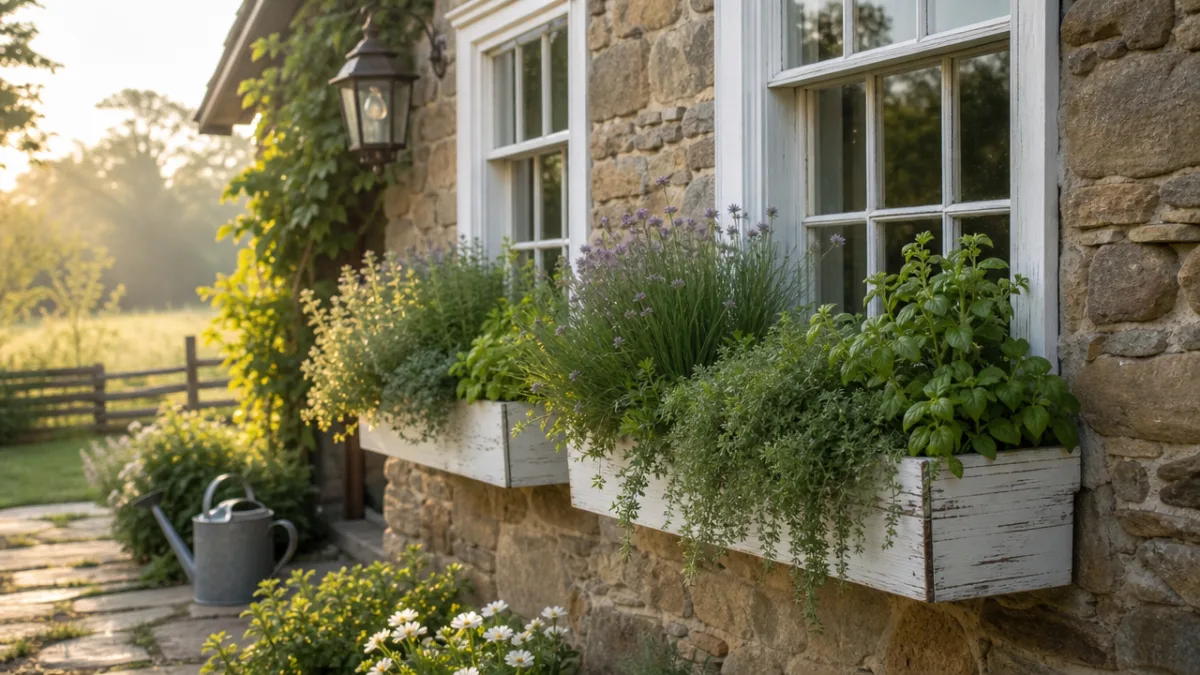
No discussion of vintage farmhouse windows would be complete without addressing the transformative power of the humble window box. Mounted beneath a farmhouse window, a well-planted window box filled with trailing herbs, cottage flowers, or seasonal greenery instantly adds a layer of charm and warmth to any home’s exterior. This tradition stretches back centuries in both European and American rural architecture, and it remains one of the most cost-effective ways to dramatically improve curb appeal without undertaking a major renovation project.
For an authentically vintage farmhouse look, choose window boxes made from cedar, redwood, or reclaimed wood rather than plastic or vinyl alternatives. These natural materials weather gracefully over time, developing a silver-gray patina that complements the aged character of traditional farmhouse architecture. Build or select boxes with simple construction — tongue-and-groove boards, a slightly pitched bottom for drainage, and galvanized hardware — to maintain the utilitarian honesty that defines authentic farmhouse design at its best. Paint them to match your window trim, or leave them natural for a more relaxed, organic appearance.
Planting choices for farmhouse window boxes should lean toward the unpretentious and the practical. Herbs like lavender, thyme, rosemary, and basil were historically grown in window boxes on working farms for easy kitchen access, and they remain beautiful, fragrant, and functional today. For flowering options, consider old-fashioned cottage garden favorites such as nasturtiums, sweet alyssum, trailing verbena, and petunias in soft blush, white, or deep burgundy tones. Avoid overly exotic or tropical plants, which can feel at odds with the humble, grounded character of vintage farmhouse aesthetics.
- Cedar and redwood window boxes age beautifully and resist moisture naturally
- Galvanized hardware adds period-appropriate detail and excellent corrosion resistance
- Trailing plants like sweet potato vine or cascading petunias add generous visual fullness
- Herbs serve double duty as both decorative elements and functional kitchen resources
- Seasonal replanting keeps the look fresh while honoring the farmhouse tradition of working with the land
Using Vintage Windows as Room Dividers
Vintage farmhouse windows make extraordinarily versatile room dividers, offering a way to define separate zones within an open floor plan while maintaining a sense of visual openness and architectural interest. A series of salvaged windows, hinged together like a folding screen, can create a lightweight and movable partition between a living area and a home office, or between a dining space and an entryway. Because the glass panels allow light to pass through, the division feels elegant and airy rather than heavy or confining in the way a solid wall often does.
Floor-to-ceiling installations of multiple vintage windows framed together are particularly striking in large farmhouse kitchens and converted barn spaces. When arranged in a grid pattern and mounted on a low knee wall or simply stood upright in a channel track, these window assemblies evoke the look of an old greenhouse or potting shed, bringing an immediate sense of pastoral charm into even a thoroughly modern interior. The combination of aged wood frames and slightly imperfect antique glass creates a layered visual texture that cannot be replicated by any manufactured product currently available on the market.
For a more architectural and permanent approach, some homeowners are incorporating vintage window frames directly into new partition walls, using them as interior windows between rooms. This technique, common in older farmhouses where an interior window between the kitchen and pantry or bedroom and hallway allowed light to travel deeper into the house, is experiencing a wonderful revival in contemporary farmhouse renovations. When the frames are original to the property or salvaged from a similar era structure, the result feels deeply authentic and adds immeasurable character to the home.
Hardware, Hinges, and Authentic Farmhouse Details
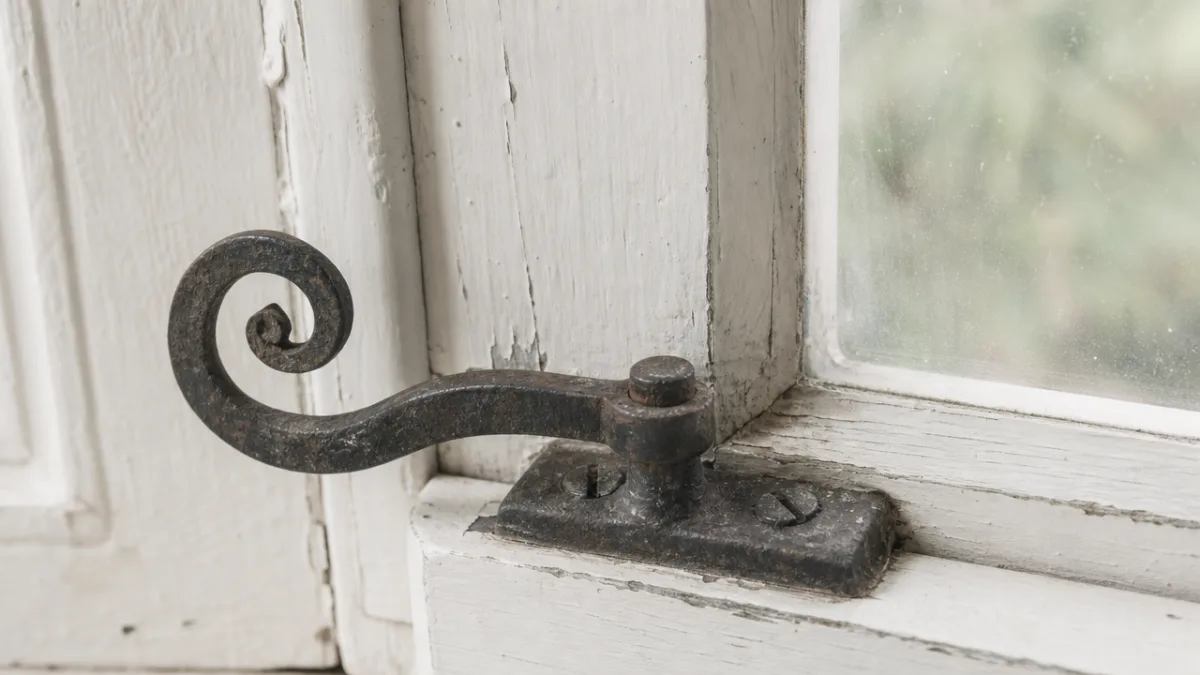
The hardware chosen for vintage farmhouse windows is every bit as important as the frames themselves in achieving an authentic and cohesive aesthetic. Wrought iron and cast iron were the materials of choice in traditional American farmhouse construction, and their dark, slightly matte finish provides the perfect counterpoint to white-painted wood and natural linen textiles. Reproduction hardware in these materials is widely available today, but if you have access to genuinely aged original pieces — whether through salvage yards, antique shops, or estate sales — they will bring an irreplaceable depth and patina that elevates the entire room.
Beyond purely decorative considerations, choosing quality hardware for farmhouse windows has real functional implications as well. Original-style sash locks, for instance, were designed to compress the meeting rails of a double-hung window firmly together, improving both the security and the weather-tightness of the closed sash. Good reproduction versions of these locks function just as well as their antique counterparts, providing a satisfying click and solid feel that modern cam locks or lever handles simply cannot replicate in the same tactile and visually gratifying way.
Some of the most characterful details in vintage farmhouse window hardware are also the smallest. Hand-hammered surface hinges on interior shutters, hand-forged shutter dogs mounted on the exterior wall to hold shutters open in the breeze, and simple ring pulls on wooden interior shutter panels — all of these elements contribute to the layered, handcrafted feeling that distinguishes a genuinely thoughtful farmhouse interior from one that is merely surface-deep in its stylistic commitments. Sourcing these details carefully and installing them with attention to scale and proportion makes an enormous difference in the final result.
- Start with wrought iron or cast iron for window latches, hinges, and sash lifts
- Look for hand-hammered finishes rather than machine-stamped reproduction hardware
- Consider patinated bronze as a warmer alternative to iron in lighter-toned farmhouse interiors
- Match hardware finish consistently across all windows in a single room for visual cohesion
- Prioritize functional quality alongside aesthetics, particularly for operable sash hardware
- Source genuine antique hardware from salvage dealers when possible for maximum authenticity
Curtains, Textiles, and Window Treatments for Farmhouse Style
The window treatment you choose for a vintage farmhouse window is the finishing layer that brings the entire design vision together. Traditional farmhouse interiors favored simple, unpretentious textiles — white cotton muslin, unbleached linen, and lightweight chambray were far more common than velvet drapes or ornate swags. These materials filter light beautifully, allowing the quality of natural daylight to remain at the center of the room’s atmosphere while softening the transition between indoor and outdoor environments throughout the changing hours of the day.
For a truly authentic vintage farmhouse look, consider simple rod-pocket curtain panels hung from a plain iron or wooden rod without elaborate finials or rings. The fabric should be allowed to fall straight and slightly full, with just enough gather to look relaxed rather than tailored. Lengths vary historically — café curtains covering only the lower half of the window are a classic farmhouse solution that provides privacy at street level while still allowing abundant light to flood the upper portion of the room through its lovely, unobstructed upper glass panels.
Layering window treatments adds depth and versatility to a farmhouse room throughout the seasons. A simple roller shade or Roman shade in a natural woven fabric can be mounted inside the window frame to provide light control and privacy when needed, while the outer curtain panels remain purely decorative. In winter months, adding a layer of heavier linen or cotton canvas panels can help reduce drafts around older window frames without obscuring the vintage character of the wood. The overall effect should always feel relaxed, honest, and slightly imperfect — hallmarks of the farmhouse aesthetic at its very finest.
Restoring Original Farmhouse Windows Versus Replacing Them
One of the most consequential decisions a farmhouse homeowner faces is whether to restore original vintage windows or replace them with modern alternatives. The restoration camp argues — with considerable merit — that original windows, particularly those made from old-growth timber, are often structurally superior to modern replacements and can be made weathertight and energy-efficient with proper restoration techniques. The unique character of antique glass, with its subtle waves and distortions, cannot be replicated by any modern manufacturing process, and losing these panes represents an irreversible architectural loss.
Restoration typically involves stripping old paint, repairing or replacing rotted wood sections with well-matched timber, re-glazing any cracked or missing panes with period-appropriate glass, replacing worn weatherstripping with modern alternatives, and refinishing the frames with high-quality paint or linseed oil-based coatings. A skilled carpenter can often restore an original farmhouse window to excellent working condition for a fraction of the cost of a high-quality replacement window, and the result will be far more sympathetic to the character of the building as a whole.
That said, there are circumstances where replacement is the more practical and responsible choice, particularly when frames are severely compromised by rot, insect damage, or structural failure beyond the point where repair is economical. In these cases, seek out reproduction windows that accurately replicate the divided-light configuration, frame proportions, and hardware details of the originals rather than defaulting to generic modern double-pane units. Several specialty manufacturers produce historically accurate reproduction windows in both wood and wood-clad configurations that are far more sympathetic to vintage farmhouse architecture than standard builder-grade replacement windows could ever realistically hope to be.








What do you think?
It is nice to know your opinion. Leave a comment.