










25 Impressive Upcycled Old Sewing Machine Ideas to Transform Your Home and Garden
The Art of Upcycling: Why Old Sewing Machines Deserve a Second Life
There’s something about an old sewing machine that just gets you. Maybe it belonged to your grandmother, or you spotted one at a flea market for a few bucks, or a neighbor was tossing one out. Whatever the story, these machines have a way of stopping you in your tracks. They were built in an era when things were actually made to last — think ornate cast-iron treadle bases, beautiful wooden cabinets, intricate scrollwork. Throwing something like that away feels almost wrong. And that’s exactly why the upcycling world has embraced them so enthusiastically.
Upcycling isn’t just a trend people jump on and forget about. It’s really more of a mindset — a way of looking at old stuff and seeing possibility instead of junk. And when you apply that mindset to vintage sewing machines, the possibilities genuinely surprise you. The iron bases, the smooth wood, the decorative details, the mechanical parts — all of it becomes raw material for something new. Instead of letting these pieces rot in storage or end up in a landfill, upcycling gives them a whole new purpose that actually honors how well they were made in the first place.
From a sustainability standpoint, repurposing an old sewing machine is one of the smarter decisions a home decorator can make. Think about what went into building these things — iron, hardwood, brass, steel. That’s a huge investment of energy and material. By finding new uses for them, you’re extending their lifespan indefinitely, cutting down on demand for newly manufactured furniture, and keeping genuinely interesting historical objects in the world where people can enjoy them. This article rounds up 25 of the most creative and impressive ways people have transformed old sewing machines into something worth talking about — both indoors and out in the garden.
Functional Furniture: Sewing Machine Tables Reimagined
Turning a vintage sewing machine into furniture is probably the most natural leap you can make. When you look at a treadle base — that elegant iron frame with its decorative filigree and solid cross construction — you’re basically already looking at a table base. It’s just waiting for the right top. A lot of upcyclers have figured this out and started pairing treadle bases with reclaimed wood slabs, thick glass panels, or old barn wood to create tables that no furniture store could ever replicate. The result is a piece that has a story and actually does something useful every day.
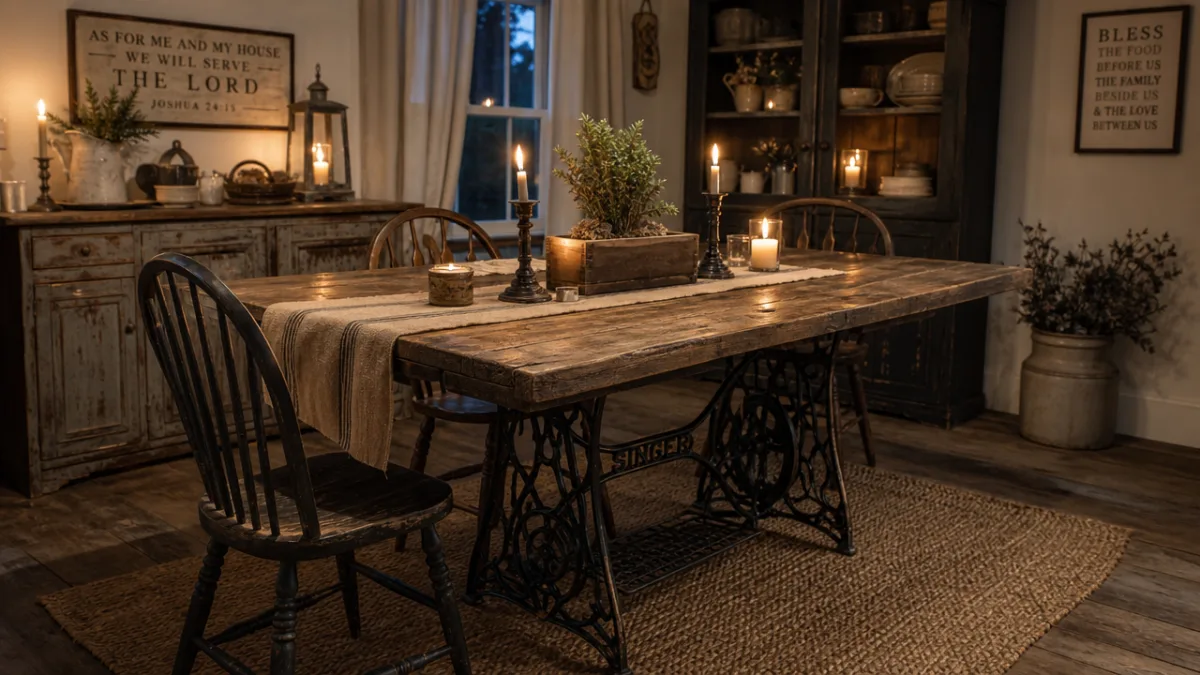
Dining tables built on treadle bases have gotten especially popular with interior designers who love that industrial-chic or farmhouse look. The contrast between ornate ironwork and a rough, unfinished wood top hits this sweet spot between rustic and refined that’s really hard to achieve any other way. Some people keep the original sewing machine head and work it right into the tabletop so guests can get a close look at the mechanics. Others pull the head completely and just use the base with a larger surface to fit a full dining set around it. Both approaches work beautifully.
Console tables are another great fit, especially for entryways and hallways where you don’t have a lot of room to work with. A treadle base with a slim marble slab on top makes an entry table that people will ask about every single time they visit. Coffee tables and sofa tables work on the same principle, and a lot of upcyclers find that adding a lower glass shelf to the base creates handy storage for books, magazines, or decorative objects. Honestly, the versatility of these bases is kind of remarkable — you can pair almost any flat surface with one and end up with something that looks intentional and beautiful.
Garden and Outdoor Transformations: Bringing Sewing Machines Outside
Here’s where things get genuinely surprising. Placing a vintage sewing machine out in the garden — surrounded by climbing vines, flowers, and greenery — creates this almost magical effect, like time just stopped and nature quietly grew up around it. Garden designers who’ve tried this will tell you it works better than you’d expect, and once you see it, you completely understand why. When properly sealed and treated for the elements, these old machines make extraordinary focal points in cottage gardens, wildflower beds, and even more formal garden layouts.
Turning them into planters is one of the most popular ways to bring sewing machines outside. Those drawer compartments that sit beneath treadle-style cabinets? They’re practically begging to be filled with soil. Succulents, herbs, or trailing petunias spilling over the edges of old wooden drawers create this layered, textural display that feels both wild and curated at the same time. Some gardeners go even further and gut the machine’s internal workings to create a hollow vessel for a large planting container, essentially turning the whole cabinet into one dramatic planter for shrubs or ornamental grasses. It sounds ambitious, but the results are stunning.
Birdbaths and small water features made from sewing machine parts have also picked up a lot of attention on social media and in home design magazines. The round bobbin winding mechanisms combined with shallow decorative dishes make surprisingly charming birdbaths that actually attract wildlife. And some creative upcyclers have built small fountains by running tubing through the hollow legs of treadle bases so water trickles gently from the machine head down into a basin below. The combination of that soft water sound and the visual weight of the old machine creates a garden feature that feels genuinely special — the kind of thing people linger near.
Lighting and Decorative Accents: Sewing Machines as Statement Pieces
The sculptural quality of a vintage sewing machine makes it a natural fit for lighting projects. Those sweeping curves on cast-iron treadle bases, the elegant silhouette of the machine head, the decorative inlay work — it’s all essentially a ready-made framework for light fixtures. Industrial-style pendant lamps made from sewing machine components have become genuinely sought-after in boutique lighting shops and on sites like Etsy, with skilled makers able to charge serious money for their handmade pieces. And honestly, looking at the results, it’s easy to see why.
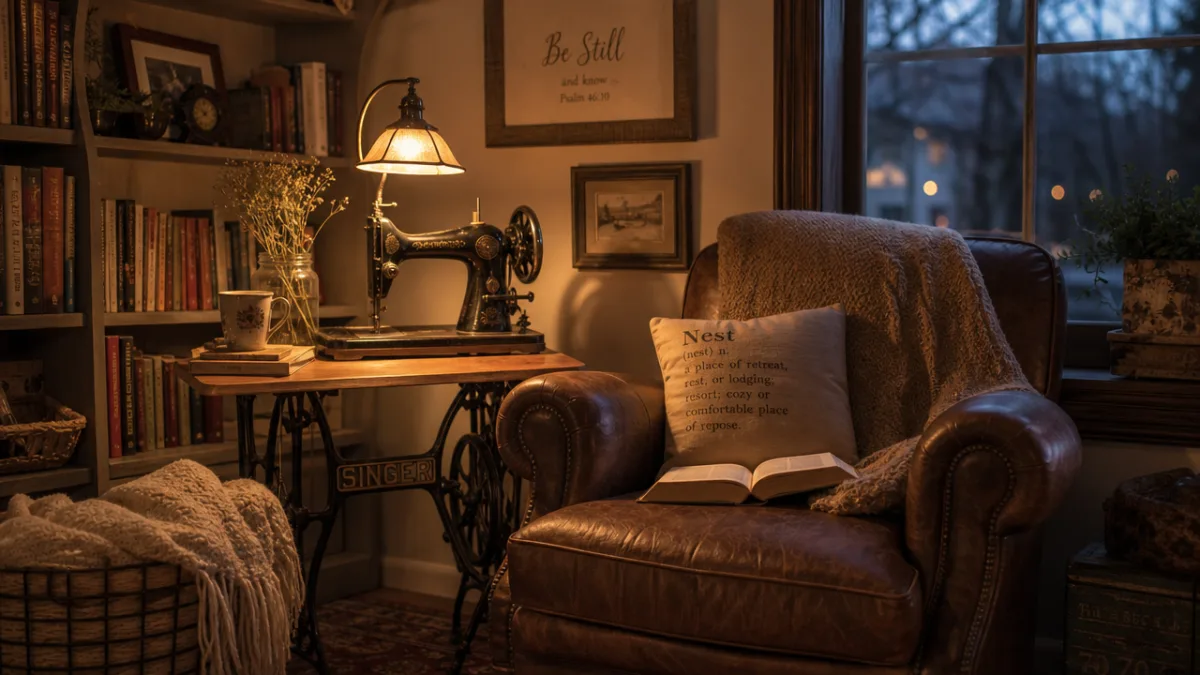
Table lamps made from upright sewing machine heads are some of the most striking examples out there. By threading electrical wire through the machine’s existing internal channels, you can mount a socket and shade directly onto the machine body without disrupting its shape. The result looks like the lamp always existed this way — like someone designed it from scratch to look exactly like that. Edison bulbs are a particularly good pairing here, since their warm amber glow plays perfectly off the aged patina of iron and brass you find on most vintage machines.
Beyond lighting, old sewing machines work beautifully as display stands and decorative accents throughout the home. A well-preserved treadle machine tucked into the corner of a study or library immediately changes the feel of the whole room in a way that a brand-new piece of furniture simply can’t. A lot of collectors arrange vintage thimbles, thread spools, and fabric scraps around their preserved machines to build little curated vignettes that celebrate the history of textile work. Others use the flat cabinet surface as an elevated platform for houseplants, framed photos, or sculptural objects — the slightly unusual height makes displayed items feel more considered and intentional.
Creative Repurposing: Unexpected and Inventive Sewing Machine Projects
Some of the most exciting sewing machine upcycles are the ones that completely throw you off guard — projects where someone looked at an old machine and imagined something so different from the original that you almost can’t connect the two. These ideas push what upcycling can actually mean, transforming not just the function but the whole identity of the materials. They’re the most adventurous end of the spectrum, and they consistently produce results that make people stop and stare.
Kitchen islands built around treadle bases have been showing up all over farmhouse-style home accounts on social media, and the response is always enthusiastic. A thick butcher block or marble countertop mounted onto a reinforced treadle frame gives a kitchen a centerpiece with genuine character that no big-box store island could touch. The original foot pedal often stays visible beneath the counter, and some owners keep functional storage drawers on one side for kitchen towels, utensils, or spices. This kind of project takes more structural work than simpler builds, but end result is the sort of thing people talk about for years.
Among the most inventive uses documented in the upcycling community, the following ideas stand out for their creativity and practicality:
- Bathroom vanity conversion: A sewing machine cabinet with its top cut out and a sink basin set into the frame becomes a vintage-style bathroom vanity with built-in storage in the original drawers below.
- Wine rack integration: The open lattice ironwork on many treadle bases can be modified to cradle wine bottles horizontally — a decorative wine rack that practically builds itself.
- Bookshelf addition: Add wooden shelving between the legs of a treadle base and you’ve got a small freestanding bookcase with a distinctly vintage personality.
- Pet bed frame: Pull out the mechanism, add a cushion, and a sewing machine cabinet becomes a surprisingly solid and adorable bed for a small dog or cat.
- Jewelry display stand: Mounted on the wall and stripped down to its essential parts, a sewing machine head makes a three-dimensional jewelry organizer — add hooks, pins, and brackets to hold necklaces, earrings, and bracelets.
Outdoor seating is another application that takes some structural knowledge but pays off in a big way. Some craftspeople have welded additional iron supports to treadle bases and topped them with cushioned bench seats — the result is a garden bench that functions well and looks absolutely extraordinary outdoors. Cast iron, properly treated, holds up surprisingly well against the weather, so these benches can realistically last for years on a covered porch or along a garden path. Put one out there and it will immediately become the piece everyone asks about.
Getting Started: Tips for Your Own Sewing Machine Upcycling Project
If this article has you ready to find your own machine and get started, the first order of business is actually tracking one down. Estate sales, antique shops, thrift stores, eBay, Facebook Marketplace, and Craigslist are all solid places to look. Prices can vary quite a bit depending on condition, brand, and where you live, but if you’re patient, you can usually find a great candidate for somewhere between ten and fifty dollars. Singer, White, and Pfaff machines are among the most commonly available and tend to have the most interesting decorative details — good options to keep an eye out for.
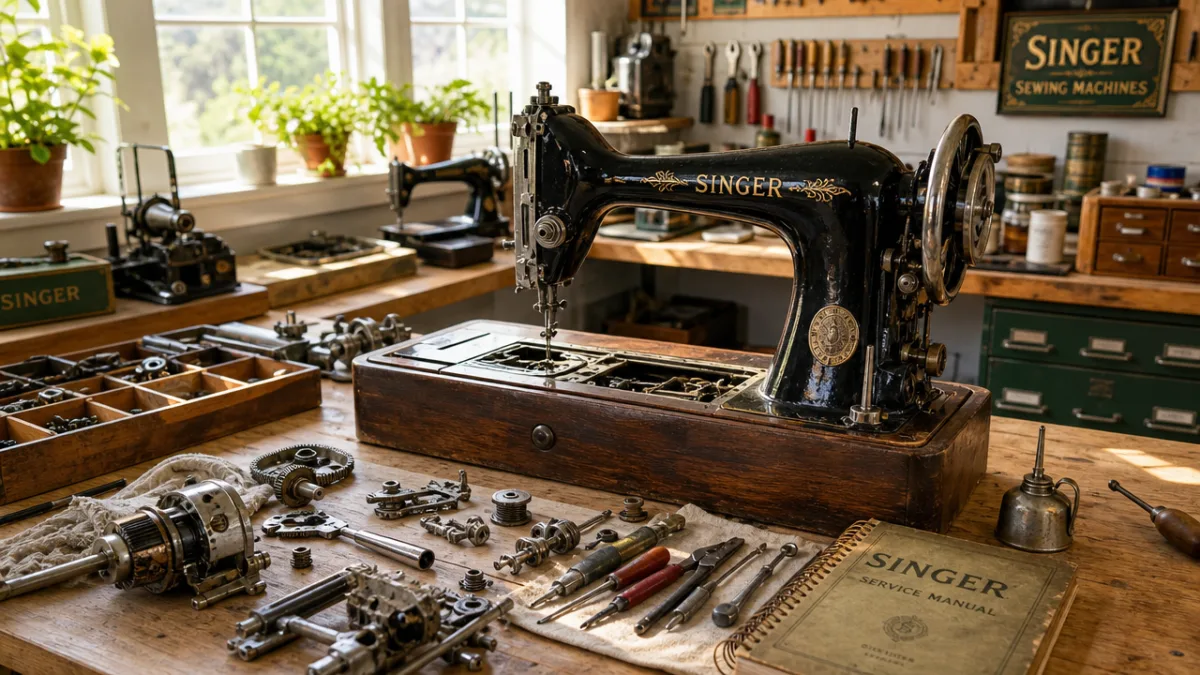
Before you do anything else with your machine, take a good look at its condition. Check the ironwork for cracks or heavy rust, inspect the wood for rot or structural soft spots, and think about whether you want to keep the mechanical components or remove them. If the machine actually still works, you might want to have it serviced and keep it functional — plenty of upcycled sewing machine tables are designed so the machine can still be used for actual sewing when you want it to. If it’s beyond repair as a sewing tool, you have a lot more freedom to take it apart and use the components however you like.
Don’t skip the prep and finishing work — it really does make or break the final result. For iron parts going outside, treat any rust thoroughly and then apply several coats of outdoor-rated sealant or paint. That one step alone dramatically extends how long your piece will last. For wooden cabinets, some light sanding and a fresh coat of chalk paint, milk paint, or wood stain can take something that looked sad and worn and make it look like it was styled that way on purpose. Indoor pieces need less weatherproofing, but they still benefit from a careful cleaning and finish. Taking the time to prep properly is what separates a polished, professional-looking project from something that just looks old.
One last thing — don’t overlook the online communities built around this hobby. There are forums, social media groups, and YouTube channels dedicated to vintage sewing machines and upcycling where experienced crafters freely share techniques, answer questions, and cheer each other on. Whether you’re doing something as simple as a decorative display or as involved as a full furniture conversion, someone in those communities has probably done something similar and can point you in the right direction. They’ll help you avoid rookie mistakes, point you toward the right materials, and keep you inspired when you hit a wall. The sewing machine upcycling world is genuinely warm and creative — and there’s never been a better time to get involved.








What do you think?
It is nice to know your opinion. Leave a comment.