










20 Simple Garden Ideas on a Budget: Transform Your Outdoor Space Without Breaking the Bank
Introduction: Why Budget Gardening Is More Rewarding Than You Think
Creating a beautiful garden doesn’t have to drain your savings account. In fact, some of the most charming and personality-filled outdoor spaces in the world were built on shoestring budgets by creative people who understood that ingenuity often matters far more than money. When you’re working with limited resources, you’re forced to think outside the box, repurpose materials, and develop a genuine connection with your garden that expensive landscaping services simply cannot replicate.
Budget gardening has exploded in popularity over the last decade, and for good reason. Social media platforms like Pinterest have made it easier than ever to discover clever hacks, DIY projects, and low-cost planting strategies that deliver stunning visual results. Whether you have a sprawling backyard, a modest patch of lawn, or even just a small balcony, there are countless ways to cultivate something beautiful without spending a fortune on fancy plants, professional hardscaping, or designer garden furniture.
This guide brings together 20 of the most practical, achievable, and genuinely effective garden ideas that can be implemented on nearly any budget. From seed-starting tricks that cost almost nothing to clever container solutions made from repurposed household items, every idea here has been chosen for its accessibility, visual impact, and long-term value. By the time you finish reading, you’ll have a clear roadmap for transforming your outdoor space into something you’re truly proud of — without the financial stress.
Planning and Design: Laying the Groundwork for a Beautiful Garden
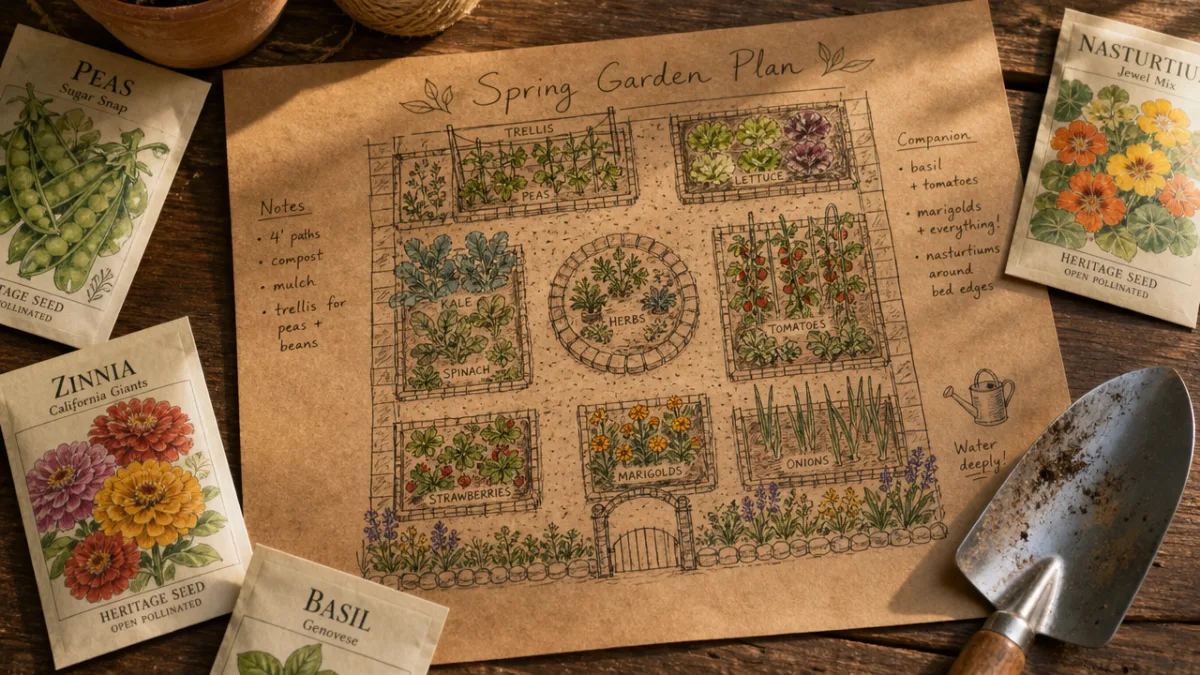
Before you spend a single cent on seeds or supplies, the most valuable investment you can make is time spent planning. A thoughtful garden plan prevents costly mistakes, helps you prioritize spending, and ensures that every dollar you invest goes toward something meaningful. Start by sketching a rough layout of your outdoor space, noting where sunlight falls throughout the day, where drainage tends to be poor, and which areas get the most foot traffic. These simple observations will guide almost every decision you make going forward.
One of the biggest mistakes budget gardeners make is buying plants impulsively at garden centers without considering their placement or compatibility with existing conditions. Instead, research which plants thrive naturally in your climate zone and soil type, because plants that are well-suited to their environment require far less intervention, watering, and supplemental feeding. Native plants in particular are often the most economical choice, as they’ve evolved alongside local rainfall patterns and temperatures and tend to establish quickly with minimal care after the first season.
Consider dividing your garden into distinct zones based on function and aesthetics. You might dedicate one area to growing vegetables and herbs, another to flowering perennials that return year after year, and a third to a simple seating area where you can enjoy the results of your labor. This kind of structured thinking prevents gardens from feeling chaotic or overwhelming, and it makes it easier to tackle improvements one section at a time rather than trying to overhaul everything at once. A phased approach is both financially sensible and far less physically demanding.
Creating a Garden Mood Board
Gather inspiration from Pinterest, gardening magazines, and neighborhood walks before committing to a specific aesthetic. A mood board — even a simple folder of saved images on your phone — helps you develop a cohesive vision that guides your plant and material choices. When everything in your garden speaks the same visual language, the result looks intentional and polished even if the individual components cost very little. Consistency of color palette, texture, and style is what separates a thoughtfully designed budget garden from one that simply looks cheap.
Seed Starting and Plant Propagation: The Ultimate Budget Strategy
Growing plants from seed is without question the single most effective way to reduce your gardening costs. A packet of seeds that costs two or three dollars can contain enough material to fill an entire flower bed or produce a summer’s worth of vegetables. Compared to purchasing established transplants at a garden center — where a single tomato plant might cost four to six dollars — starting from seed multiplies your plant count dramatically for a fraction of the price. The learning curve is gentle, and the sense of achievement when those first seedlings emerge is genuinely hard to beat.
You don’t need expensive seed-starting trays or specialty equipment to get started. Egg cartons make excellent biodegradable seed-starting containers that can be planted directly into the soil once seedlings are ready. Yogurt cups, toilet paper rolls, and even newspaper folded into small pots all serve the same function perfectly well. Fill them with a lightweight seed-starting mix — which you can make yourself by combining equal parts compost, perlite, and coir — and place them on a sunny windowsill or under an inexpensive grow light to give your seedlings the best possible start.
Plant propagation is another skill that pays enormous dividends for budget-conscious gardeners. Many popular garden plants — including hostas, daylilies, lavender, and most herbs — can be divided or propagated from cuttings at virtually no cost. If you have a neighbor or fellow gardener willing to share divisions from their established plants, you can quickly build a substantial plant collection without spending anything at all. Online gardening communities and local plant swap events are wonderful resources for acquiring new varieties through generosity rather than retail purchases.
Best Plants to Grow from Seed on a Budget
- Sunflowers — Fast-growing, drought-tolerant, and enormously cheerful; a single packet produces dozens of plants that make striking garden focal points and attract pollinators throughout summer.
- Zinnias — Among the easiest annuals to grow from seed, zinnias germinate rapidly and bloom prolifically from midsummer through frost, providing cutting flowers for the entire household.
- Nasturtiums — These cheerful climbing or trailing plants thrive in poor soil, require almost no care, and produce edible flowers and leaves that add color to salads as well as garden beds.
- Tomatoes and cucumbers — Starting these vegetable staples from seed rather than buying transplants can save twenty dollars or more per growing season while giving you access to a far wider variety selection.
- Cosmos — Feathery, delicate cosmos are virtually foolproof from direct sow and self-seed enthusiastically, meaning one packet may supply your garden with flowers for several years running.
Repurposing and Upcycling: Turning Trash Into Garden Treasure
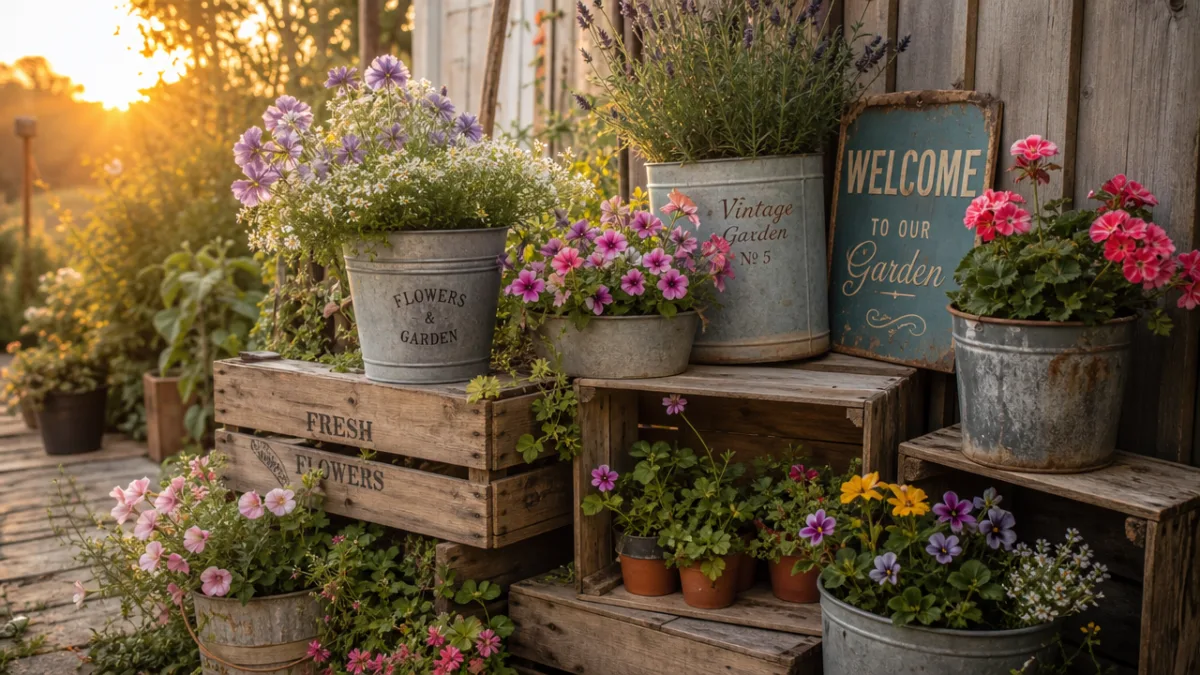
One of the most creative and satisfying aspects of budget gardening is finding new life for objects that might otherwise end up in the recycling bin or landfill. Almost any container that holds soil and allows for drainage can become a planter, and the resulting eclectic mix of vessels often gives a garden more character than uniform terracotta pots ever could. Old colanders, wooden wine crates, galvanized metal buckets, worn leather boots, cracked watering cans, and even decommissioned wheelbarrows have all been pressed into successful service as garden containers by creative gardeners around the world.
Beyond containers, repurposed materials can be used throughout the garden in ways that add both function and visual interest. Old wooden pallets can be dismantled and used to build raised garden beds, compost bins, or simple vertical planters. Broken concrete and salvaged bricks make excellent edging for paths and flower beds. Large tree branches that fall during storms can be cut into rounds and used as informal stepping stones, arranged into log-pile habitats for beneficial insects, or stacked to create rustic borders. The key is to look at everything through the lens of possibility rather than seeing only what an object was originally designed to do.
Charity shops, estate sales, and online marketplace platforms like Facebook Marketplace or Craigslist are goldmines for inexpensive garden supplies and furniture. Old metal washtubs, vintage crates, and weathered garden furniture can often be found for just a few dollars and immediately add character to an outdoor space. Before purchasing anything new for your garden, spend a few minutes searching locally for secondhand alternatives — you’ll frequently find higher-quality items at a fraction of the retail price, and you’ll be keeping useful objects out of the waste stream at the same time.
DIY Garden Décor Ideas That Cost Almost Nothing
- Painted rock garden markers — Collect smooth stones from paths or riverbeds, paint them with plant names using acrylic paint, and seal with clear varnish for durable, personalized garden labels that cost nothing to make.
- Bottle edge borders — Sink glass wine or beer bottles neck-down along the edge of a garden bed to create a colorful, glittery border that catches sunlight beautifully and costs absolutely nothing if you’re willing to collect bottles over time.
- Twig trellises — Bundle flexible branches or bamboo canes with twine to create rustic trellises for climbing plants like peas, beans, and sweet peas; these look charming and cost a fraction of store-bought metal options.
- Terracotta pot towers — Stack terracotta pots of decreasing size inside one another to create dramatic tiered planters perfect for herbs or strawberries; secondhand pots from charity shops make this project almost free.
Soil Health and Composting: Building Fertility for Free
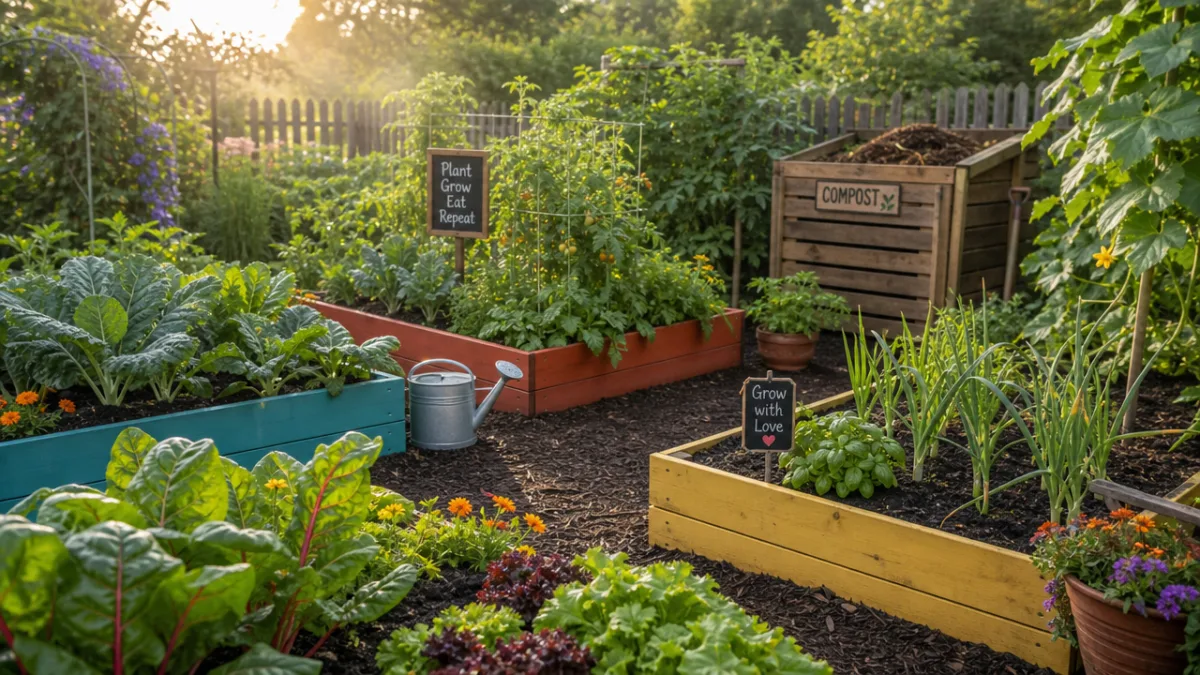
Healthy soil is the foundation of every successful garden, and the wonderful news for budget gardeners is that the best soil amendments are essentially free. Home composting transforms kitchen scraps and garden waste — materials you would otherwise throw away — into rich, nutritious organic matter that improves soil structure, feeds plants, and suppresses certain soil-borne diseases. Starting a compost pile costs nothing if you simply designate a corner of your garden for the purpose, though a simple wooden bin made from reclaimed pallets keeps things tidy and accelerates the decomposition process.
Beyond kitchen and garden scraps, there are numerous free or very low-cost soil improvers available to resourceful gardeners. Many local authorities offer free or heavily subsidized compost collected from municipal green waste schemes. Coffee shops are frequently willing to give away spent coffee grounds, which are an excellent source of nitrogen and improve the texture of clay soils. Local stables and small farms often have more manure than they know what to do with and may offer it for free to anyone willing to collect it. Leaf mold — made simply by piling autumn leaves and leaving them to decompose for a year — is another excellent free soil conditioner that many gardeners overlook.
Mulching is one of the most impactful and affordable things you can do for your garden’s long-term health and your own workload. A generous layer of mulch applied around plants suppresses weeds dramatically, reducing the time you spend hand-weeding throughout the season. Mulch also retains moisture in the soil, which means you need to water less frequently — a significant benefit both for your water bill and for the resilience of your plants during dry spells. Free mulch materials include shredded autumn leaves, grass clippings from your lawn, straw from local farms, and wood chip mulch that many local tree surgeons will deliver for free when they’re clearing branches in your area.
Simple Composting Tips for Beginners
- Balance greens and browns — For efficient decomposition, aim for roughly equal volumes of nitrogen-rich green materials like vegetable peelings and grass clippings and carbon-rich brown materials like cardboard, straw, and autumn leaves.
- Keep it moist but not wet — A compost pile should feel like a wrung-out sponge; too dry and decomposition slows dramatically, too wet and the pile becomes anaerobic and smelly rather than productive.
- Turn it regularly — Introducing air into the pile by turning it with a fork every week or two dramatically speeds up the composting process and prevents the pile from developing unpleasant odors.
- Avoid adding meat, dairy, or cooked foods — These materials attract pests and create odor problems; stick to raw fruit and vegetable scraps, eggshells, coffee grounds, tea bags, and garden waste for a clean, efficient compost pile.
Water-Wise Gardening: Saving Money on Every Drop
Water is one of the most significant ongoing costs in garden maintenance, particularly during dry summers when established plants and vegetable gardens require regular irrigation to stay productive. The most impactful and cost-effective solution to this challenge is rainwater harvesting — collecting the rain that falls on your roof and storing it in butts or tanks for use during drier periods. A basic plastic water butt can be purchased inexpensively and connected to a downpipe in an afternoon, potentially providing hundreds of liters of free water that would otherwise have gone straight into the drainage system.
Choosing drought-tolerant plants for drier areas of your garden reduces watering demands significantly and creates plantings that look beautiful even through summer heat. Mediterranean herbs like rosemary, thyme, sage, and oregano thrive in hot, dry conditions and require almost no supplemental watering once established. Ornamental grasses, lavender, echinacea, sedum, and achillea are all excellent choices for low-water flower beds that deliver color and texture throughout the growing season. These plants are typically less expensive than thirstier alternatives and reward neglect in ways that pampered plants simply cannot.
When you do need to water, timing and technique matter enormously. Watering in the early morning rather than during the heat of the day reduces evaporation losses substantially and ensures that moisture reaches plant roots before temperatures rise. Directing water at the base of plants rather than over their foliage is more efficient and reduces the risk of fungal disease on leaves. A simple soaker hose run through vegetable beds delivers water precisely where it’s needed at a fraction of the cost of overhead sprinkler systems, and the initial investment pays for itself quickly through reduced water consumption over a single growing season.
Low-Cost Lighting and Finishing Touches: Making Your Garden Glow
The finishing touches in a garden — the lighting, seating, pathways, and decorative elements — are what transform a collection of plants into a genuinely inviting outdoor living space. The good news is that these elements don’t need to be expensive to be effective. Solar-powered garden lights have improved dramatically in quality and affordability over recent years, and a set of solar stake lights along a path or solar lanterns hung in a tree can create a genuinely magical atmosphere on summer evenings without adding anything to your electricity bill.
A comfortable and attractive seating area is perhaps the single most transformative addition you can make to a garden, and it need not cost much. A secondhand garden bench refreshed with outdoor paint, a set of wooden pallets arranged into a simple low sofa fitted with weather-resistant cushions, or even a pair of mismatched chairs positioned beside a small table create an invitation to actually spend time in your garden. Gardens that have comfortable places to sit are used and appreciated far more than those that are purely ornamental, which means you get more pleasure and value from the space you’ve invested in creating.
Don’t underestimate the power of a well-defined pathway in making a garden feel finished and intentional. Paths don’t need to be expensive professionally laid affairs — stepping stones of salvaged slate, rounds of timber from a fallen tree, or even gravel contained by simple timber edging create clear routes through the garden that prevent lawn damage and give the space a sense of structure. Even the act of mowing lawn edges cleanly and keeping borders well-defined costs nothing more than a little time and makes an enormous difference to how polished and cared-for the entire garden appears to the eye.
Quick and Affordable Garden Finishing Ideas
- Paint terracotta pots — A few pots painted in complementary colors using leftover exterior paint creates a coordinated, designer look for almost no cost and adds personality to patios and doorsteps.
- Install a simple bird bath — An upturned dustbin lid on a stack of bricks, a large shallow plant saucer, or a repurposed mixing bowl makes a functional bird bath that attracts wildlife and adds a charming focal point to any garden corner.
- Create a focal point from salvage — A striking piece of salvaged metalwork, an old chimney pot planted with trailing herbs, or a weathered wooden gate propped decoratively against a fence wall draws the eye and gives your garden a memorable character that no amount of money can simply purchase.
- Add fragrant plants near seating — Positioning lavender, sweet peas, jasmine, or rosemary close to where you sit and relax costs very little but dramatically enhances the sensory experience of your garden on warm evenings.
The most important thing to remember as you embark on your budget garden journey is that great gardens are grown, not bought. They develop over seasons and years through observation, experimentation, and a willingness to learn from both successes and inevitable failures. Every seed you sow, every cutting you take, and every creative repurposing solution you discover adds to a garden that is uniquely yours — one that tells the story of your resourcefulness, curiosity, and genuine love for the natural world growing just outside your door.








What do you think?
It is nice to know your opinion. Leave a comment.