










Palo Santo Patchouli Tinted Glass Candle: A Complete Guide to This Enchanting Sensory Experience
The Ancient Roots of Palo Santo and Patchouli
Long before the modern wellness movement brought these two remarkable botanicals together in a single candle, each ingredient carried centuries of sacred history. Palo Santo, whose name translates from Spanish as “holy wood,” has been used by indigenous communities across South America for thousands of years. The Incas burned it during spiritual ceremonies to cleanse energy, invite good spirits, and create a bridge between the physical and ethereal realms. Its smoke was considered a gift from the earth, fragrant and powerful enough to purify even the most troubled spaces.
Patchouli, meanwhile, traces its own storied journey through the ancient trade routes of Asia. Originating in tropical regions of Southeast Asia and India, it was so prized that merchants once used dried patchouli leaves to protect fabrics and silks during long sea voyages. The scent became synonymous with exotic luxury, and when those goods arrived in Europe, the lingering perfume of patchouli became irresistible to buyers. It later became a defining scent of the 1960s counterculture movement, beloved for its earthy, grounding qualities that felt like a rebellion against synthetic perfumes.
What makes the pairing of these two botanicals so extraordinary is how their distinct histories complement rather than compete with each other. Palo Santo brings a bright, citrus-edged woodsmoke quality that feels almost ethereal in nature, while patchouli adds a deep, musky, loamy foundation that anchors the senses firmly to the earth. Together, they create an olfactory experience that is simultaneously uplifting and grounding, ancient and modern, meditative and indulgent. This is not a casual fragrance combination; it is one with genuine historical and cultural depth.
Understanding the Scent Profile: What to Expect When You Light the Wick
When you first strike a match and bring flame to a Palo Santo Patchouli candle, the initial burst of fragrance is almost immediately noticeable. The top notes tend to arrive first — a clean, slightly sweet woodsmoke with hints of pine resin and a delicate citrusy brightness that is characteristic of high-quality Palo Santo oil. This opening moment has a clarifying, almost meditative quality, like stepping into a forest after rain. Many people describe it as immediately calming, triggering a physiological relaxation response within just a few breaths.
As the candle warms and the wax pool deepens, the heart notes begin to emerge and the scent transforms. This is where patchouli starts to make its presence known — slowly, richly, with the confidence of something genuinely complex. The earthy, slightly sweet, deeply musky character of patchouli softens the Palo Santo smoke and gives the overall fragrance a warmth and body that fills the room beautifully. Together, these mid-range notes create the signature character of the candle: something that feels simultaneously wild and refined, spiritual and sensual.
In the final stages of a long burn, the base notes settle into the space like a quiet presence. Patchouli’s natural depth becomes more pronounced, and a subtle resinous sweetness from the Palo Santo lingers in the air long after the flame is extinguished. This lasting quality is one of the great pleasures of a well-made candle featuring these ingredients. You may find that a room scented with a Palo Santo Patchouli candle retains a faint, beautiful fragrance for hours — even the next morning — a ghostly reminder of the evening’s atmosphere.
The Tinted Glass Vessel: Design, Aesthetics, and Function
The choice of tinted glass as the vessel for this particular candle is far from arbitrary. Tinted glass serves multiple practical and aesthetic purposes that elevate the entire candle experience. From a functional standpoint, colored glass filters and softens the light emitted by the flame, creating a warm, diffused glow rather than the stark brightness of clear glass. This effect transforms the candle into a genuine mood-lighting object, something that actively changes the character of the space it inhabits rather than merely scenting it.
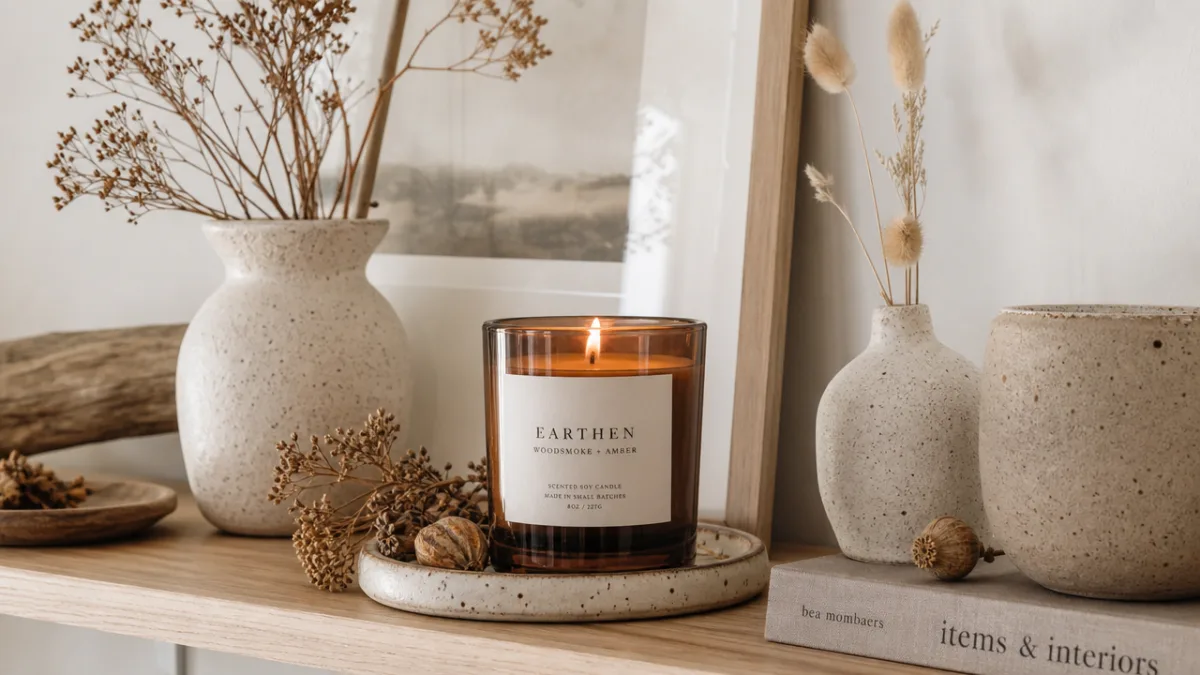
Aesthetically, tinted glass carries a richness that pairs beautifully with the earthy, bohemian nature of Palo Santo and patchouli as a fragrance combination. Deep amber, smoky grey, forest green, or warm terracotta-toned glass all complement the natural, elemental quality of these scents in a way that clear or stark white vessels simply cannot. The vessel itself becomes part of the ritual — something you want to display proudly on a shelf, a bedside table, or a meditation space. It speaks to a design sensibility that values beauty, intention, and the careful curation of one’s living environment.
There is also a sustainability angle worth considering. High-quality tinted glass vessels, especially those with clean lines and attractive proportions, are genuinely worth keeping after the candle has burned down. With a bit of cleaning, they become beautiful containers for small plants, trinkets, makeup brushes, kitchen herbs, or simply decorative objects in their own right. This dual-life purpose aligns beautifully with a conscious consumer mindset, where the value of an object extends beyond its primary function. Choosing a candle in a tinted glass vessel is, in a small way, a commitment to beauty that lasts longer than the burn time.
The Wellness and Aromatherapy Benefits
The wellness community has long recognized both Palo Santo and patchouli as plants with genuine therapeutic properties, and while a candle is not the same as direct aromatherapy with essential oils, the benefits of breathing in their natural fragrance compounds are real and documented. Palo Santo contains a compound called limonene, a naturally occurring terpene also found in citrus peels, which has been studied for its stress-relieving and mood-lifting properties. Burning Palo Santo — even in candle form — introduces these aromatic compounds into the air in ways that many people find genuinely calming.
Patchouli essential oil, similarly, has been associated with a range of wellness benefits in both traditional herbal medicine and more recent scientific inquiry. It is frequently cited for its ability to reduce anxiety, ease nervous tension, and promote a grounded sense of emotional stability. Some research suggests that patchouli’s primary active compound, patchoulol, may have mild anxiolytic effects. Whether experienced through direct aromatherapy or the gentler diffusion of a scented candle, many people report that the presence of patchouli fragrance in a room helps them feel more settled, more present, and more at ease.
Beyond the specific compounds, there is something profoundly valuable about the ritual of lighting a candle itself. The act of intentionally creating a sensory environment — choosing a fragrance, lighting a flame, dimming other lights — is a form of self-care that signals to the nervous system that it is safe to relax. Psychologists who study ritual behavior have found that even simple, repeated actions like lighting a candle before a bath, meditation session, or journaling practice can significantly reduce cortisol levels and increase feelings of well-being. A Palo Santo Patchouli candle, with its ancient lineage and deeply evocative scent, is particularly well suited to becoming the centerpiece of such a ritual.
Those new to incorporating candle aromatherapy into their wellness routines might find the following approaches particularly rewarding:
- Light the candle 10 to 15 minutes before beginning a meditation or yoga session, allowing the fragrance to fully develop and set the atmosphere before you begin your practice.
- Use the candle during evening journaling or creative work to signal to your mind that this is a time of focused, introspective activity distinct from daily tasks.
- Incorporate the candle into a bath ritual by placing it safely on a nearby surface, allowing the steam and warmth to amplify the fragrance throughout the bathroom.
- Light the candle during the transition from the workday to personal time as a deliberate sensory boundary between professional and restorative modes of being.
How to Choose and Care for Your Palo Santo Patchouli Candle
Not all candles bearing these names are created equal, and knowing what to look for when selecting one can make the difference between a transcendent sensory experience and a disappointing, synthetic-smelling disappointment. The first thing to examine is the wax type. Natural waxes such as soy, coconut, or beeswax burn cleaner, throw fragrance more authentically, and support a longer, more even burn than paraffin alternatives. Many artisan candlemakers who work with botanically inspired fragrances prefer soy or coconut wax precisely because they carry complex natural scent profiles without distortion.
Fragrance sourcing is equally important. Look for candles that specify the use of natural essential oils rather than synthetic fragrance oils. Authentic Palo Santo essential oil is extracted from sustainably harvested wood — ideally from naturally fallen trees in Ecuador or Peru — and genuine patchouli oil should be steam-distilled from the leaves of Pogostemon cablin. Some candles use nature-identical fragrance compounds or blends, which can be of good quality, but nothing replicates the full complexity and authenticity of real essential oils. If a brand is transparent about its sourcing, that transparency itself is a positive signal.
Proper candle care dramatically extends both the burn time and the quality of the fragrance experience. Before lighting the candle for the first time, allow a full melt pool to form across the entire surface of the wax before extinguishing the flame — this typically takes two to three hours and prevents the tunneling effect where the wax burns only in a narrow channel down the center. Trim the wick to approximately 6mm before each lighting, as a longer wick produces excessive soot and an uneven burn. When storing the candle between uses, keep the lid on if one is provided to protect the fragrance compounds from evaporating or being degraded by light and air.
Incorporating the Candle Into Your Living Space and Lifestyle
A candle as distinctive as a Palo Santo Patchouli tinted glass offering deserves thoughtful placement within your home. Because these fragrances carry strong associations with spirituality, grounding, and introspection, they tend to thrive in spaces dedicated to quieter activities. A bedroom, a reading nook, a home office used for creative work, or a dedicated meditation corner are all ideal environments. In these spaces, the candle becomes more than a source of scent; it becomes a functional object that actively contributes to the emotional character of the room.
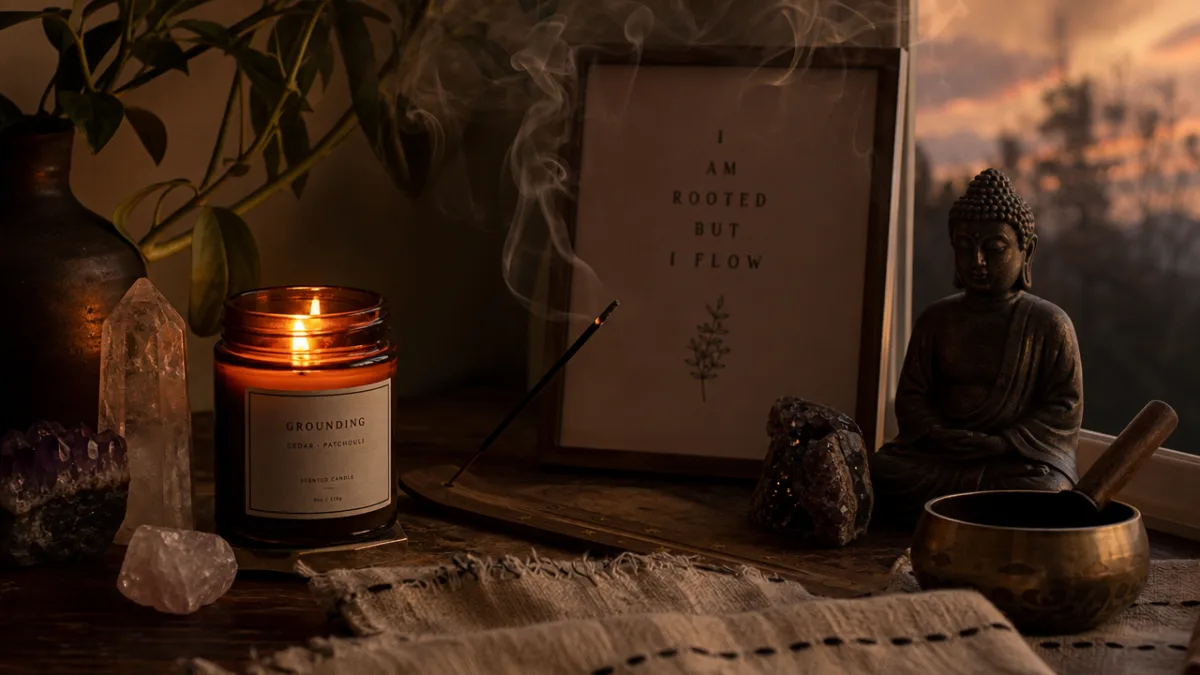
The visual element of the tinted glass vessel should also inform how you style the space around it. Palo Santo and patchouli both carry strong earthy, bohemian, and spiritual aesthetic associations, which means they pair beautifully with natural materials like wood, stone, rattan, and raw linen. Grouping the candle with other objects that share this sensibility — a small piece of amethyst or obsidian, a bundle of dried herbs, a handmade ceramic dish, a stack of well-loved books — creates a vignette that feels intentional and deeply personal. This kind of curated arrangement transforms a corner of your home into something that genuinely reflects your values and aesthetic.
Gifting a Palo Santo Patchouli tinted glass candle is an act of genuine thoughtfulness. Because of its rich history, complex fragrance profile, and beautiful presentation, it communicates that the giver has put real consideration into what the recipient would appreciate. It suits a wide variety of occasions, from housewarming gifts to birthday presents to tokens of appreciation for someone going through a period of transition or stress. Pair it with a handwritten note describing the origins of Palo Santo or the history of patchouli, and you transform a beautiful object into a story — a gift that educates, delights, and lingers in the memory long after the wax has burned away.
Sustainability, Ethics, and the Future of Artisan Candle Making
As consumer awareness around sustainability has grown, the candle industry has faced increasing scrutiny over its sourcing practices and environmental impact. Palo Santo, in particular, is a species that requires careful, responsible harvesting. The trees, which are native to dry tropical forests in Ecuador, Peru, and other parts of South America, can take decades to mature, and their aromatic resins only fully develop in the wood after the tree has died naturally and rested on the forest floor for several years. Responsible brands source their Palo Santo only from naturally fallen trees and from operations that actively support reforestation and the protection of native ecosystems.
Patchouli cultivation also carries environmental considerations. As demand for patchouli oil has grown with the rise of natural perfumery and wellness products, some farming operations have expanded in ways that put pressure on land in Southeast Asia and India. The most ethical producers work with small-scale, sustainable farming operations, use fair trade practices, and ensure that the people who grow and harvest the plants receive equitable compensation. When choosing a Palo Santo Patchouli candle, supporting brands that are transparent about their supply chains is a way of extending the spiritual and ethical values these fragrances represent into the practical reality of how they are produced.
The broader artisan candle-making movement has been an important force for positive change in this industry. Small-batch makers who prioritize natural ingredients, sustainable wax, responsible sourcing, and beautifully crafted vessels are not only creating superior products — they are modeling a more ethical, thoughtful approach to production that stands in deliberate contrast to mass manufacturing. By choosing a handmade or small-batch Palo Santo Patchouli tinted glass candle, consumers participate in an economy that values quality, intention, and integrity over volume and convenience. In a market saturated with cheap imitations, this distinction matters enormously, both for the experience of the product and for the broader values it represents.
When evaluating the sustainability credentials of a candle brand, consider looking for the following characteristics:
- Clear documentation of Palo Santo sourcing from naturally fallen trees with verifiable supplier relationships in South America.
- Use of natural, biodegradable wax such as soy, coconut, or beeswax, ideally certified organic or responsibly farmed.
- Cotton or wood wicks that are free from metal cores and chemical treatments that can release harmful compounds when burned.
- Recyclable or reusable vessels, with the tinted glass specifically designed to have a purposeful second life after the candle is finished.
- Transparency about fragrance ingredients, with a clear distinction between natural essential oils and synthetic fragrance components.
The future of artisan candle making looks genuinely promising, particularly as consumers increasingly prioritize meaning, craftsmanship, and ethics in their purchasing decisions. A Palo Santo Patchouli tinted glass candle represents the very best of what this movement has to offer: a product with ancient roots, profound sensory richness, beautiful design, and the potential to be made in ways that honor both the people and the ecosystems involved in its creation. Lighting one is not merely an act of self-indulgence — it is a small, deliberate choice in favor of beauty, intention, and a more conscious relationship with the material world.








What do you think?
It is nice to know your opinion. Leave a comment.