










Myrsine Cubana (Rapanea punctata): A Complete Guide to This Remarkable Tropical Shrub
Introduction to Myrsine Cubana
Myrsine cubana, scientifically classified as Rapanea punctata and commonly known as Cuban myrsine or colicwood, is a fascinating evergreen shrub native to the subtropical and tropical regions of the Americas. This resilient plant belongs to the family Primulaceae and has carved out an important ecological niche across a broad geographic range that stretches from southern Florida through the Caribbean islands and into Central and South America. Its adaptability and distinctive appearance have made it increasingly popular among horticulturalists, native plant enthusiasts, and landscape designers seeking durable, low-maintenance greenery.
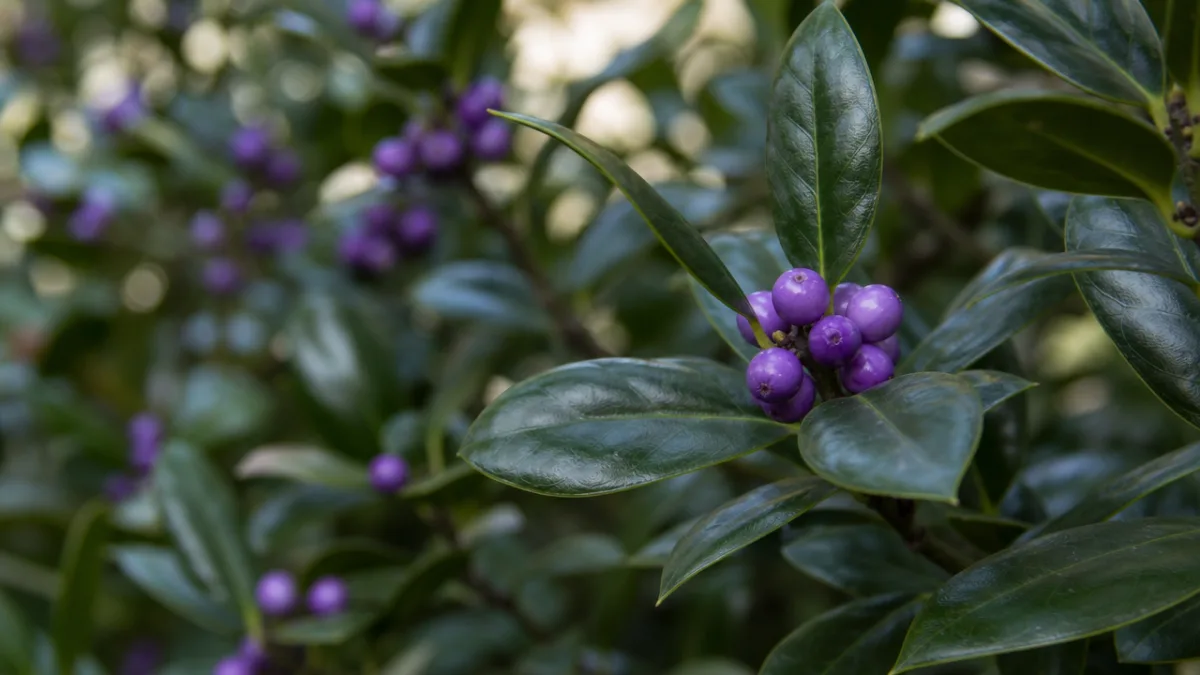
The plant is celebrated for its dense, glossy foliage and compact growth habit, which together create a refined, polished appearance in both wild settings and cultivated landscapes. The leaves are characteristically oval to oblong in shape, featuring a deep green upper surface and a paler underside, often dotted with tiny glandular punctations that give the species its Latin epithet punctata, meaning “spotted” or “dotted.” These punctations are actually resin glands, a hallmark feature across the broader Myrsine genus that contributes to the plant’s aromatic quality when the leaves are bruised or crushed.
Beyond its ornamental appeal, Myrsine cubana holds significant ecological value. It produces small, inconspicuous flowers that give way to clusters of dark, berry-like drupes, which serve as an important food source for birds and small mammals. As a result, the plant functions as an excellent wildlife attractor and is frequently recommended for habitat restoration projects. Its tolerance for a range of soil conditions and its ability to thrive in both sunny and partially shaded environments further cement its reputation as a workhorse plant in naturalistic and formal planting schemes alike.
Taxonomy and Classification
The taxonomic history of Myrsine cubana is somewhat complex, reflecting broader reclassifications within the Primulaceae family over the past several decades. The genus Rapanea, under which this species was previously and still commonly catalogued, has been subject to considerable botanical debate. Many authorities now subsume Rapanea entirely within Myrsine, though older references, nursery catalogs, and regional floras frequently retain the Rapanea designation, leading to some confusion among gardeners and researchers alike. Understanding this dual nomenclature is essential for anyone researching the plant or sourcing it from specialist growers.
Within the broader Primulaceae family, Myrsine cubana sits alongside well-known ornamental genera such as Cyclamen, Primula, and Lysimachia, a placement that might surprise those unfamiliar with modern phylogenetic classifications, since the plant’s tropical, woody character stands in marked contrast to the herbaceous, temperate relatives most gardeners associate with that family. This reclassification is based on molecular evidence and reflects the ongoing revision of plant taxonomy as DNA analysis provides clearer pictures of evolutionary relationships. Despite the family context, Myrsine cubana retains its distinctive shrubby identity.
At the species level, several varieties and closely related taxa are recognized across the plant’s native range, with populations in Cuba, Florida, the Bahamas, and Central America sometimes displaying subtle morphological differences in leaf size, growth rate, and fruit color. These regional variations have attracted interest from botanical collectors and native plant nurseries who seek to cultivate genetically appropriate material for restoration projects. Sourcing locally provenant seed or cuttings is considered best practice when using the plant for ecological restoration, ensuring that locally adapted genetic diversity is preserved within restored plant communities.
Native Habitat and Geographic Distribution
Myrsine cubana is a plant intimately associated with the subtropical ecosystems of the greater Caribbean basin. In its northernmost native range, it occurs naturally in the pine rocklands, coastal hammocks, and scrub communities of southern Florida, including the Florida Keys, where it forms part of the understory beneath the iconic Florida slash pine. These ecosystems are characterized by nutrient-poor, well-drained soils underlain by oolitic limestone, and the plant’s ability to thrive under such conditions speaks to its exceptional drought tolerance and adaptability to alkaline substrates. Conservation efforts in Florida have highlighted Myrsine cubana as a keystone shrub species within these threatened habitats.
Across the Caribbean, the plant is found on numerous islands, including Cuba — as its common name suggests — Jamaica, Hispaniola, Puerto Rico, and the Lesser Antilles. On these islands, it occupies a wide variety of ecological niches, from dry coastal scrublands and secondary forests to montane cloud forests at higher elevations. This broad ecological amplitude is relatively unusual and reflects the plant’s underlying physiological flexibility. In these tropical settings, Myrsine cubana often forms dense thickets that provide important shelter for birds, reptiles, and invertebrates, contributing meaningfully to the biodiversity of the habitats it colonizes.
In Central and South America, the plant’s range extends through parts of Mexico, Guatemala, Honduras, and beyond, where it inhabits forest margins, disturbed areas, and riparian zones alongside rivers and streams. The plant shows a particular affinity for humid, transitional zones where forest grades into more open vegetation, and it is frequently encountered along roadsides and forest edges — habitats created or modified by human activity — suggesting a degree of disturbance tolerance that makes it useful for reclamation planting on degraded land. Its pan-tropical distribution underscores its hardiness and the breadth of conditions under which it can successfully establish and reproduce.
Ecological Role and Wildlife Interactions
The ecological contributions of Myrsine cubana within its native communities extend well beyond simple structural functions. The small, purplish-black drupes produced by female plants — the species is dioecious, meaning male and female flowers are borne on separate plants — are eagerly consumed by a wide variety of frugivorous birds. Species such as American robins, gray catbirds, and numerous resident tropical species rely on these berries as a critical food resource during winter months in Florida, and the plant is consequently regarded as one of the most valuable native fruiting shrubs for wildlife gardeners in the southeastern United States. Including both male and female plants is essential to ensure fruit production.
Beyond its role as a direct food source, the plant’s dense, twiggy branching structure provides excellent nesting habitat and cover for birds and small mammals. The layered architecture of a mature Myrsine cubana shrub offers protection from predators and harsh weather, making it a preferred nesting site for several passerine species in both natural and garden settings. Insects also benefit from the plant’s presence; the flowers, though small and inconspicuous, produce nectar that attracts pollinators including native bees and small butterflies, adding another dimension to its ecological value within garden and restoration planting schemes.
Myrsine cubana also plays a role in facilitating forest succession. Because it can establish readily in open or disturbed areas and tolerates the stress of full sun exposure, it often serves as a pioneer or early-successional species that creates shade, improves microclimate, and gradually makes conditions more favorable for the establishment of canopy tree species. In this way, it functions as an ecological bridge — linking open, disturbed landscapes with mature forest communities. Native plant ecologists working on habitat restoration projects in southern Florida and the Caribbean frequently leverage this successional role by incorporating Myrsine cubana into early-phase planting plans.
Cultivation and Horticultural Requirements
For gardeners and horticulturalists looking to incorporate Myrsine cubana into their plantings, understanding its cultural requirements is the key to achieving success. The plant is best suited to USDA hardiness zones 9 through 11, reflecting its subtropical origins and its sensitivity to prolonged freezing temperatures. In the warmest parts of the continental United States — namely southern Florida, coastal Texas, and Hawaii — it can be grown as a reliable landscape shrub. In cooler climates, it can be cultivated in large containers that are overwintered indoors in a bright, frost-free space, making it accessible to a broader range of plant enthusiasts willing to accommodate its needs.
In terms of soil preference, Myrsine cubana is notably adaptable and will perform well across a wide pH range, from mildly acidic to strongly alkaline. This quality is particularly valuable in landscapes underlain by limestone or calcareous fill, conditions that defeat many other ornamental shrubs. The plant demands excellent drainage, however, and will not tolerate waterlogged or persistently saturated soils, which can lead to root rot and rapid decline. Raised beds, amended planting pits, or naturally well-drained positions on slopes and elevated areas provide ideal conditions. Once established, the plant demonstrates impressive drought resistance and requires very little supplemental irrigation.
Light requirements for Myrsine cubana are flexible, and the plant performs well across a spectrum from full sun to moderate shade. In full sun, it tends to develop a denser, more compact habit with deeper green foliage coloration, while in shadier positions it may grow with a somewhat more open structure and slightly larger, softer leaves. For hedging or screening applications where density is paramount, a sunny location is recommended. Fertilization needs are minimal; an annual application of a balanced, slow-release fertilizer in spring is generally sufficient to maintain healthy, vigorous growth, and the plant rarely requires the intensive feeding regimes demanded by many exotic ornamentals.
Propagation Methods
Myrsine cubana can be propagated by both seed and vegetative cuttings, giving growers flexibility in how they approach multiplication of the plant. Seed propagation is straightforward but requires patience, as germination can be slow and irregular. Fresh seed extracted from ripe drupes, cleaned of their fleshy coating, and sown into a well-draining seed-raising mix generally yields the best results. Keeping the seed tray warm and consistently moist in a bright, indirect light position will encourage germination, which typically occurs within four to twelve weeks. Seedlings should be potted on once they have developed several true leaves and are large enough to handle without damage.
Semi-hardwood cuttings taken in late spring or summer represent a faster and more reliable propagation method, particularly when a specific clone — such as a particularly attractive female plant known to produce abundant fruit — needs to be preserved and multiplied. Cuttings of approximately ten to fifteen centimeters in length, taken from the current season’s growth, should be stripped of their lower leaves, treated with a rooting hormone, and placed in a well-draining propagation medium. Maintaining high humidity around the cuttings through the use of a misting system or a simple plastic tent will significantly improve rooting success and reduce moisture stress during the critical establishment period.
Air layering is a third propagation option that works particularly well for larger specimens from which conventional cuttings are difficult to take. This technique involves wounding a section of stem, applying rooting hormone, and wrapping the wound in moist sphagnum moss secured within a plastic sleeve. Roots typically develop within six to ten weeks, after which the rooted section can be severed from the parent plant and potted. Regardless of the propagation method chosen, newly established plants benefit from a period of acclimatization in a sheltered, partially shaded position before being moved to their permanent outdoor location, helping to minimize transplant shock.
Landscape Uses and Design Applications
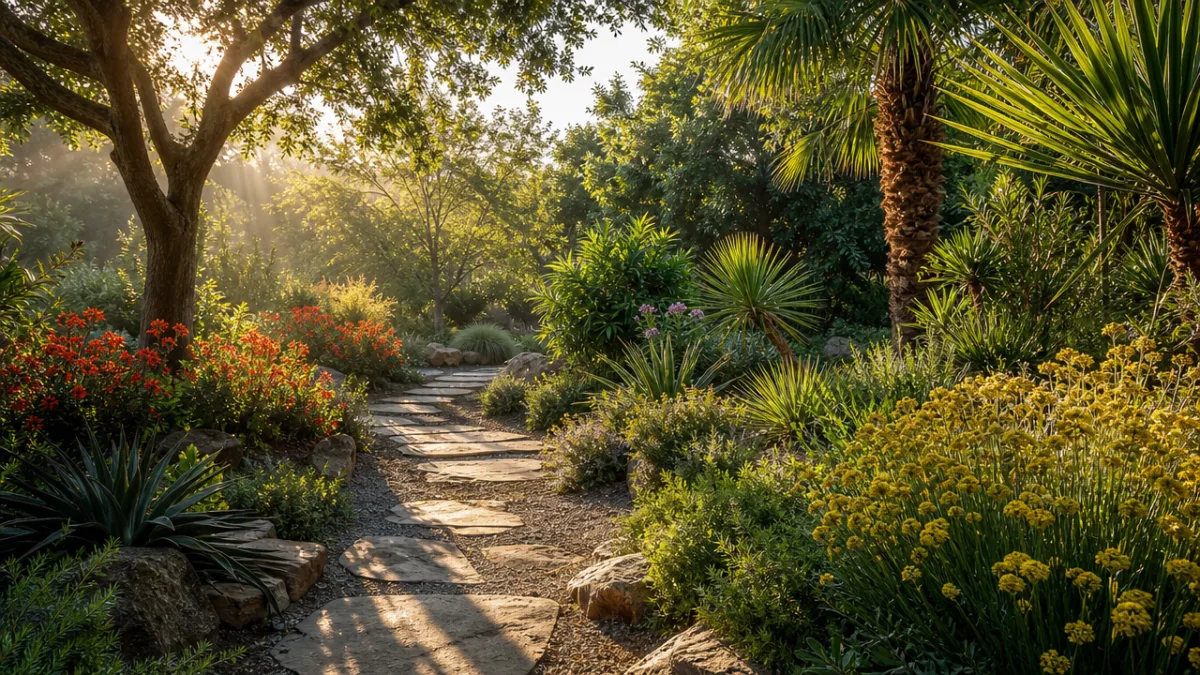
The landscape versatility of Myrsine cubana is one of its most compelling attributes from a design perspective. The plant lends itself naturally to use as a medium to tall hedge or privacy screen, growing to a mature height of between two and six meters depending on conditions and management. Its dense branching and persistent evergreen foliage maintain visual screening throughout the year, and it can be formally clipped into a neat, geometric hedge or allowed to develop a more natural, informal outline. The latter approach is particularly effective in native or naturalistic garden styles, where a relaxed aesthetic is desired and low-maintenance management is a priority.
As a specimen or anchor plant in mixed shrub borders, Myrsine cubana contributes reliable structure and year-round textural interest. It pairs particularly well with other Florida native shrubs such as Firebush (Hamelia patens), Wild coffee (Psychotria nervosa), and Beautyberry (Callicarpa americana), creating combinations that are both ecologically functional and visually harmonious. The dark, glossy foliage of Myrsine serves as an effective backdrop for flowering companions, making their blooms appear more vivid by contrast. In coastal gardens, its salt-tolerance makes it a valuable option for exposed positions where many ornamental shrubs would struggle to persist.
In urban and streetscape planting applications, Myrsine cubana has shown promise as a robust, low-input shrub capable of withstanding the challenging conditions typical of town environments, including compacted soils, air pollution, and the heat-island effect. Its moderate growth rate means it does not quickly outgrow confined spaces, reducing the need for frequent pruning and the associated maintenance costs. Municipal landscape managers in subtropical Florida communities have increasingly recognized the plant’s value as a practical and ecologically responsible alternative to many exotic and invasive ornamental shrubs that have historically dominated urban green infrastructure in the region.
Common Pests and Diseases
One of the notable advantages of growing Myrsine cubana is its generally robust constitution and resistance to serious pest and disease problems. When grown in conditions that suit its needs — good drainage, appropriate sunlight, and minimal waterlogging — the plant seldom encounters significant health issues. Occasional infestations of scale insects or mealybugs may occur, particularly on plants grown under stress or in sheltered indoor environments. These can typically be managed effectively through physical removal, targeted applications of horticultural oil, or the introduction of natural predatory insects such as ladybirds and lacewing larvae in garden settings.
Root rot caused by Phytophthora species represents the most serious disease threat to Myrsine cubana, and its occurrence is almost invariably linked to waterlogged or poorly drained soil conditions. Prevention through appropriate site selection and soil preparation is far more effective than any curative treatment. Improving drainage around established plants showing early symptoms — yellowing leaves, wilting despite moist soil, and dieback of stems — through targeted soil cultivation and the addition of grit or organic matter may arrest the disease’s progression in mild cases, but severely affected plants are generally difficult to save and are best replaced in a better-positioned, better-draining spot.
Leaf spot diseases caused by various fungal pathogens can occasionally disfigure the foliage, particularly during warm, humid periods with poor air circulation. Thinning the shrub periodically to improve airflow through its canopy is a sensible preventive measure, and ensuring that irrigation water is applied to the soil rather than overhead — wetting the foliage — also reduces the risk of fungal establishment. In the broader context of its hardiness and adaptability, these relatively minor potential issues should not deter gardeners from embracing Myrsine cubana; it remains among the easier native shrubs to cultivate successfully, even for those without extensive horticultural experience.
Conservation Status and Importance
While Myrsine cubana is not currently listed as a globally threatened species, certain populations within its range — particularly those in the highly fragmented and development-pressured ecosystems of southern Florida — face localized conservation challenges. The pine rockland and coastal hammock communities where the plant occurs in Florida are among the most endangered ecosystems in the United States, with less than two percent of the original pine rockland habitat outside Everglades National Park estimated to remain in a relatively intact condition. Within these remnant patches, Myrsine cubana serves as an indicator of ecosystem health and a keystone component of the shrub layer.
The horticultural promotion of Myrsine cubana by native plant nurseries and conservation organizations represents an important strategy for both raising public awareness of the plant and increasing the overall abundance of the species in human-managed landscapes. When gardeners choose to include it in their home gardens, they contribute in a small but meaningful way to the broader ecological network that sustains native birds and insects. Organizations such as the Florida Native Plant Society have long championed the use of plants like Myrsine cubana as living emblems of regional biodiversity, and the growing interest in Florida-friendly and environmentally responsible landscaping continues to drive demand for the plant from specialist nurseries.
Seed banking and ex-situ conservation efforts at botanical gardens in Florida and the Caribbean are helping to safeguard the genetic diversity of Myrsine cubana against the ongoing pressures of habitat loss, climate change, and sea-level rise, the latter of which poses a particular long-term threat to the low-lying coastal and island habitats that form a core part of the plant’s native range. By maintaining living collections and seed stores, institutions including Fairchild Tropical Botanic Garden in Miami and the Montgomery Botanical Center ensure that this valuable species remains available for future restoration work, scientific research, and public engagement with the extraordinary botanical heritage of the subtropical Americas.
Summary of Key Benefits
Myrsine cubana is a plant that rewards attention with an impressive range of benefits, spanning the ecological, horticultural, and aesthetic realms. For the wildlife gardener, its prolific berry production and dense structure make it an almost indispensable addition to any planting scheme aimed at supporting local biodiversity. For the landscape designer, its versatility, adaptability, and year-round good looks offer solutions across a wide variety of design briefs, from formal clipped hedging to naturalistic habitat gardens. For the conservation-minded grower, its status as a keystone native species imbues it with significance that transcends mere ornamental value.
- Drought tolerance: Once established, Myrsine cubana requires minimal supplemental irrigation, making it ideal for water-wise landscaping in subtropical and seasonally dry climates where irrigation resources are limited or costly.
- Wildlife value: The plant’s fruiting habit and dense structure make it one of the most valuable native shrubs for supporting birds, pollinators, and other wildlife in garden and restoration settings across its range.
- Low maintenance: Requiring little fertilization, infrequent pruning, and minimal pest management under appropriate growing conditions, it is an excellent choice for gardeners seeking beautiful results with reduced time and effort commitments.
- Versatility: Suitable for use as a specimen, hedge, screen, or component of mixed native plantings, Myrsine cubana adapts to a broad range of landscape styles and design intentions.
- Ecological significance: As a native species with a keystone role in threatened subtropical ecosystems, cultivating this plant in gardens contributes meaningfully to broader conservation and habitat connectivity goals.
In summary, Myrsine cubana stands as one of the most underappreciated gems of subtropical horticulture — a plant whose quiet, unassuming character belies a depth of ecological importance and landscape utility that few ornamental shrubs can rival. Whether encountered growing wild in the pine rocklands of southern Florida, fruiting prolifically in a wildlife garden, or clipped into a neat hedge along a coastal property boundary, it consistently delivers value, resilience, and beauty. As awareness of native plants and ecologically sensitive gardening continues to grow among homeowners, designers, and conservation professionals, Myrsine cubana is poised to take its rightful place at the forefront of subtropical horticulture for years to come.








What do you think?
It is nice to know your opinion. Leave a comment.