










Top Crafts To Make And Sell: Your Complete Guide to a Profitable Handmade Business
Why Selling Handmade Crafts Is a Genuine Business Opportunity
Honestly, there has never been a better time to sell handmade goods. Platforms like Etsy, Amazon Handmade, and local craft fairs have swung the door wide open for creative people who want to turn what they love doing into actual income. People are genuinely tired of buying the same mass-produced stuff everyone else has, and they are happy to spend more on something that feels personal and real. That shift in how people shop is a real opportunity, and plenty of crafters are already making the most of it.
The good news is that starting a craft business does not require a big investment, a business degree, or even a dedicated workspace. Plenty of successful sellers started at their kitchen table with a few basic supplies and their phone camera. What does matter is knowing which products actually sell, how to price them so you are making money, and how to present them in a way that makes people want to buy. The crafters who do well tend to be the ones who take their work seriously and approach it with some real intention and planning.
This guide covers the most profitable craft categories, how to get started without overcomplicating things, and how to grow your business as you go. Whether you are looking for a fun weekend side hustle or genuinely hoping to replace your day job income, handmade goods are a surprisingly accessible place to begin. The trick is picking the right crafts for your skills and interests, understanding who you are selling to, and consistently delivering quality that keeps people coming back.
Jewelry Making: One of the Most Consistently Profitable Crafts
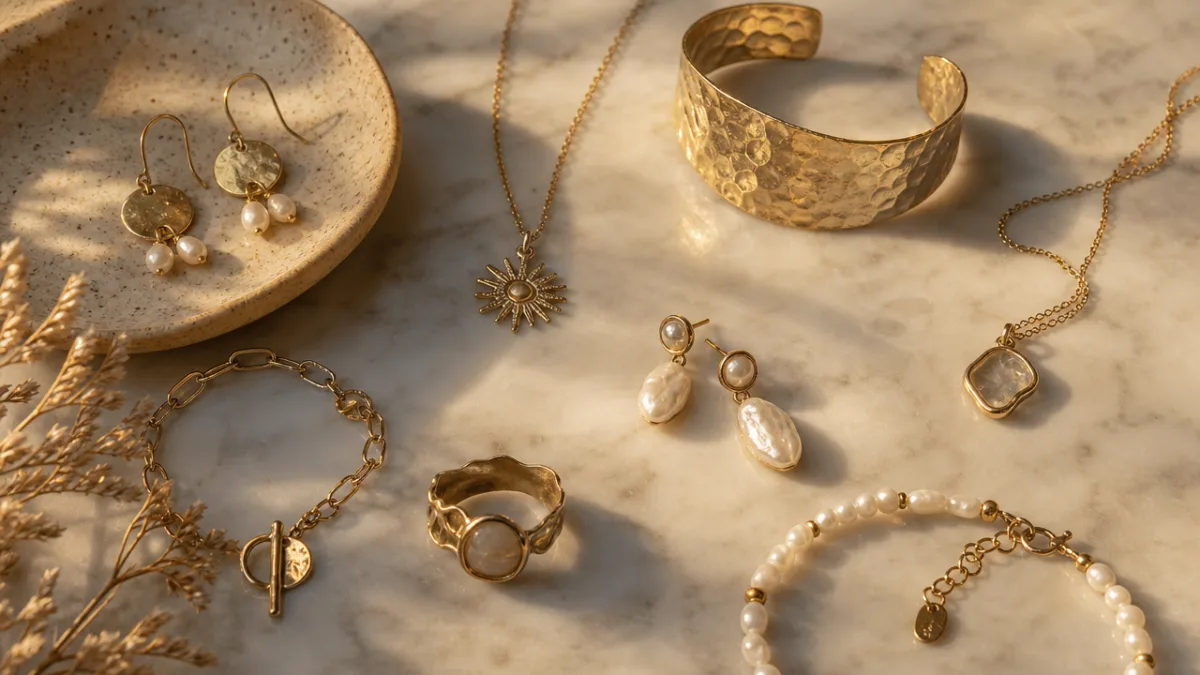
Handmade jewelry is consistently near the top of any list of crafts that actually sell, and for good reason. It is a huge category that covers everything from simple beaded earrings for beginners to intricate metalwork for more experienced makers. What makes jewelry so appealing as a product is that buyers perceive it as high value even when your material costs are relatively modest. A pair of earrings made with quality resin, pressed flowers, and sterling silver ear wires might cost you a couple of dollars to make but sell comfortably for eighteen to twenty-five dollars. That is a healthy margin by any measure.
Right now, some of the styles getting the most attention on Etsy and Pinterest include minimalist gold-filled pieces, nature-inspired designs with dried botanicals cast in resin, crystal and gemstone jewelry, and anything personalized with names or initials. Personalization is especially powerful because it creates a real emotional connection. When someone buys a necklace featuring their child’s birthstone or their own initial, that piece means something to them in a way a mass-produced item simply cannot, and that meaning makes the price feel completely worth it.
You do not need to invest in expensive metalworking equipment to get started. Polymer clay, resin casting, wire wrapping, and bead weaving are all great entry points with low startup costs. As you build your skills and your customer base, you can reinvest your profits into better tools and materials over time. Getting involved in online jewelry-making communities is also really worth doing — you will pick up techniques faster, get help when things go wrong, and stay tuned in to the trends buyers are actually looking for.
Candles and Wax Melts: A High-Demand Product With Excellent Margins
Candle making has taken off as both a hobby and a small business, and it is easy to see why. The startup costs are manageable, you can learn the basics in just a few practice sessions, and the finished product looks gorgeous in photos — which matters a lot when you are selling online. Soy wax candles in particular have found a big and enthusiastic market because shoppers are actively looking for cleaner, more sustainable options than traditional paraffin candles. Get the wax, fragrance oils, and vessel choices right, and you have a product that can realistically sell for anywhere from fifteen to forty dollars depending on the size and how you position it.
Wax melts are a natural companion product to candles and worth adding to your shop early on. They are quicker to produce, do not require wicks or complicated pouring, and sell really well in multi-pack sets that bring up your average order value. Seasonal and holiday scents are reliable bestsellers every year, so you can plan your production schedule around those predictable demand peaks in autumn and winter. Releasing limited edition seasonal collections also creates a sense of urgency that brings repeat customers back each year to see what is new.
Where a lot of candle businesses really stand out is in their branding and packaging. Because candles are a fairly common product, how yours looks and feels is a major differentiator. Thoughtful labels, a cohesive color palette, and packaging that feels special can take your candles from homemade to boutique-quality in a buyer’s eyes. Many of the most successful candle businesses build their whole identity around a theme — coastal living, woodland botanicals, pop culture — and that story is what turns a one-time buyer into someone who tells all their friends about your shop.
Resin Art and Functional Resin Products
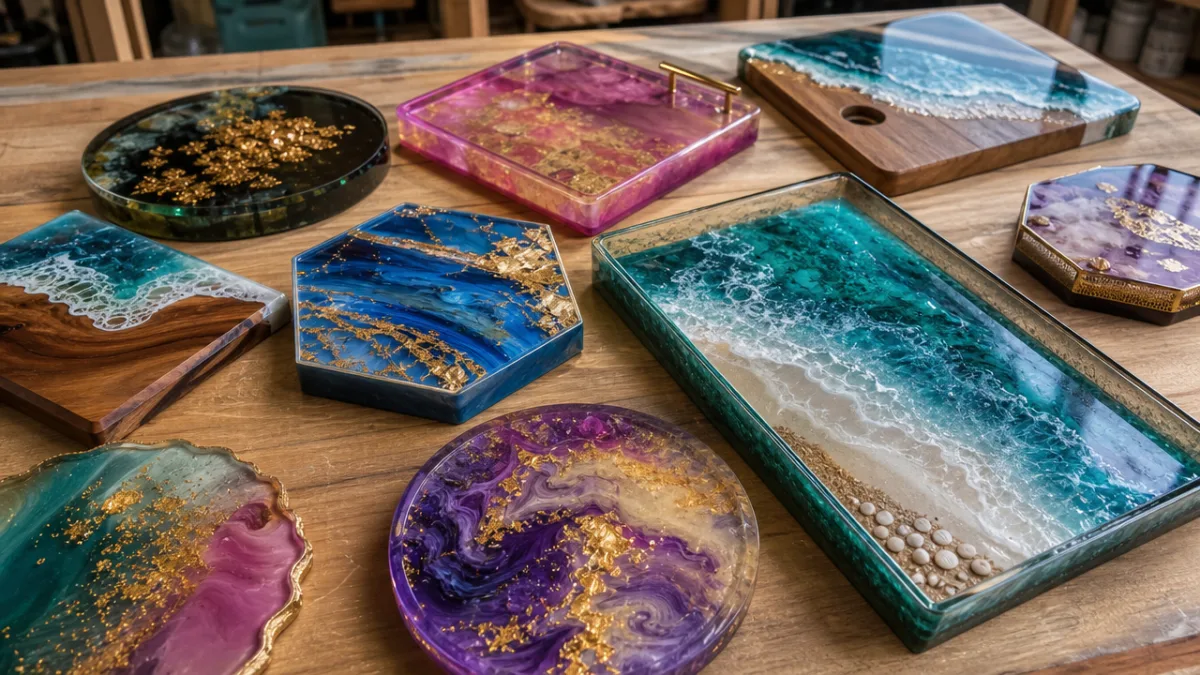
Epoxy resin has opened up a genuinely exciting world of creative possibilities that translate really well into products people want to buy. Decorative trays, coasters, keychains, abstract art panels, river tables — resin can do a lot, and the results are visually striking in a way that is hard to achieve with other materials. Those swirling colors, embedded botanicals or glitter, and glass-smooth finishes photograph beautifully, which makes resin pieces naturally well-suited to platforms like Instagram and Pinterest where great visuals drive sales.
Functional resin products tend to be especially strong sellers because they combine good looks with actual everyday usefulness. Personalized resin coasters are a staple of craft markets and Etsy shops everywhere. You can customize the colors to match a buyer’s home decor, embed dried flowers or metallic flakes, and sell them in sets of four or six. Serving trays, charcuterie boards with resin accents, and jewelry dishes all fall into that same sweet spot of beautiful and practical that buyers find really hard to resist, especially when they are shopping for a gift.
One thing worth knowing upfront is that resin work does require some safety precautions — proper ventilation and respiratory protection are genuinely important when working with uncured epoxy. Once your workspace is set up safely, the process becomes very manageable and actually quite enjoyable. A lot of crafters find that adding a UV resin setup for smaller pieces like jewelry and keychains gives them faster curing times and a lot more flexibility in their day. The resin community online is one of the friendliest and most helpful craft communities out there, full of tutorials and tips that make it a great niche to jump into.
Printables and Digital Products: The Scalable Side of Craft Selling
Digital printables are not a traditional handmade craft in the physical sense, but they absolutely belong in this conversation because they offer something physical products cannot: you make the thing once, and you can sell it forever without any additional work on your end. Wall art, planners, budget trackers, recipe cards, birthday banners, kids’ educational worksheets — the market for printables is huge and growing as more people embrace digital tools for organizing and decorating their lives. It is one of the most genuinely scalable income streams a creative person can build.
The main investment here is design software and your time. Canva is a popular and very accessible starting point, and Adobe Illustrator or free alternatives like Inkscape work well too. Before you spend serious time creating anything, browse what is selling well on Etsy in the printables category. Read the reviews on top listings carefully — buyers will tell you exactly what they love and what they wish were different, and that feedback is invaluable for designing something that fills a real gap from the very beginning.
Bundles are one of the best strategies in the printables market. Rather than selling a single budget tracker page, you could put together a comprehensive household budget system with twelve coordinating sheets and sell it as a complete bundle. Buyers feel like they are getting strong value, and you earn significantly more per transaction than you would from individual page sales. Seasonal and holiday printables also do really well in the weeks leading up to major holidays, so mapping your creation schedule to the retail calendar lets you capture that surge in buyer interest at exactly the right time.
Knitting, Crochet, and Fiber Arts: Timeless Crafts With Modern Appeal
Fiber arts have had a real comeback, especially among younger makers who are drawn to the meditative, hands-on quality of knitting and crochet and love the cozy, tangible results. There is a warmth and authenticity to handmade knitwear and woven goods that speaks directly to people who are tired of fast fashion and generic home decor. You can feel the care in a beautifully crafted chunky knit blanket or a delicate lace shawl in a way that just does not come across in anything mass-produced, and buyers respond to that.
Some of the strongest-selling fiber art products right now include chunky knit and crochet blankets, market bags, plant hangers, baby clothing and accessories, and boho-style wall hangings. Baby items made from natural, hypoallergenic yarns are particularly reliable sellers because parents are willing to invest in quality when it comes to their kids. And personalization, again, makes a big difference — a hand-knitted baby blanket with a child’s name or birth date on it becomes a genuine keepsake rather than just a blanket, and that emotional value absolutely justifies a higher price that buyers are happy to pay.
One of the biggest challenges fiber arts sellers face is pricing fairly for the time these pieces take to make. It is really common to look at material costs alone and price based on that, completely undervaluing the hours of labor involved. A better approach is to research what buyers at the premium end of the market are actually paying, then work backwards to choose your yarns and design your products so your costs and pricing can support a real profit margin. Selling patterns and tutorials alongside finished pieces is also a smart way to earn additional income from the creative work you are already putting in.
Tips for Launching and Growing Your Craft Business
Getting those first few sales is genuinely the hardest part, mostly because it is a visibility problem more than anything else. Pinterest and Instagram are incredibly powerful free marketing tools for visual products like handmade crafts, and consistently showing up there — posting regularly, using relevant hashtags, and actually engaging with communities of people who might become buyers — builds an audience that becomes one of your most valuable business assets over time. Think of your social media presence less like advertising and more like building a community of people who genuinely share your love for beautiful, well-made things.
Good photography might be the single most impactful investment you make in your business, and the great news is that you probably already have what you need. A modern smartphone, decent natural light, a clean simple background, and some thoughtful composition will get you a long way. Spend some time studying the photos used by top sellers in your category and pay attention to their angles, lighting, and styling choices. Flat lays, lifestyle shots showing the product actually being used, and close-up detail shots all do different jobs, and together they tell a complete visual story that helps buyers feel confident clicking that purchase button.
Pricing is something worth thinking through carefully from the start and revisiting as your business grows. A simple starting formula: add your material costs, multiply your hourly rate by the time each piece takes to make, add a percentage for overhead like platform fees and packaging, then add your desired profit margin. A lot of new sellers look at that number, feel like it is too high, and discount their prices to compete with cheaper listings. Try to resist that instinct. People who buy handmade are not primarily shopping for the lowest price — they are buying quality, story, and a connection to the person who made the thing. Your pricing should reflect that.
Never underestimate how much exceptional customer service can grow your business. Responding to messages quickly, shipping promptly, packaging your products beautifully, and tucking in a handwritten note or a small surprise with each order creates an experience people genuinely remember and talk about. Word-of-mouth from happy customers is the most effective and least expensive marketing you can do, and the way to earn it is to make every single person who buys from you feel genuinely cared for — from the moment they find your listing to the moment they open the package at home.
- Start with one product category and master it before expanding into other areas — depth beats breadth when you are building a reputation for quality.
- Research your market thoroughly before investing heavily in supplies — understanding what buyers actually want saves time and money.
- Invest in good photography from the very beginning, because even the most beautiful handmade item will not sell if it is poorly photographed.
- Price for profit, not just for sales — underpricing your work is not a sustainable strategy and ultimately devalues the entire handmade market.
- Build your email list as early as possible — owning direct access to your customer base is more valuable than any social media following.
- Engage with your community of fellow crafters and buyers online — generosity and authenticity build the kind of trust that turns followers into customers.
Plenty of people make the leap from hobbyist crafter to confident business owner every single year, and the thing they tend to have in common is not unusual talent or a big starting budget. It is showing up consistently, paying attention to what the market is telling them, and genuinely loving the work they do. The craft categories in this guide all have real, proven demand behind them — but the biggest factor in your success will always be the care you bring to every piece you make and every person you sell to. Start small, start now, and let it grow from there.








What do you think?
It is nice to know your opinion. Leave a comment.