










Amur Maackia: A Complete Guide to This Remarkable Ornamental Tree
Introduction to Amur Maackia
Amur Maackia (Maackia amurensis) is a deciduous tree native to the temperate forests of northeastern China, Korea, and the Russian Far East, particularly the Amur River region from which it takes its name. Belonging to the legume family Fabaceae, this slow-growing but long-lived tree has earned a devoted following among horticulturists, landscape designers, and gardening enthusiasts across the Northern Hemisphere. Its combination of ornamental features, ecological adaptability, and low maintenance requirements makes it a genuinely exceptional choice for a wide variety of garden settings.
First described to Western science in the nineteenth century by Russian botanist Richard Maack, this tree was later honored with his name. Despite its relatively obscure origins, Amur Maackia has steadily gained recognition in North American and European horticulture over the past several decades. It thrives in USDA hardiness zones 3 through 7, making it one of the tougher ornamental trees available to gardeners in cold climates where many other flowering trees simply cannot survive harsh winters. This cold hardiness is one of its most celebrated attributes.
What truly sets Amur Maackia apart from its competitors in the ornamental tree market is the breadth of its seasonal interest. Unlike many trees that offer beauty in a single season, this species delivers attractive features from spring through autumn and even into winter. Its silvery, peeling bark provides year-round sculptural interest, while its spring foliage, summer flowers, and autumn seed pods each contribute a distinct visual chapter to the garden calendar. For the thoughtful gardener seeking maximum return on a single planting, Amur Maackia is difficult to surpass.
Physical Characteristics and Growth Habits
Amur Maackia typically matures into a small to medium-sized tree, reaching heights of 20 to 30 feet with a spread of similar dimension, forming a broad, rounded crown that casts pleasant dappled shade. Its growth rate is characteristically slow, advancing perhaps 6 to 10 inches per year under favorable conditions, which initially may discourage impatient gardeners but ultimately proves to be an asset. Slow-growing trees tend to develop exceptionally dense, durable wood and rarely require the corrective pruning that faster-growing species demand over time.
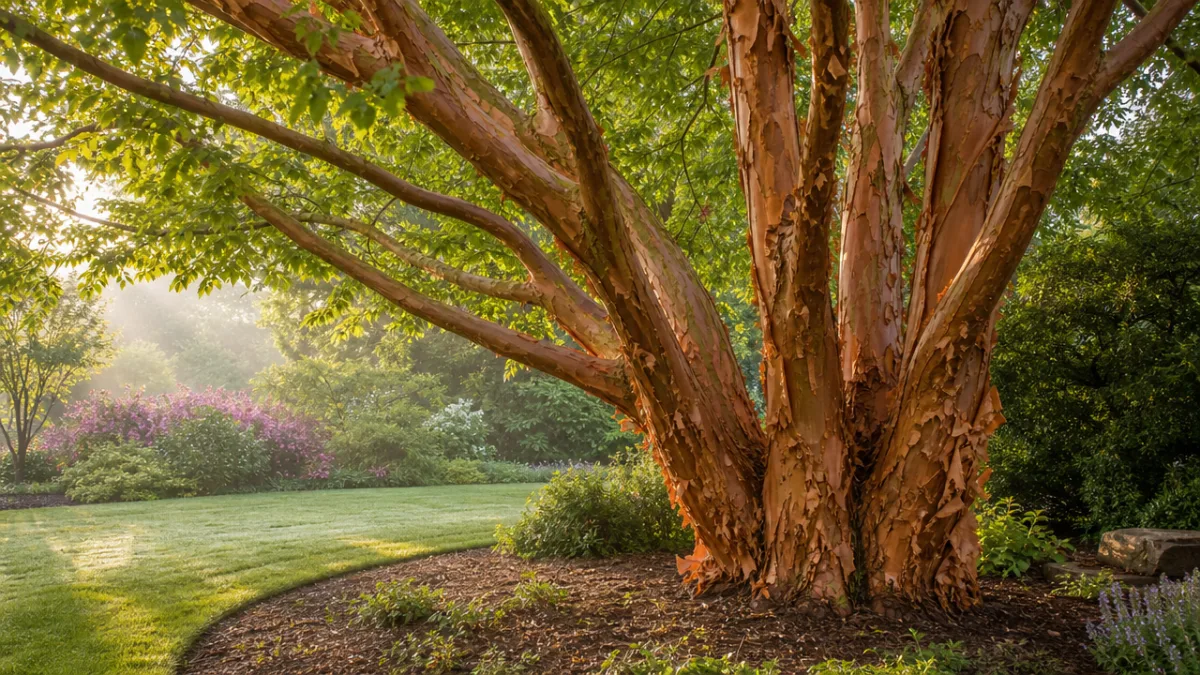
The bark is among the most visually distinctive features of mature specimens. Young stems display a handsome olive-green to amber coloration, but as the tree ages the outer bark peels and curls away in thin, papery strips, revealing layers of warm coppery-brown and golden-tan beneath. This exfoliating bark effect is particularly striking in winter and early spring, when the tree stands bare and the bark’s sculptural quality can be fully appreciated without the distraction of foliage. Positioned near a pathway or patio where it can be observed up close, the bark alone justifies the tree’s inclusion in a garden design.
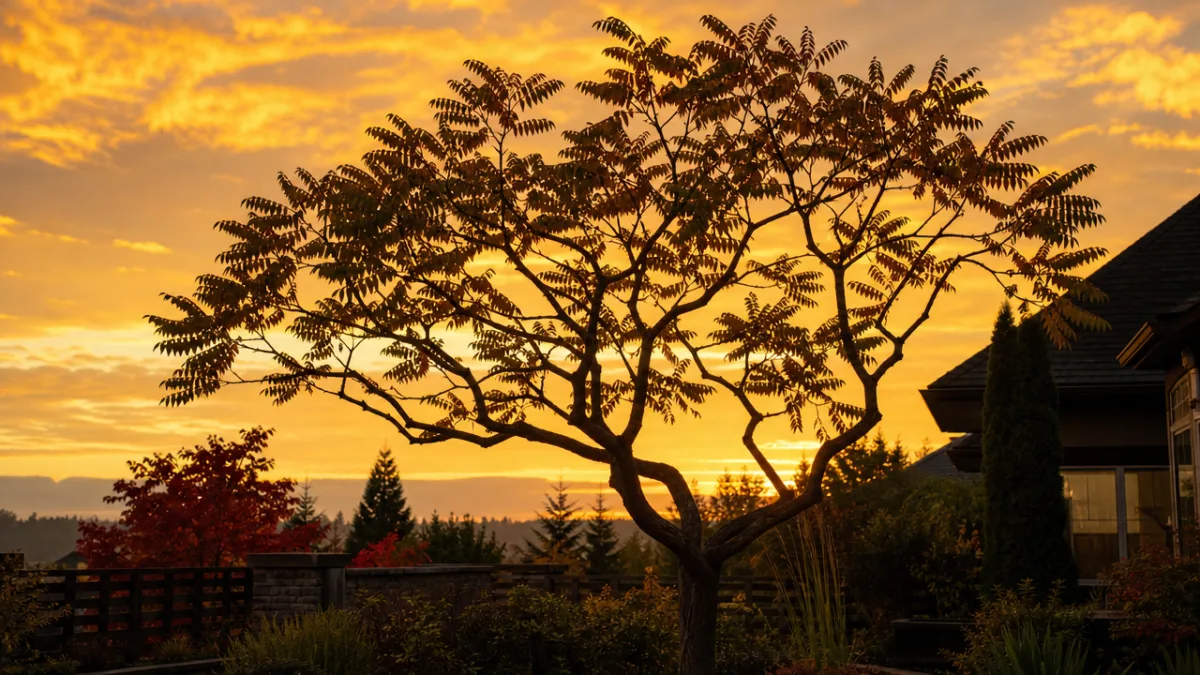
The foliage of Amur Maackia emerges in spring with a notable silvery-blue sheen caused by fine silky hairs covering the young leaflets, which gives the tree an almost ethereal, soft appearance during its earliest growth phase. As the season progresses, these leaves mature into a handsome, deep blue-green pinnately compound form, each leaf composed of 7 to 11 oval leaflets arranged along a central stem. The compound leaf structure lends the tree a fine, elegant texture that contrasts beautifully with coarser-leaved neighbors in mixed plantings, and the foliage remains attractive and disease-free well into autumn before dropping cleanly without significant color change.
Flowering and Ornamental Value
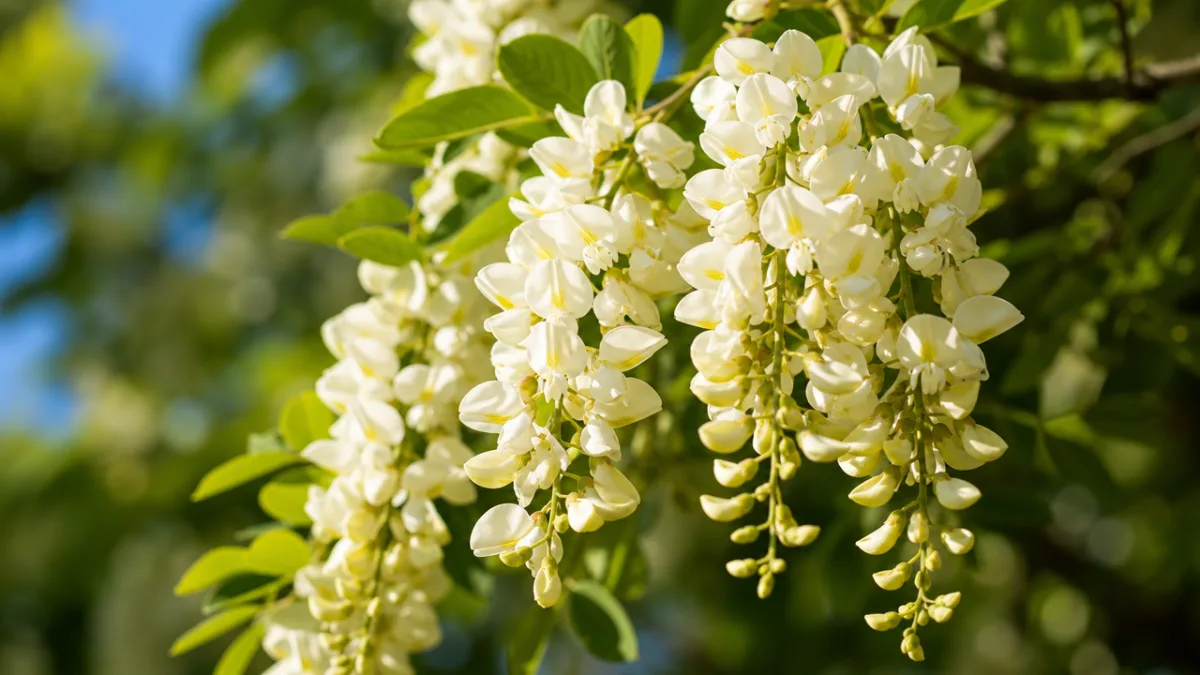
The flowering season of Amur Maackia is one of its most celebrated characteristics, and its timing is strategically valuable in a well-planned landscape. The tree blooms in mid to late summer, typically July through August depending on climate and location, producing upright racemes of small, creamy white to pale ivory flowers that somewhat resemble those of wisteria or lupine in their pea-like structure. This midsummer bloom period fills a notable gap in many garden flowering calendars, when spring-blooming trees have long finished and summer perennials may be waning in the heat.
The flower clusters, or racemes, stand erect above the foliage in dense, candle-like formations reaching 4 to 6 inches in length, creating a soft, luminous effect across the canopy during the bloom period. While the flowers are not intensely fragrant, they do emit a subtle, pleasant scent that can be detected on warm evenings, adding a sensory dimension to the tree’s appeal. Pollinators, particularly native bees and honeybees, are strongly attracted to the blooms, making Amur Maackia a genuinely valuable addition to any garden designed with ecological function in mind. The tree’s role in supporting pollinators during a period when few other trees are flowering cannot be overstated.
Following the flowering period, Amur Maackia produces flat, narrow seedpods that persist on the branches well into autumn and occasionally through the early winter months. These pods, measuring approximately 2 to 3 inches in length, are not particularly ornamental in themselves but add a subtle textural interest and provide food for certain bird species. Because the tree is a legume, its root system hosts nitrogen-fixing bacteria, which means it actively improves soil fertility as it grows, benefiting surrounding plants and gradually enriching the garden ecosystem. This combination of above-ground beauty and below-ground ecological service makes Amur Maackia a genuinely multifunctional landscape plant.
Growing Conditions and Planting Guide
One of the principal reasons that horticulturists and landscape professionals recommend Amur Maackia so enthusiastically is its remarkable adaptability to a wide range of growing conditions. The tree thrives in full sun and tolerates partial shade, though flowering is most prolific and reliable when the tree receives at least six hours of direct sunlight daily. In terms of soil, it is exceptionally unfussy, tolerating clay soils, sandy soils, alkaline conditions, and even compacted urban soils that would stress or kill many other ornamental trees. This resilience makes it particularly suitable for challenging urban and suburban landscape scenarios.
When selecting a planting site, consider the tree’s mature spread of 20 to 30 feet and position it accordingly, giving it adequate room to develop without future conflict with structures, utilities, or neighboring trees. The ideal soil conditions, if the gardener has the luxury of choosing, would be well-drained loam with a neutral to slightly acidic pH, though the tree will perform respectably in conditions well outside this ideal. Newly planted specimens should be watered regularly during their first two growing seasons to establish a deep, resilient root system, after which they typically require no supplemental irrigation except during periods of prolonged drought.
Amur Maackia’s cold hardiness deserves special emphasis for gardeners in northern regions. The tree has been successfully cultivated in Zone 3 climates, where winter temperatures may drop to minus 40 degrees Fahrenheit, making it one of the hardiest flowering trees in cultivation. This exceptional cold tolerance, combined with its tolerance for urban pollution, road salt spray, and compacted soils, places it in a very small category of trees capable of thriving in the most challenging northern urban environments. Cities like Minneapolis, Chicago, and Toronto, where winters are severe and road salt is a perennial concern, have begun incorporating Amur Maackia more widely into their street tree programs.
Pruning requirements for Amur Maackia are minimal, which is a significant advantage for homeowners and municipal parks departments alike. The tree naturally develops an attractive, rounded form and rarely requires corrective pruning beyond the removal of dead, damaged, or crossing branches. Any structural pruning is best performed in late winter before new growth begins, or in summer after flowering has concluded. The slow growth rate means that once established, the tree remains manageable in scale for many decades, unlike faster-growing trees that can quickly outgrow their allotted space and require expensive removal or heavy pruning to control.
Landscape Uses and Design Applications
The versatility of Amur Maackia in landscape design is genuinely impressive, and creative designers have found productive applications for it across a broad spectrum of project types. As a specimen tree planted singly in a lawn or garden bed, it commands attention through all four seasons with its ornamental bark, elegant foliage, and summer flowers. Its relatively modest mature size makes it suitable for smaller residential properties where a full-sized shade tree would be overwhelming, and its clean, disciplined form requires no elaborate framing or supporting plantings to look intentional and refined.
In more complex landscape compositions, Amur Maackia works beautifully as an anchor in mixed shrub and perennial borders, where its fine-textured compound foliage provides an elegant backdrop for larger-leaved shrubs like hydrangeas, viburnums, and oakleaf hydrangeas. Its midsummer bloom period aligns well with many perennial flowers, including coneflowers, black-eyed Susans, Russian sage, and ornamental grasses, creating pleasing plant community partnerships that peak simultaneously. Designers working on prairie-inspired or naturalistic garden styles will find Amur Maackia a sympathetic companion to these informal, ecologically oriented aesthetic approaches.
Urban and commercial landscape applications are another area where this tree has demonstrated outstanding performance. Its tolerance for reflected heat from pavement, air pollution, compacted soils, and road salt spray makes it a logical candidate for parking lot islands, street tree pits, median plantings, and other harsh urban environments where tree establishment is typically difficult and expensive. Several progressive municipal forestry programs in the Upper Midwest and Northeast have identified Amur Maackia as a valuable species for diversifying their urban tree canopy, reducing the vulnerability that comes from over-reliance on any single species, particularly in the wake of catastrophic losses from invasive pests like emerald ash borer.
Pest, Disease Resistance, and Ecological Benefits
Among the many virtues of Amur Maackia, its exceptional resistance to pests and diseases stands out as particularly significant in an era when so many beloved landscape trees are under siege from introduced pathogens and invasive insects. The tree has demonstrated strong resistance to most common fungal diseases, including the anthracnose, leaf spots, and cankers that plague many other deciduous trees in humid climates. Verticillium wilt, one of the most destructive soil-borne fungal diseases affecting landscape trees, appears to pose little threat to established Amur Maackia specimens, though young trees in heavily infected soils may show some sensitivity.
No significant insect pests have been identified as major threats to Amur Maackia in North American cultivation, which is a remarkable distinction for any tree. The emerald ash borer, which has decimated ash tree populations across North America, shows no interest in Amur Maackia. Similarly, the Asian longhorned beetle, which threatens maples and other hardwoods, does not target this species. This freedom from serious pest pressure translates directly into reduced maintenance costs, lower pesticide use, and greater ecological integrity, all of which align with contemporary sustainable landscaping principles that prioritize the reduction of chemical interventions in garden management.
The ecological contributions of Amur Maackia extend well beyond its resistance to pests and its nitrogen-fixing root system. As a member of the legume family, it participates in a symbiotic relationship with Rhizobium bacteria in the soil, converting atmospheric nitrogen into forms available to surrounding plants and gradually improving soil fertility without any need for synthetic fertilizer inputs. This process, known as biological nitrogen fixation, is one of the most ecologically significant services that any plant can provide, and it makes Amur Maackia a particularly welcome addition to garden ecosystems designed around principles of soil health and reduced chemical dependency.
Wildlife value, while not the tree’s primary selling point, is nonetheless genuine and meaningful. The summer flowers attract a diverse range of native and managed bee species during a period when many other flowering plants have concluded their bloom cycles, making the tree a valuable late-season nectar source. The persistent seed pods provide some food value for birds, and the dense, rounded canopy offers nesting habitat for various songbird species. In garden designs that explicitly prioritize wildlife habitat creation alongside ornamental appeal, Amur Maackia represents a compelling option that satisfies both objectives without significant compromise to either.
Cultivation Tips, Varieties, and Where to Find Plants
Although Amur Maackia remains less widely available than more mainstream ornamental trees like Japanese maples or flowering cherries, its commercial availability has expanded meaningfully in recent years as awareness of its qualities has grown among both professional horticulturists and knowledgeable home gardeners. Specialty nurseries, mail-order tree suppliers, and progressive garden centers in northern regions are increasingly stocking this species, and it can often be located through regional native and specialty plant sales hosted by botanical gardens and horticultural societies. Patience in sourcing is typically rewarded, as trees purchased from reputable specialist growers tend to be healthy, well-established, and correctly identified.
Several cultivated varieties and closely related species offer gardeners some choice within the Maackia genus. Maackia amurensis ‘Starburst’ is a selected cultivar noted for particularly heavy and reliable flowering. Maackia chinensis, the Chinese Maackia, is a closely related species with similar ornamental characteristics and somewhat greater heat tolerance that makes it suitable for slightly warmer climates extending into Zone 8. When comparing specimens at a nursery, look for trees with well-developed central leaders, healthy bark free of cracks or cankers, and vigorous current-season growth. Avoid containerized specimens that appear root-bound or show signs of stress, as Amur Maackia establishes most reliably from young, healthy stock.
For gardeners interested in propagating their own plants, Amur Maackia can be grown from seed collected from mature pods in autumn. Seeds benefit from scarification, either by nicking the hard seed coat with a file or by brief exposure to hot water, followed by cold stratification in a moist medium for 60 to 90 days before spring sowing. Germination rates from properly prepared seed are generally good, though the resulting seedlings will require several years of growth before they develop into transplantable specimens of useful size. Softwood cuttings taken in early summer can also be rooted under mist with the aid of rooting hormone, though success rates are variable and this method requires more technical skill and equipment than seed propagation.
To summarize the key cultivation requirements and benefits that make Amur Maackia worth seeking out, the following points capture the essential information every prospective grower should keep in mind:
- Hardiness: USDA Zones 3 through 7, tolerating extreme cold and urban conditions with equal composure
- Size: 20 to 30 feet tall and wide at maturity, forming a broad, rounded, low-maintenance crown
- Light: Full sun preferred, tolerates light partial shade without significant loss of flowering performance
- Soil: Adaptable to clay, sand, loam, and alkaline soils, drought-tolerant once established
- Bloom time: Mid to late summer, filling a gap in most garden flowering calendars
- Ecological benefits: Nitrogen fixation, pollinator support, pest and disease resistance
- Maintenance: Minimal pruning required, no significant pest or disease management necessary
Amur Maackia represents exactly the kind of underutilized, high-performing plant that rewards the curious and open-minded gardener willing to look beyond the familiar choices crowding most nursery sales lots. Its combination of cold hardiness, urban toughness, four-season ornamental interest, ecological functionality, and low maintenance requirements positions it as one of the most genuinely valuable small to medium trees available for northern and transitional climates. As the gardening community continues its welcome shift toward plants that contribute meaningfully to ecological health while also delivering aesthetic beauty, Amur Maackia seems poised to take its rightful place among the most celebrated trees of the twenty-first century garden.








What do you think?
It is nice to know your opinion. Leave a comment.