










Budget-Friendly Home Makeover: Affordable Ideas to Transform Your Space
The Power of a Fresh Perspective: Why a Makeover Doesn’t Have to Break the Bank
Many homeowners assume that transforming their living space requires a significant financial investment, but this simply isn’t true. Some of the most dramatic and satisfying home makeovers in design history have been achieved with minimal budgets and maximum creativity. The key lies in shifting your perspective — learning to see potential where others see limitations, and recognizing that thoughtful design choices always outweigh expensive purchases.
The home improvement industry generates billions of dollars annually by convincing consumers that new is always better. Retailers and renovation shows glamorize gut renovations and high-end finishes, leaving everyday homeowners feeling like their spaces are perpetually inadequate. But interior designers and stylists who work across all budget levels will tell you the same thing: the principles of good design — proportion, color, texture, and light — cost nothing to apply and everything to ignore.
Before you spend a single dollar, the most important step is to audit what you already own. Walk through your home with fresh eyes and ask yourself what is truly not working versus what simply feels familiar and stale. Many times, the furniture and accessories you already have can be rearranged, repurposed, or refreshed to create an entirely new atmosphere. This mental reset is the foundation of every successful budget makeover, and it costs absolutely nothing to do.
Decluttering and Deep Cleaning: Your Free Starting Point
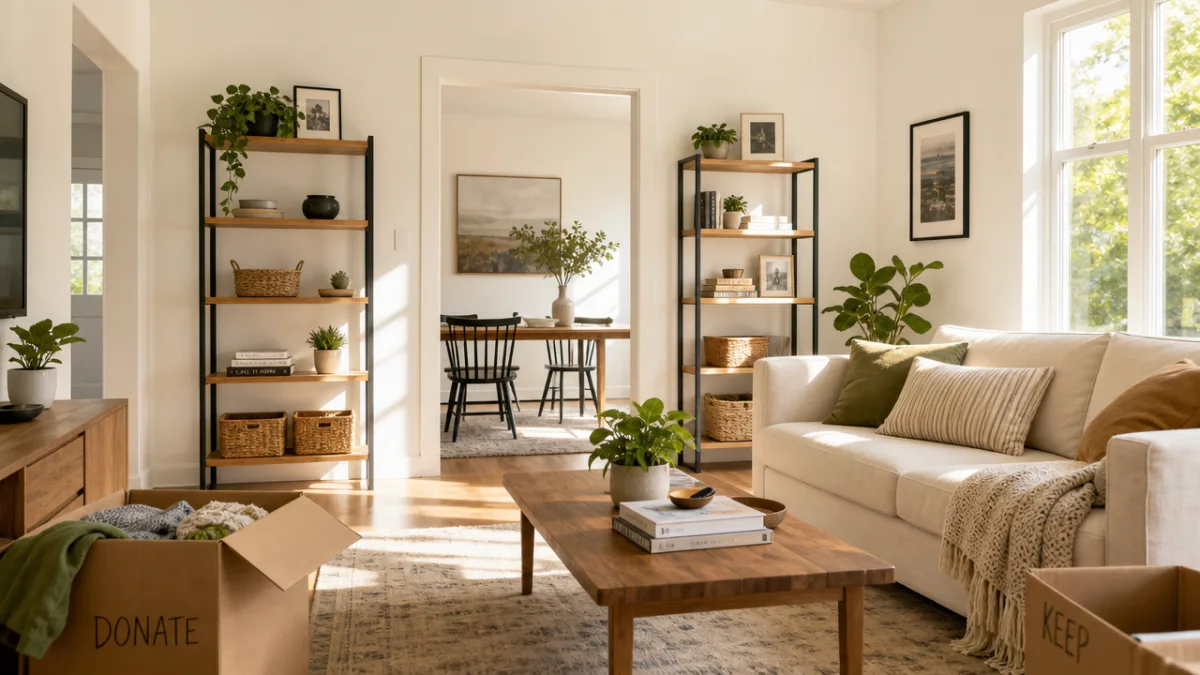
No amount of new décor can save a space that is cluttered, disorganized, or dirty. Before investing any money in your home transformation, committing to a thorough decluttering session is essential. Research in environmental psychology consistently shows that cluttered environments elevate stress hormones and reduce feelings of well-being, meaning that simply removing excess items from your home can have a measurable positive impact on your quality of life and your perception of your space.
A deep clean goes hand in hand with decluttering and is equally transformative. Washing windows allows dramatically more natural light into a room, scrubbing grout lines in kitchens and bathrooms can make old tile look nearly new, and cleaning baseboards, light fixtures, and ceiling fans removes the subtle layer of grime that makes even well-furnished rooms feel tired and neglected. Professional cleaning services charge hundreds of dollars for what you can accomplish yourself over a weekend with basic supplies and genuine effort.
Once your space is clean and clear, you will likely find that the room already looks and feels better than you expected. This clarity also allows you to assess your space more accurately and make smarter decisions about where to invest your renovation budget. You may discover that a room needs far less than you thought, or you may identify one truly impactful change — a new rug, a painted accent wall, or updated lighting — that will serve as the room’s focal point and guide the rest of your decisions.
The Transformative Impact of Paint: Color as Your Most Powerful Tool
Paint is universally acknowledged by interior designers as the single highest-return-on-investment upgrade available to homeowners. For a relatively modest cost — typically between twenty and sixty dollars per gallon depending on brand and finish — you can completely transform the mood, perceived size, and personality of any room in your home. No other change you can make delivers such dramatic visual results for such a small financial outlay, which is why paint is the cornerstone of virtually every budget home makeover.
Understanding basic color theory will help you choose paint colors that genuinely work rather than simply following passing trends. Cool tones like soft blues, sage greens, and muted grays tend to make spaces feel calm, airy, and larger than they are — ideal for small bedrooms, bathrooms, or open-plan living areas. Warm tones like terracotta, warm white, ochre, and deep rust create intimacy and coziness, making them perfect for dining rooms, home offices, and reading nooks. Selecting the right undertone matters enormously, and always test paint samples on your actual walls before committing to a full gallon.
Beyond full wall painting, there are several creative paint techniques that can elevate a space further without significant additional cost. An accent wall in a deep, saturated color can create a dramatic focal point in a living room or bedroom. Painting your ceiling a soft color — rather than defaulting to standard white — adds unexpected visual interest and architectural warmth. Color-blocking, two-tone walls, and even simple painted geometric patterns are trending techniques that require only painter’s tape, a steady hand, and a willingness to experiment with your space.
Furniture painting is another powerful and often overlooked tool in the budget makeover arsenal. An outdated wooden dresser, a brass-hardware cabinet, or a tired wooden dining table can be completely reinvented with the right primer, paint, and finish. Chalk paint in particular has become a favorite among DIY enthusiasts because it adheres to most surfaces with minimal preparation, dries quickly, and can be sealed with wax or matte varnish for a durable, professional-looking result. Thrift store finds that might otherwise seem unusable become design centerpieces with the right coat of color.
Thrift Stores, Marketplaces, and the Art of Secondhand Shopping
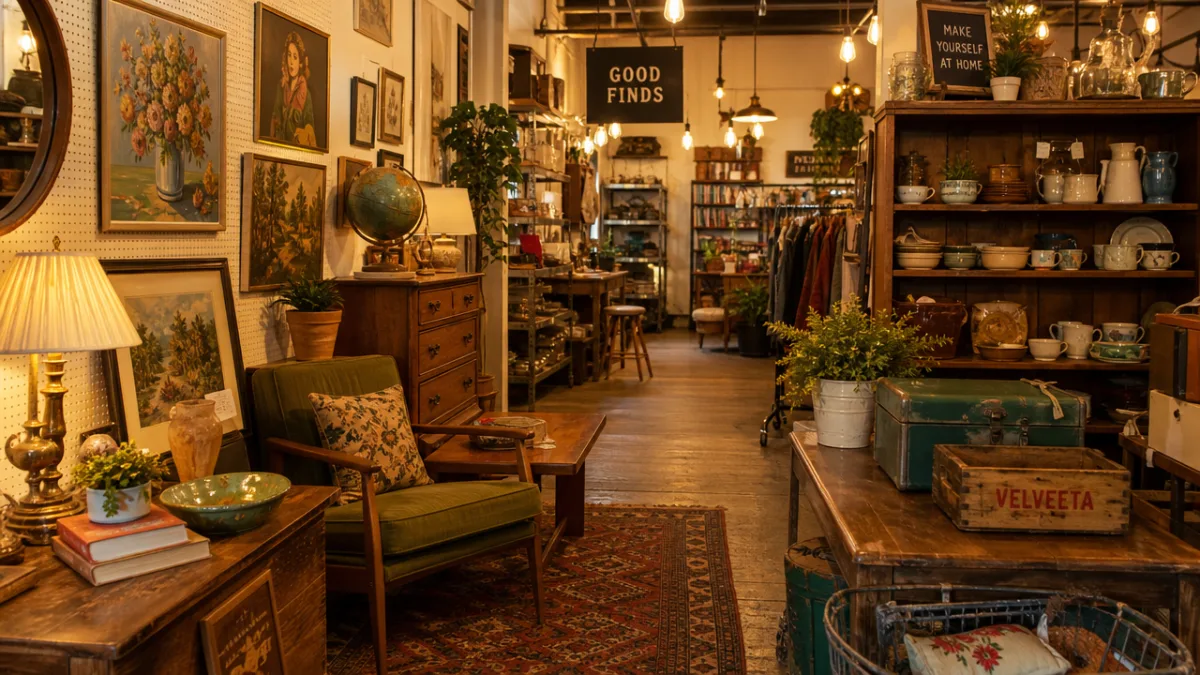
The secondhand furniture and décor market has undergone a remarkable transformation over the past decade. What was once considered a last resort for those with no financial choice has become a deliberate lifestyle choice for design-conscious homeowners who understand that unique, high-quality pieces are often found not in big-box retail stores but in thrift shops, estate sales, Facebook Marketplace listings, and local consignment boutiques. The environmental benefits of buying secondhand are also significant, making this approach both economically and ecologically responsible.
Developing a good eye for secondhand shopping is a skill that improves with practice. Focus on the bones of a piece — its structure, proportion, and construction quality — rather than its current surface appearance. A solidly built wooden dresser with an outdated finish can be sanded and painted into something extraordinary. A well-framed sofa with ugly upholstery can be reupholstered or slipcover for a fraction of the cost of a new piece. Ask yourself whether the piece is well-made and correctly proportioned for your space; if the answer is yes, surface imperfections are rarely a reason to walk away.
Online platforms have significantly expanded access to secondhand finds. Facebook Marketplace, Craigslist, OfferUp, Poshmark Home, and local buy-nothing groups regularly feature high-quality furniture and décor items at dramatically reduced prices. Moving sales and estate sales are particularly rich sources of quality finds, as sellers are often motivated to move items quickly. Setting up alerts for specific search terms on marketplace platforms means you will be notified the moment a desired item is listed, giving you an advantage in competitive local markets.
- Facebook Marketplace and OfferUp — Ideal for large furniture pieces with local pickup, often listed by motivated sellers who simply need items gone quickly.
- Estate Sales and Moving Sales — Frequently feature higher-quality items from established households, including vintage pieces, antiques, and quality housewares.
- Thrift Stores (Goodwill, Habitat ReStores, local shops) — Best visited frequently and with flexibility; inventory changes daily and the best finds reward consistent shoppers.
- Buy Nothing Groups — Hyperlocal Facebook or app-based communities where neighbors give away items for free, including furniture, art, and household goods.
- Consignment Stores — Curated secondhand shops where items are vetted for quality; prices are higher than thrift stores but still well below retail.
DIY Upgrades That Make a Professional Impression
Do-it-yourself home improvements have never been more accessible. The combination of detailed tutorial videos on platforms like YouTube, step-by-step guidance available on home improvement blogs, and affordable tool rental programs at hardware stores means that homeowners can now confidently tackle projects that once required expensive professional contractors. Swapping outdated hardware, installing new light fixtures, and adding architectural details like crown molding or shiplap are all projects within reach of a motivated homeowner with basic tools and a willingness to learn.
Hardware replacement is one of the most underrated budget upgrades available. Swapping the cabinet pulls, drawer handles, and knobs in a kitchen or bathroom for updated styles can completely change the character of the room for as little as two to five dollars per piece. Brushed brass, matte black, and antique bronze are currently popular finishes that read as sophisticated and current without requiring new cabinetry. Similarly, replacing dated light switch plates and outlet covers throughout your home is a minor detail that design professionals often cite as the difference between a space that looks finished and one that feels perpetually unresolved.
Lighting upgrades deserve special attention as a DIY priority. Swapping a basic builder-grade ceiling fixture for a statement pendant or a linen drum shade fixture can elevate a room’s entire aesthetic for under one hundred dollars. Installing dimmer switches — a project requiring only a screwdriver and basic electrical confidence — transforms the ambiance of any room by allowing you to adjust light levels to suit different times of day and activities. Under-cabinet LED tape lighting in kitchens is another inexpensive upgrade that adds both functional task lighting and an elevated, high-end feel to a cooking space.
Textiles are the most forgiving and flexible category of DIY home improvement. New throw pillows, a fresh area rug, updated curtains, and layered bedding can completely transform a room’s mood and color palette without requiring any tools or technical skills. The key principle when working with textiles on a budget is to invest in one or two anchor pieces — a well-sized area rug or quality curtain panels — and supplement with more affordable accent pieces. Curtains hung close to the ceiling and extending beyond the window frame on each side are a designer trick that makes windows appear larger and ceilings feel taller at zero additional cost.
Styling, Arrangement, and the Finishing Touches That Tie Everything Together
Professional interior stylists earn significant fees for a skill that homeowners can develop themselves with a modest investment of time and study: the art of arrangement and styling. How furniture is positioned in a room, how objects are grouped on shelves and surfaces, and how art is hung on walls are all decisions that profoundly affect whether a space feels intentional and designed or accidental and incomplete. Understanding a few foundational principles of styling can elevate even the most budget-conscious makeover into something that looks genuinely considered and polished.
The rule of odd numbers is one of the most widely cited principles in decorative styling, and for good reason — groupings of three or five objects almost always look more dynamic and visually interesting than groupings of two or four. When styling a bookshelf, a coffee table, or a mantle, group objects of varying heights together in odd numbers, mixing textures and materials for visual richness. Incorporate at least one natural element — a plant, a branch, a stone, a piece of driftwood — in every grouping to add organic warmth and prevent arrangements from feeling overly stiff or contrived.
Furniture arrangement is the invisible architecture of a well-designed room. Resist the common impulse to push all furniture against the walls in an attempt to maximize floor space; this approach actually makes rooms feel smaller and less intimate. Instead, float furniture toward the center of the room, creating defined conversation or activity zones. A rug anchored beneath a coffee table with sofa and chair legs resting at least partially on its surface will ground the seating area and make the room feel cohesive and purposeful. These arrangement principles cost nothing to implement and consistently produce significant visual improvements.
Plants deserve a special mention as one of the most impactful and affordable final touches in any home makeover. Living greenery adds color, texture, and organic movement to interior spaces in ways that no manufactured décor product can replicate. Low-maintenance varieties like pothos, snake plants, ZZ plants, and peace lilies thrive in typical home conditions and can be purchased inexpensively from local nurseries, grocery stores, or propagated from cuttings shared by friends. A well-placed large floor plant can anchor a corner, balance tall furniture, and add vertical interest to a room — a design function that would otherwise require an expensive piece of sculpture or art.
- Audit before you buy — Walk through every room and assess what you have, what can be repurposed, and what genuinely needs replacing before spending any money.
- Declutter and deep clean — Remove everything that doesn’t serve a functional or aesthetic purpose, then clean thoroughly from ceiling to floor.
- Paint first — Choose your wall color before making any other purchases, as it will guide all subsequent decisions about furniture, textiles, and accessories.
- Shop secondhand strategically — Identify specific items you need, set up marketplace alerts, and visit thrift stores regularly for the best selection.
- Upgrade hardware and lighting — Small hardware changes deliver outsized visual impact for minimal cost and effort.
- Layer textiles — Add an area rug, updated curtains, and fresh throw pillows to shift the room’s color palette and warmth without major investment.
- Style thoughtfully — Apply odd-number groupings, vary heights and textures, and incorporate natural elements for a finished, professional appearance.
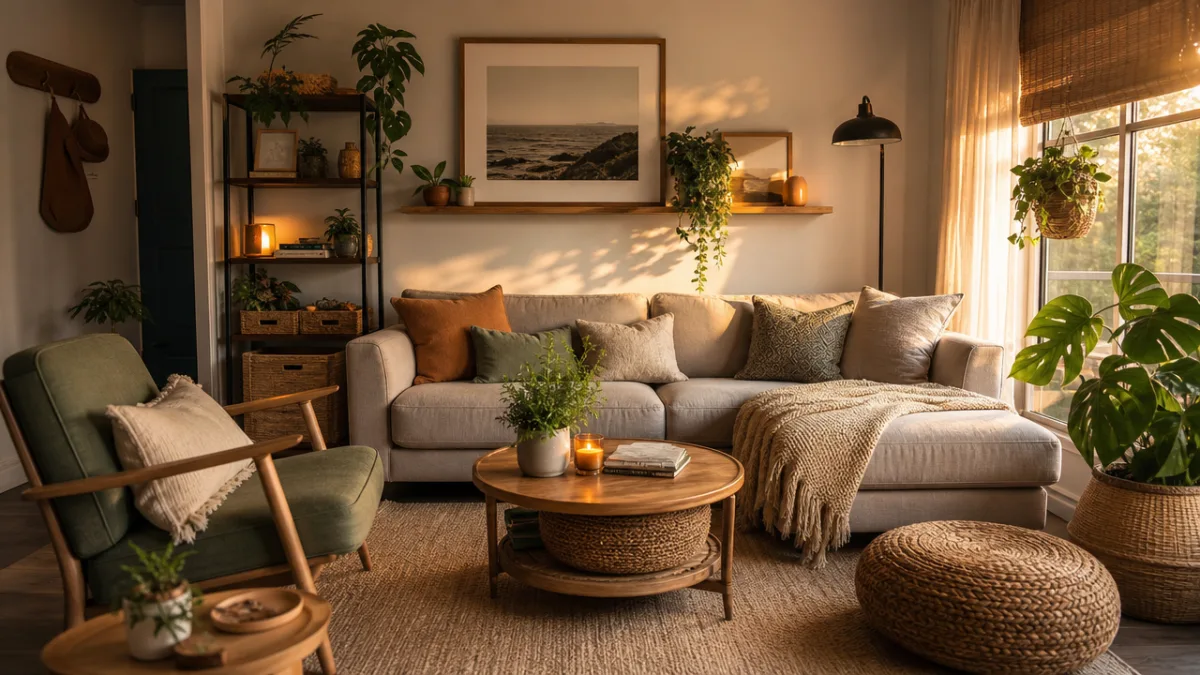
A truly successful home makeover is not defined by how much money was spent but by how thoughtfully the space was considered, curated, and arranged. The homeowners and designers who achieve the most beautiful transformations on modest budgets share a common characteristic: they are patient, observant, and willing to invest time and creativity in place of financial resources. They understand that great design is ultimately about intention — every object in a room should be there for a reason, and every decision should serve the comfort and happiness of the people who live there.
Starting small and building gradually is almost always more effective than attempting a wholesale transformation all at once. Choose one room — ideally the space where you spend the most time or the one that causes you the most daily frustration — and commit to improving it thoughtfully over several weeks or months. The satisfaction of completing one well-executed room transformation will motivate and inform every subsequent project, building your confidence, your eye for design, and your understanding of what your home truly needs to feel like the sanctuary you deserve.








What do you think?
It is nice to know your opinion. Leave a comment.