










How to Grow, Use and Care for Woodrush Grass (Luzula spp.)
Introduction to Woodrush Grass
Woodrush grass — botanically known as Luzula spp. — is one of those plants that most gardeners walk right past without a second glance. It belongs to the family Juncaceae, making it a close relative of true rushes (Juncus), but what sets it apart are its grass-like leaves, which are fringed or covered with soft, fine hairs. Those little hairs give the plant a silky, almost glowing quality, especially when morning light catches them or a breeze passes through. With more than 115 species spread across the temperate and boreal regions of the world, there’s a surprising amount of variety within the genus — different sizes, textures, and forms that suit all kinds of garden situations.
What really makes woodrush special, though, is where it actually wants to grow. Unlike most ornamental grasses that need full sun and good drainage, woodrush evolved as a woodland understory plant — which means it’s right at home in the shaded, damp corners that give other plants fits. Those tricky spots under dense tree canopies, north-facing borders, damp shaded paths — woodrush handles all of them. If you’ve ever struggled to find something that genuinely looks good in deep shade rather than just surviving there, woodrush might be the answer you’ve been looking for.
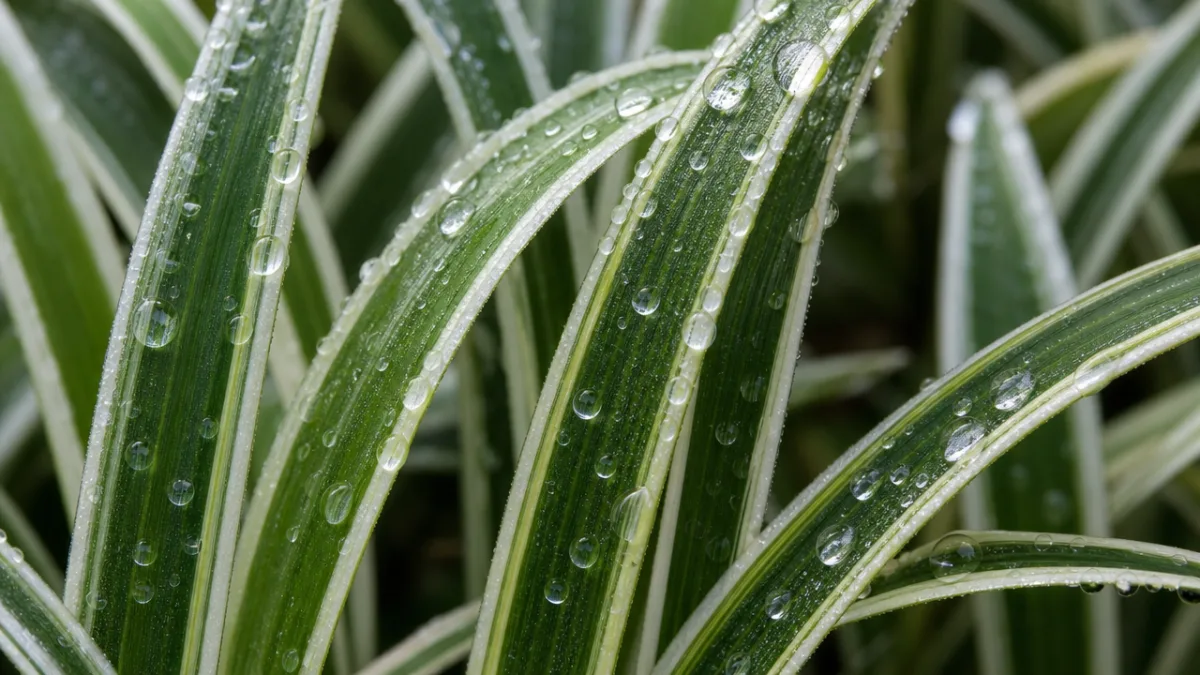
The name Luzula actually comes from the Italian word “lucciola,” meaning glowworm or firefly — a nod to the way morning dew catches on those fine leaf hairs and glints in low light. It’s a fittingly poetic origin for a plant that’s all about quiet, subtle charm. Woodrush won’t stop you in your tracks with bold flowers or dramatic foliage, but it rewards the kind of slow, attentive looking that the best garden plants invite. Once you start noticing it — in wild woodlands, along forest edges, in well-designed naturalistic gardens — you’ll find it everywhere.
Popular Species and Varieties
The most widely grown species is Luzula sylvatica, or greater woodrush. It’s a sturdy, clump-forming perennial with broad, strap-like leaves that can reach 30–40 cm long, spreading into dense mats that do a great job of smothering weeds. In spring it sends up tall, arching stems with clusters of small, brown, star-shaped flowers that add a light, airy touch to the whole plant. Luzula sylvatica is the go-to choice for woodland gardens at scale, ground cover under trees, and naturalistic landscapes where you want something that looks after itself and supports local ecology.
A few cultivars have been selected for extra ornamental interest. ‘Marginata’ (also sold as ‘Variegata’) is probably the best loved, with leaves edged in a narrow creamy-white margin that really brightens up a shaded corner and looks wonderful paired with dark-leaved ferns or glossy hostas. ‘Aurea’ is another standout — its golden-yellow foliage positively glows in winter and early spring, right when most other plants are still dormant or looking sorry for themselves. The warm color it brings to dark, damp woodland soil during the coldest months is genuinely hard to beat.
Beyond Luzula sylvatica, there are other species well worth seeking out. Luzula nivea, the snowy woodrush, produces white flower clusters so bright and crisp they almost look artificial against the green of the leaves. Luzula pilosa, the hairy woodrush, is a delicate, smaller species native to European woodlands where it naturally grows alongside bluebells and wood anemones. Luzula luzuloides has slender, fine-textured foliage and airy flowering stems that create a gauzy, meadow-like feel even in shaded spots. There’s a lot to explore within this genus, and digging into the full range of species and cultivars opens up a surprisingly varied world of texture and seasonal interest.
How to Grow Woodrush Grass
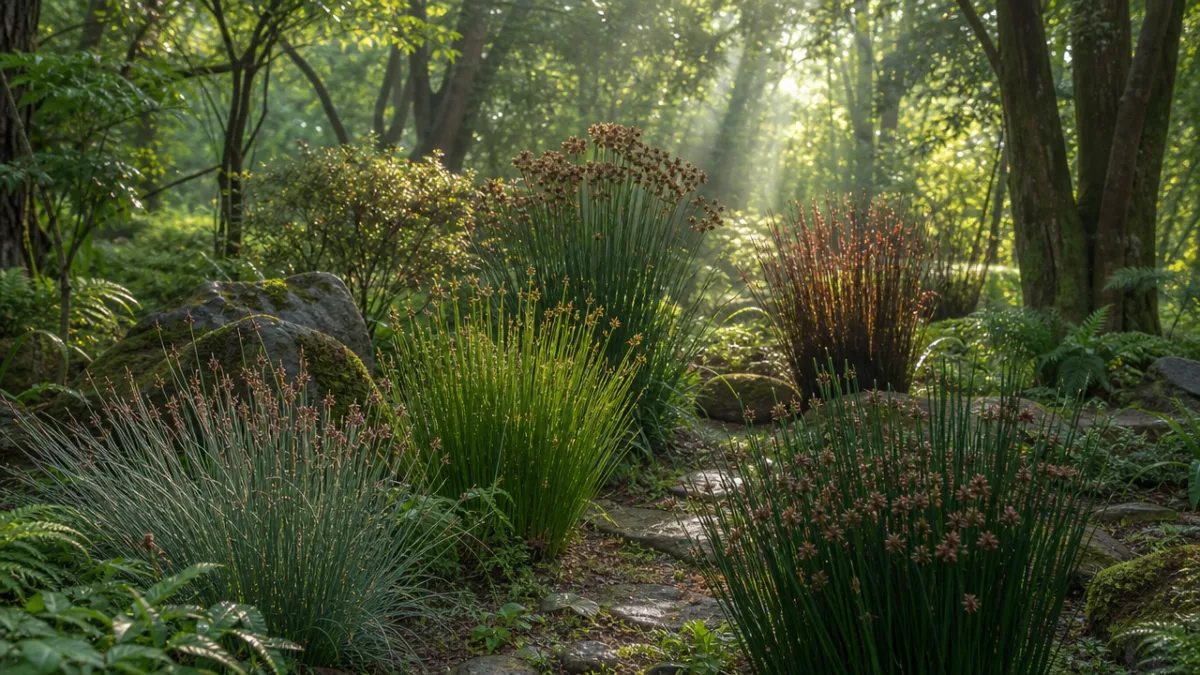
Getting woodrush off to a good start is mostly about picking the right spot. Because it evolved under forest canopies, it genuinely prefers partial to full shade and tends to struggle or fade with prolonged direct sun, especially in warmer climates. In cooler northern gardens, some species can handle a bit more sun if they’re kept well-watered, but the general rule of thumb is: shadier is better. Think under deciduous trees, along north-facing walls, in the shadow of a hedge, or anywhere that other plants have repeatedly given up on due to low light. These are exactly the conditions where woodrush doesn’t just survive — it actually thrives.
Soil-wise, woodrush isn’t especially demanding, though it does its best in moist, humus-rich soil that’s slightly acidic to neutral. It’s naturally at home in the kind of leafy, organic soil that builds up on woodland floors, so digging in plenty of composted leaf mold before planting will give young plants a great start. One thing worth knowing is that while woodrush appreciates moisture, established plants are surprisingly tolerant of dry shade — which makes them much more versatile than many shade-loving plants. Do avoid waterlogged or compacted soil, as that can lead to root rot, but otherwise this is a genuinely forgiving plant.
Spring or early autumn are the best times to plant, giving roots a chance to settle in before summer heat or winter cold arrives. Space larger types like Luzula sylvatica about 45–60 cm apart to let them spread into their characteristically dense, weed-smothering colonies. Water new plants in well and lay down a mulch of leaf mold or well-rotted compost around the base to hold in moisture and gradually improve the soil. Once established in a spot it likes, woodrush needs very little supplemental watering — a real bonus if you’re trying to keep the garden low-maintenance.
Caring for Woodrush Throughout the Year
Honestly, one of woodrush’s best qualities is how little it asks of you once it’s settled in. There’s no annual hard cutting back, no intensive feeding regime, no dividing every year like some ornamental grasses demand. The main thing to do each year is a light tidy-up in early spring — just remove any dead, damaged, or tatty-looking leaves before the new growth comes through. You can do this by hand or with a pair of shears, and the plant bounces back quickly once the fresh foliage starts unfurling.
Feeding is generally not needed and can actually backfire, pushing the plant into lush, soft growth that’s more attractive to pests. In very poor soils, a light top-dressing of leaf mold or a slow-release balanced fertilizer in early spring can help, but in most garden settings, fallen leaves decomposing naturally and normal soil processes provide all the nutrition woodrush needs. Mulching each year with composted leaf mold or bark chips is probably the most useful thing you can do — it holds moisture, slowly improves soil fertility, and benefits everything else growing nearby too.
When clumps get very large or start to look a bit tired in the middle, division is the answer. Do this in early spring or early autumn by lifting the whole clump with a sharp spade or garden fork, splitting it into smaller pieces — each with a decent root system and some healthy foliage — and replanting them promptly at the same depth. Water them in well and they’ll take off quickly. Division also gives you plenty of new plants to fill gaps, expand a planting scheme, or pass on to other gardeners. Most clumps are happy to go four to six years between divisions.
Pests and diseases are rarely worth worrying about with woodrush, which is a big part of its appeal. Slugs and snails might nibble on the soft young leaves of newly planted specimens, but once the plant is established it shrugs off the occasional bit of damage without issue. Fungal problems can occasionally pop up in very humid conditions, but good air circulation and not overwatering are usually all it takes to prevent them. Overall, woodrush has a well-earned reputation as a healthy, resilient plant that almost never needs intervention or any kind of chemical treatment.
Using Woodrush in Garden Design
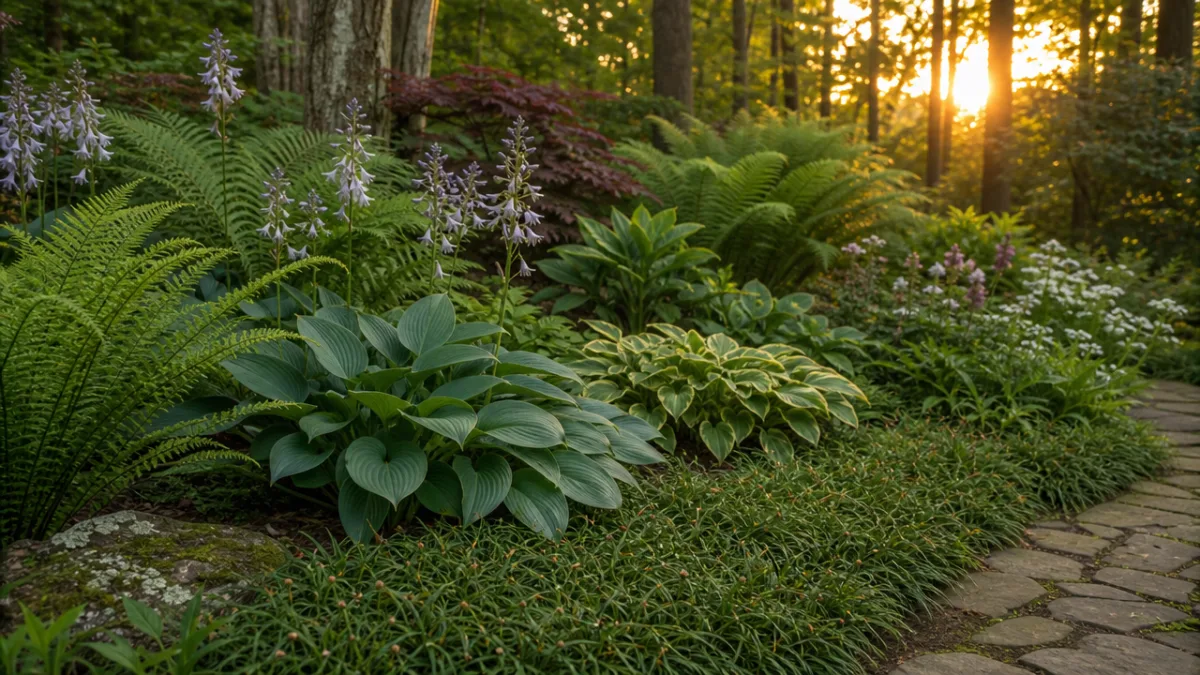
Woodrush is more design-versatile than it tends to get credit for, and landscape designers are increasingly catching on. Its most natural use is as ground cover in woodland gardens, where it can spread freely into a weed-suppressing carpet of fine-textured foliage that looks good year-round. Planted in generous drifts under trees, Luzula creates that layered, naturalistic quality that makes a garden feel genuinely connected to the landscape around it — more like a real forest understory than a tidily maintained patch of ornamentals.
In more structured settings, it works really well as an edging plant along shaded paths, where its softly arching leaves spill a little over hard surfaces and blur the line between paving and planting in a pleasing way. As a companion plant, woodrush pairs beautifully with bold-textured shade perennials — hostas, ferns, hellebores — where its fine-textured foliage plays against their larger leaves and adds interest to the whole scheme. The golden-leaved ‘Aurea’ is especially useful here during winter, when it provides warm color in borders that would otherwise have very little to offer visually.
There’s also a strong ecological case for woodrush in wildlife-focused gardens. The dense clumps offer shelter and nesting material for ground-dwelling insects, and the seeds of many species are a welcome food source for finches, sparrows, and other small birds during leaner months. In rain gardens or bioswales, moisture-tolerant woodrush species can help stabilize banks, filter runoff, and support aquatic invertebrate communities in ways that purely ornamental plants simply can’t match. Using woodrush in these contexts is a genuine step toward a garden that functions as habitat, not just a decorative space.
Propagation Methods for Woodrush
There are two main ways to propagate woodrush: dividing established clumps and growing from seed. For most home gardeners, division is the easier and more reliable route. It produces vigorous plants that are genetically identical to the parent, so you know exactly what you’re getting. Named cultivars like ‘Marginata’ and ‘Aurea’ must be propagated by division — grow them from seed and you’ll get variable results that won’t reliably match the qualities that make those selections worth growing. Division also gets you to a usable-sized plant much faster, with divided sections typically establishing well within a single growing season.
Growing from seed is a slower process but a rewarding one, especially if you want to raise straight species or enjoy the natural variation that seedlings can bring. Seed of many Luzula species is available from specialist nurseries and seed exchanges, and fresh seed collected from your own garden plants tends to germinate most reliably. Sow on the surface of a gritty, humus-rich compost in pots or trays, pressing the seed gently into contact with the soil without covering it — light is needed for germination. Place the containers in a cold frame or unheated greenhouse, keep the compost consistently moist, and be patient. Germination can be a bit erratic and takes several weeks.
Once seedlings are big enough to handle, prick them out into individual small pots and grow them on in a sheltered, shaded spot until they’re large enough to plant out. This usually takes a full growing season, with plants ready for their permanent positions by the following autumn or spring. Starting woodrush from seed is particularly useful when you need a lot of plants — for large-scale ground cover schemes or ambitious naturalistic plantings where buying enough plants would be expensive. It also offers something that buying plants never quite can: the satisfaction of following the full life cycle from the very beginning.
Culinary and Ethnobotanical Uses of Woodrush
Today woodrush is grown almost entirely as an ornamental, but it has a long and genuinely interesting ethnobotanical history. In some European folk traditions, the young, tender shoots and leaf bases of certain Luzula species were eaten as a spring vegetable — raw in salads or lightly cooked as a pot herb. The leaves were used as a flavoring in some regional cuisines as well, though these practices are largely historical now. If you’re curious about foraging, it’s worth noting that any use of wild plants should always come with a solid knowledge of the species involved and awareness of local regulations about wild plant collection.
Beyond the kitchen, woodrush had practical domestic uses too. In some rural European communities, the long, smooth leaves of larger species were woven into small baskets, mats, and simple household items, making use of the plant’s natural abundance in woodland areas and the pliability of its dried foliage. The fine leaf hairs were reportedly used in some regions to wick oil lamps — a use that’s apparently reflected in the plant’s common name in certain languages, where it translates roughly as “lamp rush” or “torch rush.” It’s a small but telling example of how pre-industrial communities found practical applications for whatever plants grew readily around them.
In contemporary herbal practice, woodrush doesn’t really feature, though some traditional herbalists have noted mild astringent properties in certain species. It’s not toxic to humans or domestic animals in normal garden quantities, which is a reassuring thing to know if you have children or pets around. Its real value today is ornamental and ecological — but knowing something of its cultural and historical background makes it a richer, more interesting plant to grow. It connects us to a long tradition of careful, respectful attention to the natural world, which is something worth holding onto.








What do you think?
It is nice to know your opinion. Leave a comment.